

Most pricing pages tell you what things cost. This one is about why.
After photographing more than a thousand couples, I’ve come to think that price is really a question about something else: why choose one photographer over another, especially when one of them is cheaper.
TL;DR
- A portfolio gets you interested. How comfortable you feel with the photographer, and how they handle a wedding running late, matter more on the day.
- Compare the quotes line by line: hours, video, film photography and travel. Two prices can look miles apart because they cover different things.
- Our six-hour photography rates include travel. You can also add a short highlight video, captured by the same person who takes your photos.

You start with the photos. You book for the person.
You see someone’s work on Instagram or Pinterest and you love the style. That’s a good place to start. It’s usually not the reason you book.
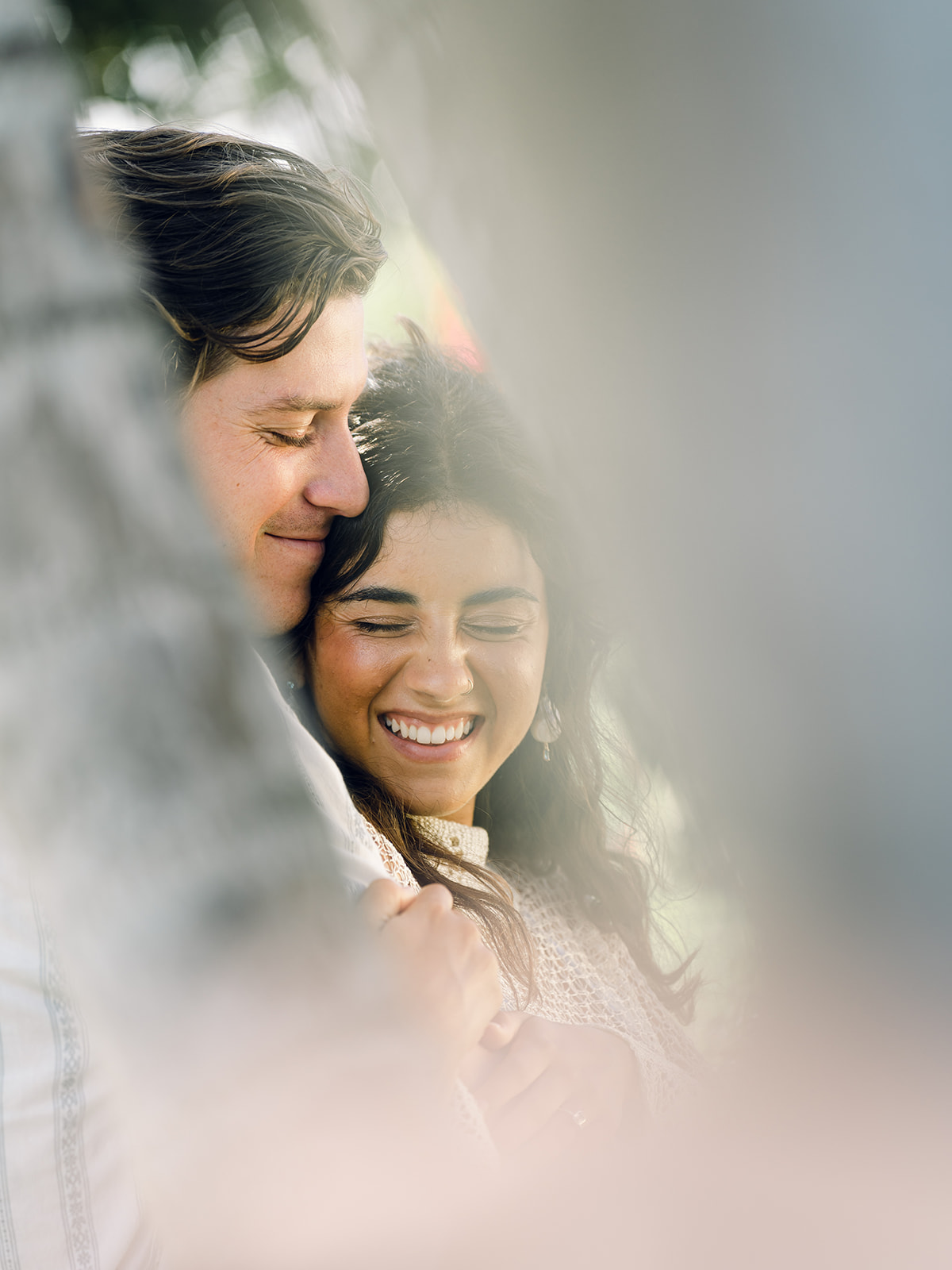
Here’s something most couples don’t realise until the day itself. The photographer is often the person the bride spends the most time with on the wedding day.
- Not the groom. You’re usually getting ready in separate places.
- Not the bridesmaids. They come and go.
- Not your parents.
- Not the planner, who is busy making the actual wedding happen.
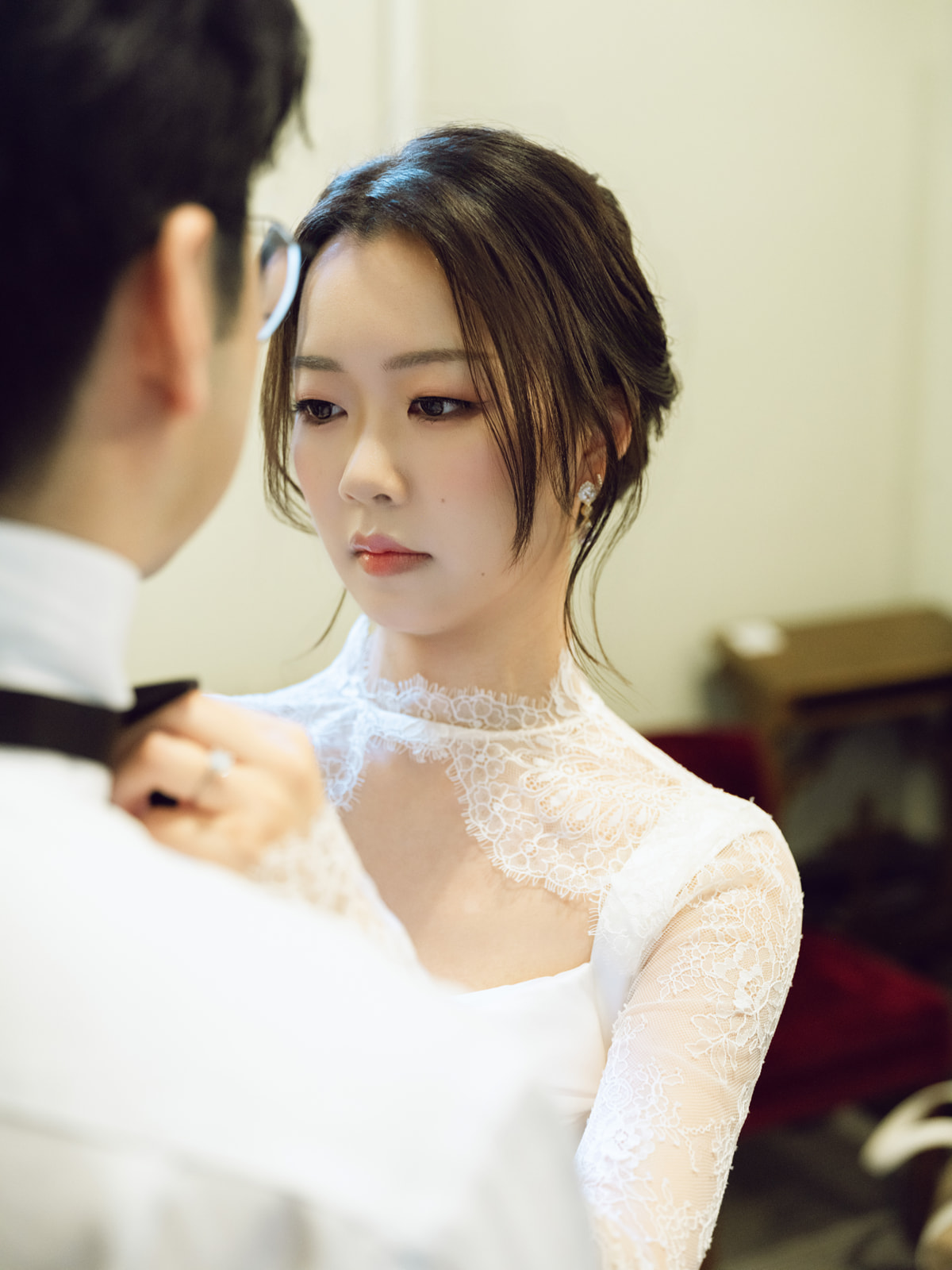
The photographer is the one person by your side from morning to night. If you’re not comfortable around them, the day is simply less fun. So getting along with your photographer matters more than almost anything else.
The second thing is how they are with everyone else: the other vendors, your wedding party, your family. And how observant they are. Seeing the light, seeing the moment before it happens, standing in the right place when it does. That kind of noticing isn’t a talent you’re born with. It comes from doing this many, many times.
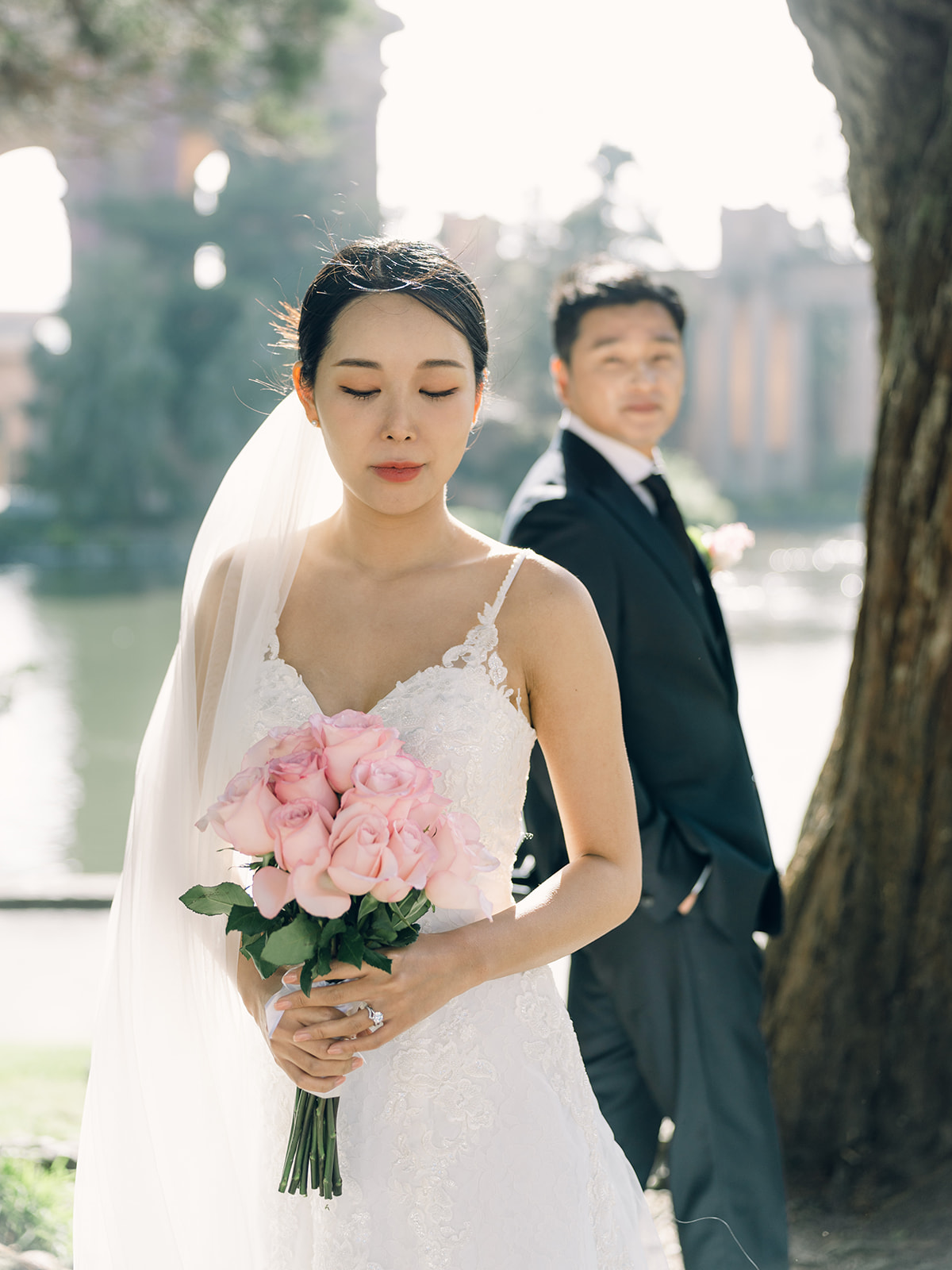
What experience is really for
Things go wrong at weddings. Not always, but often enough.
We’ve had days where vendors, or the couple themselves, arrived so late that two hours of portraits had to happen in thirty minutes. Nobody wants that. But it’s exactly when experience earns its fee: knowing what to keep, what to drop, and how to get it done calmly, so you never feel the panic.
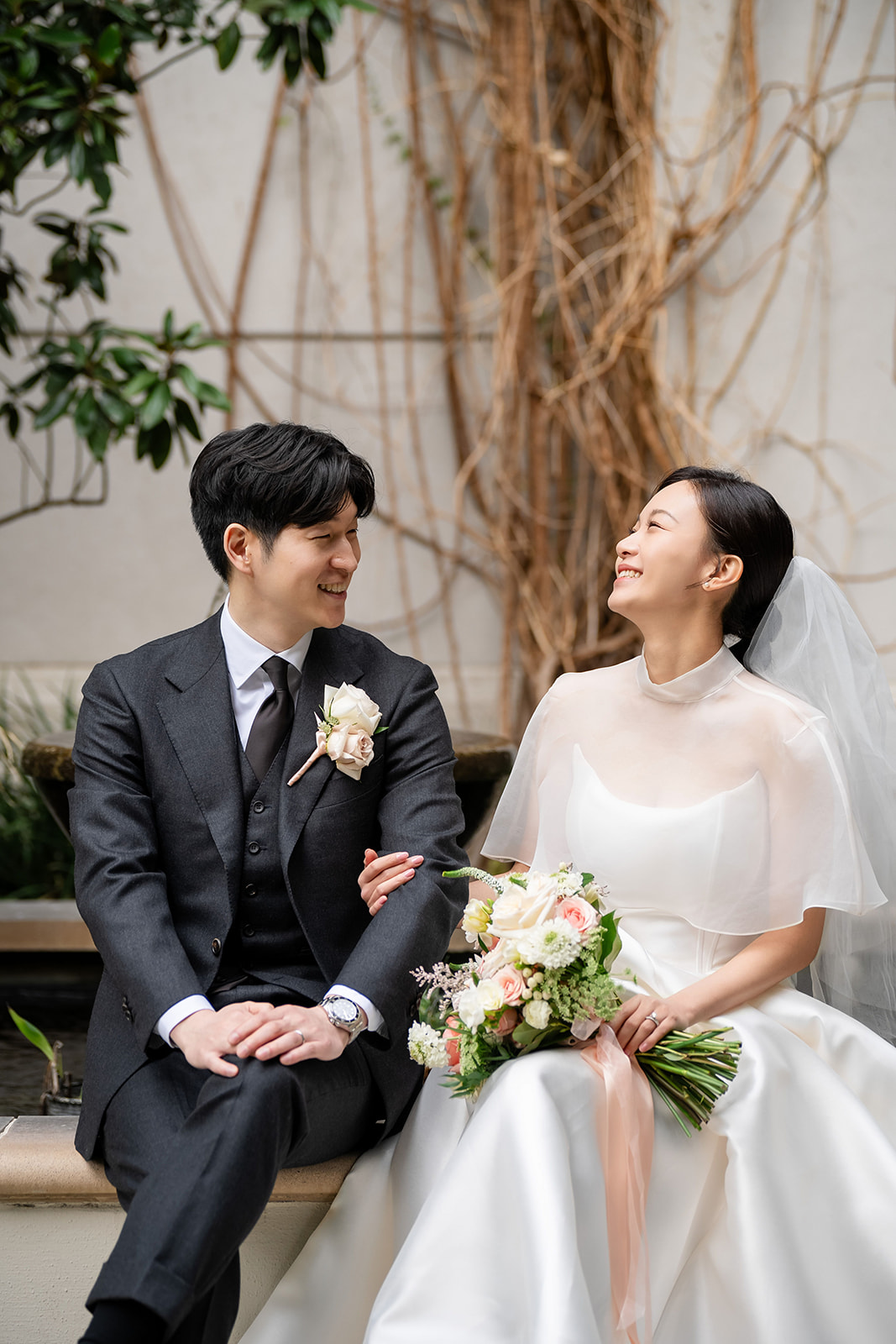
A lot of what you pay an experienced photographer for is problem-solving you’ll never notice.
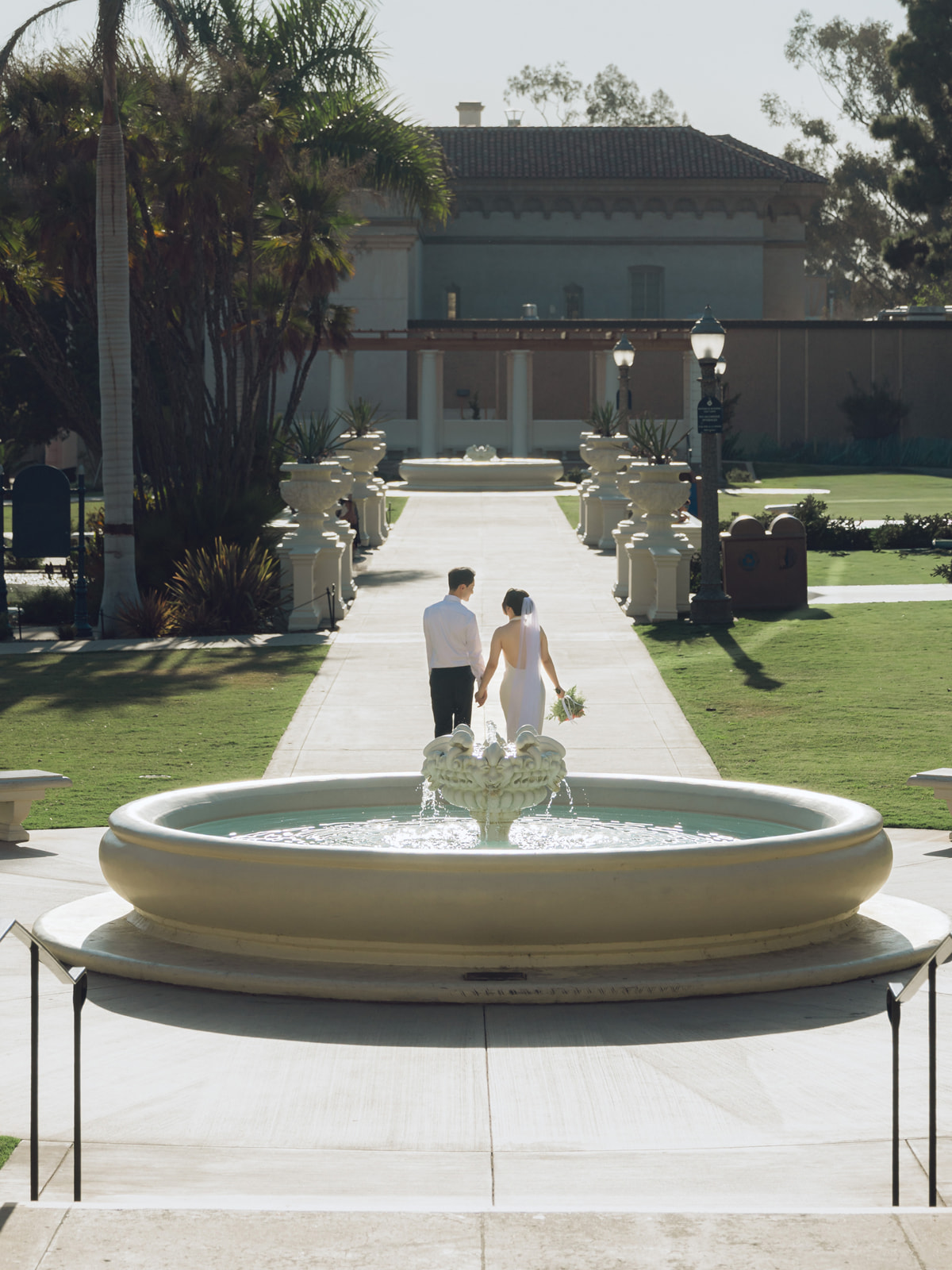
A slightly controversial opinion
Photographers have to make content. It’s how we show our work and find our next couples. I’d love to film more behind-the-scenes than I do.
But it should never come before the wedding. If I’m busy with a couple, or solving something for the wedding party, the content simply doesn’t get made. The wedding comes first.
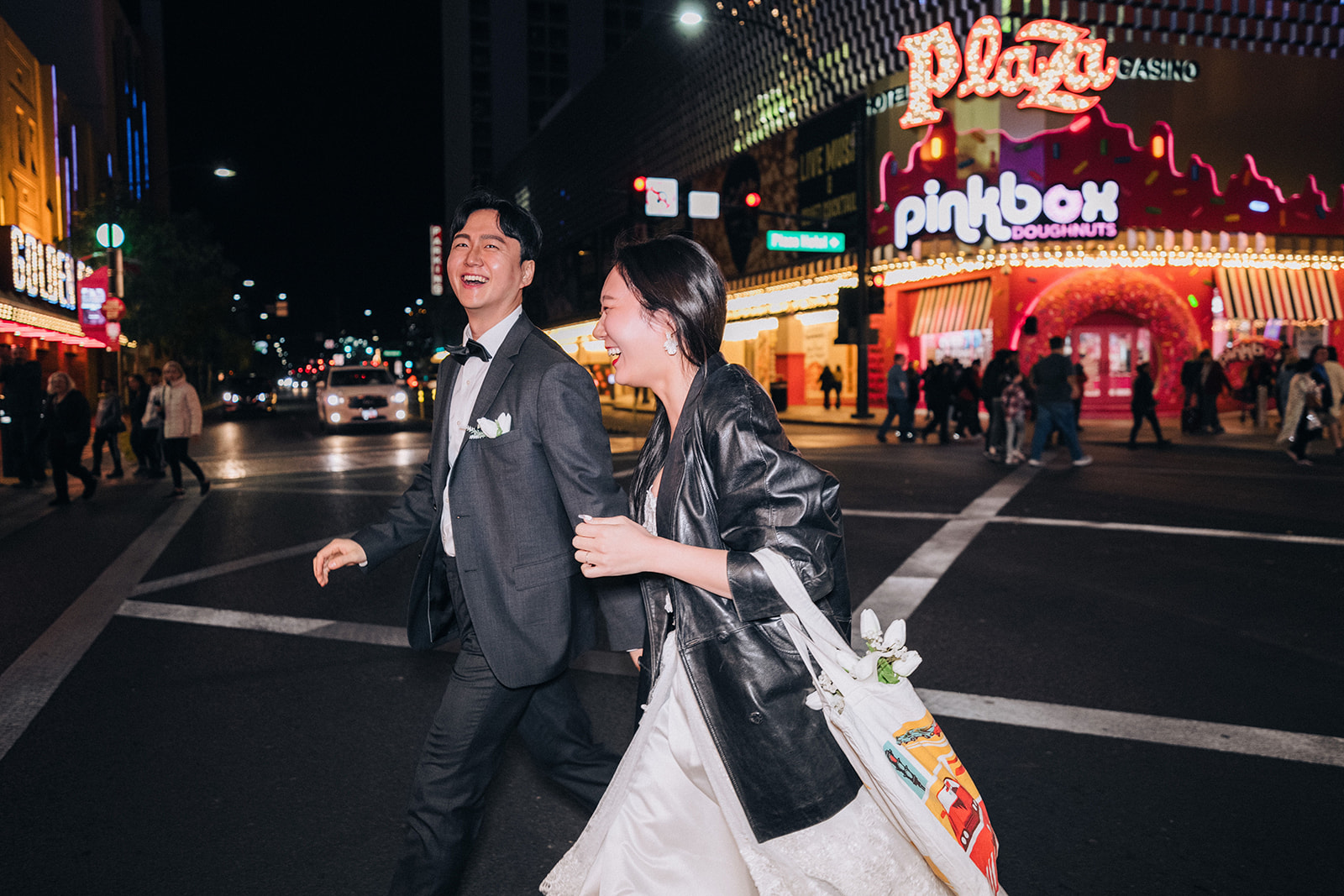
Where I see it go the other way is usually with newer photographers who are working hard to get their business off the ground. They’re filming for their own feed while something is happening around them that they haven’t noticed. With experience, you learn where the time is. You can try the fun, trendy shots, which are good for the couple too, without losing track of the day.
So what does the price tell you?
Honestly, price is one of the few signals couples have for telling a less experienced photographer from a more experienced one.
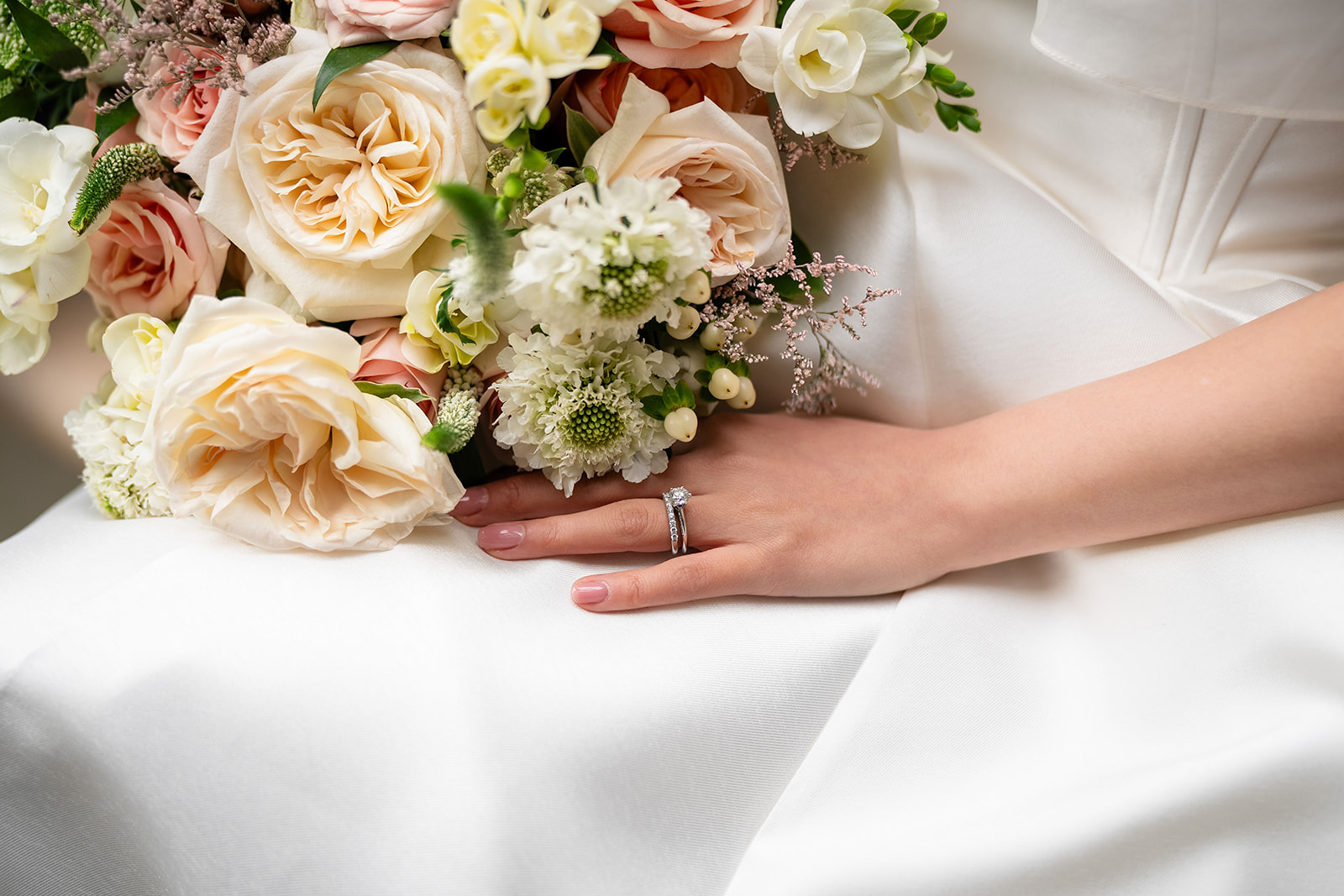
It depends on the region, of course. A photographer in a more affordable area doesn’t need to charge what one in California does. But in California, in my experience, the line sits at around $4,000. For roughly five hours of photography only, that’s a sensible minimum to look for.
It doesn’t scale in a straight line. Ten hours won’t cost double; it’s more likely to land around $6,000 to $6,500. Adding video from a separate team can add anywhere from $2,000 to $6,000. Film photography, another $2,000 to $3,000. This is why two quotes can look so far apart: they’re often not for the same thing.
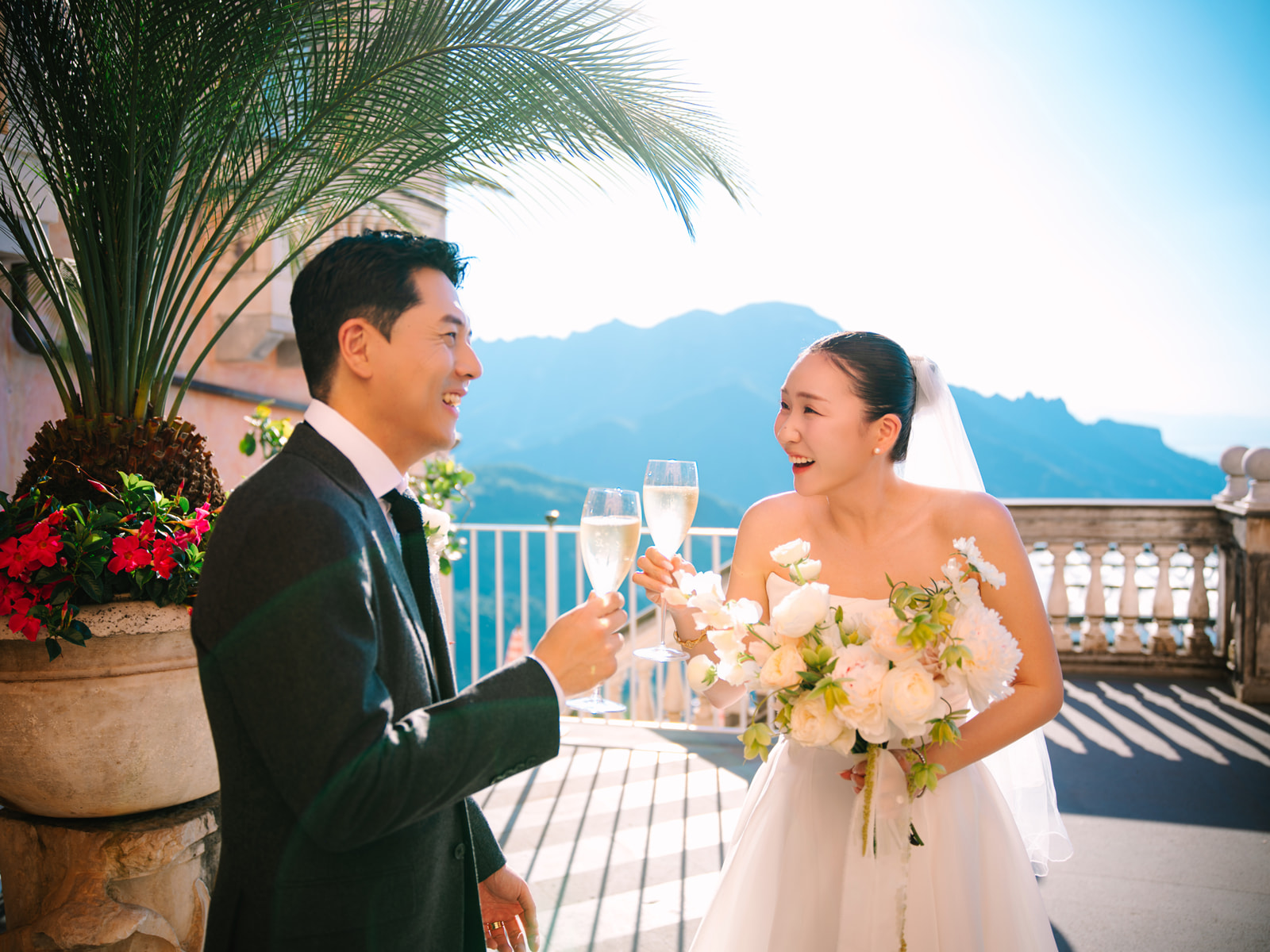
What we charge, and why it’s flat
- California, Nevada, Arizona, Washington: from $5,500
- The rest of the US, Canada and Mexico: from $6,500
- International: from $7,500
Travel is included in every one of those. You don’t pay for my flights, my hotel, my rental car, travel insurance or my meals on the day. A vendor meal is lovely if you can offer one, but it’s not a must.
I started doing this after my first few destination weddings. A couple would say, “We want to get married in Iceland,” and we’d start planning. Then the bride’s mum would decide she’d like to come, and she’d rather not be somewhere that cold. So Iceland becomes Greece.
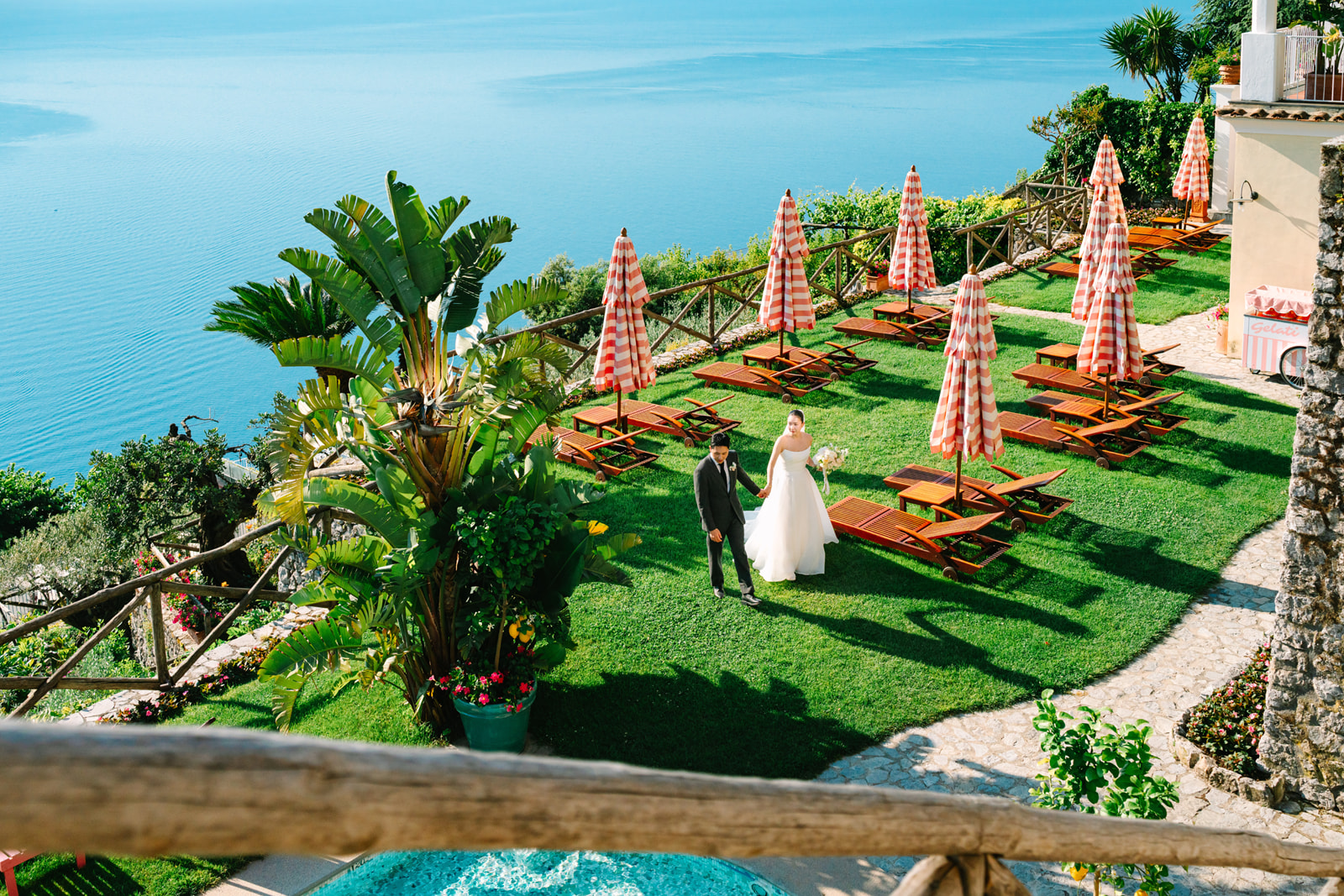
A wedding is between two people. It also includes everyone they love, and plans change because of it.
With a flat rate, nothing changes on my side. Greece is nearly twice as far from New York as Iceland is, yet Iceland is one of the most expensive places in Europe to stay. You don’t need to know any of that. You don’t have to ask what my flight costs, or which hotel I’ve booked. I take care of all of it.
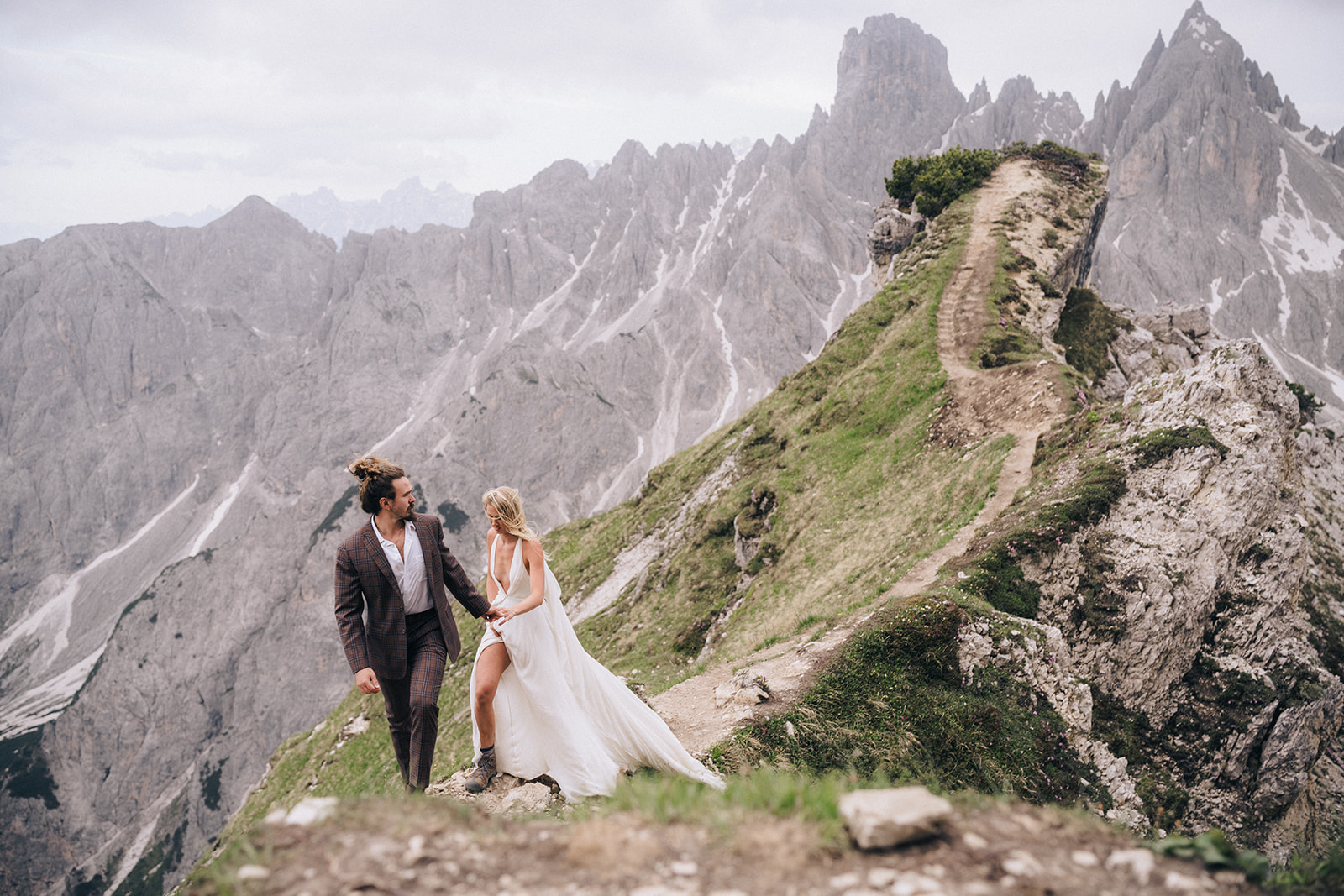
And I don’t cut corners to keep that money. I think of myself a bit like an athlete before a match: I need to sleep well and look after myself to be at my best for your wedding. A cheap hotel where I sleep badly, or where my equipment isn’t safe, isn’t a saving. Some trips cost me more than the difference covers. I’m fine with that. Couples find it so much easier to decide, and that’s worth more.
Why photo and video from one person
When we say “hybrid”, we mean digital photos and a highlight video, captured by the same person. (Some photographers use the word for digital plus film photography. That’s not what we mean.)
We used to make full documentary-style videos, eight to twelve minutes long. Couples loved them, and watched them about twice. Eight minutes doesn’t sound long, but it’s a commitment. Show it to a friend and they’re interested for the first minute, then politely waiting for it to end.
A highlight video is two to four minutes. That’s a length you keep on your phone. You’re having coffee with an old friend, you share an earphone, and it’s over before anyone looks away. People watch it again and again. As a storyteller, I love a ten-minute piece. But a story nobody watches isn’t doing its job.
There are two more reasons.
Fewer people, one look. A separate photo team and video team means a lot of people, often in each other’s shots. Most videographers we’ve worked with are great collaborators. Not all. And even when it goes smoothly, two teams see the same wedding differently, so the photos and the video can feel like two different days. When one person shoots both on the same camera, at the same focal length, and edits them together, they match. It feels like your photos started moving.
It costs far less. A separate video team often runs around $5,000. Adding the highlight video with us is a flat $1,800.
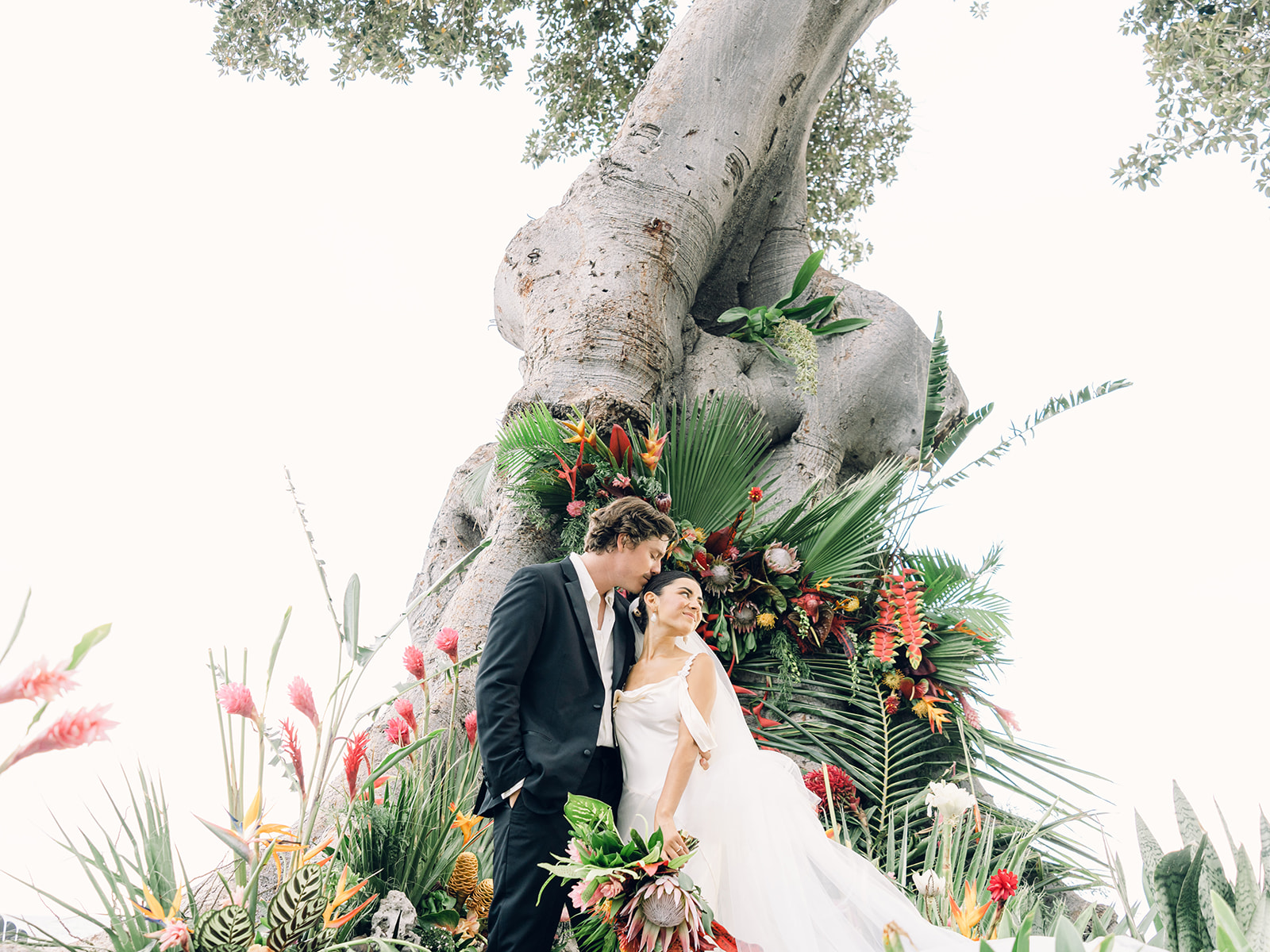
What all of this is for
Every one of these choices is trying to do the same thing: take stress away from you.
You’d be surprised how many couples aren’t really present at their own wedding. When you are, when you’re actually in it and having fun, you remember it. Then you look at the photos and the video and it comes back: the joy, the warmth, the whole day. That’s what we’re working for.
Frequently asked questions
What does a higher price actually get me?
Price can give you a clue about experience, but it’s not a guarantee. Ask to see a full wedding gallery, not just the highlights. And ask what they’d do if the day ran late and two hours of portraits became thirty minutes.
How do I compare two quotes fairly?
Put the hours, deliverables and travel charges side by side. Check whether each quote includes digital photos, film photography or video, and ask what costs extra.
Is travel included?
Yes. Travel is included in our six-hour photography rates. The starting price depends on the region, but flights, a hotel and a rental car aren’t separate line items.
What is hybrid coverage, and does it replace a separate videographer?
For us, hybrid means one photographer captures your digital photos and a two- to four-minute highlight film. If what you really want is a recording of the entire ceremony or every toast, ask about a dedicated video team.
Still comparing a few quotes?
Take a look at my pricing, or get in touch and tell me where you’re getting married and what parts of the day matter most to you. I can help you figure out how much coverage makes sense.


