

Our wedding photography pricing starts with the kind of experience we want you to have. Nine years ago, I started this business with a camera and a lot of hope. A few years in, the pandemic hit, and like so many small businesses, we felt it hard. But one thing I’m quietly proud of is that through all of it, we kept going, photographing more than 100 sessions a year and, by now, more than 1,200 couples.
People sometimes ask how we arrived at our pricing. Our weddings average around $10,000, and destination weddings often go beyond $20,000. Those are typical booking figures, not starting package prices. That’s not a small number, and I never want to pretend it is.
So instead of a list of what’s “included,” I want to share what actually goes through my mind when we set our prices. Five things, mostly.
At a glance: Our pricing reflects the time we spend getting to know you, the craft behind each photograph, thoughtful preparation, experience in unfamiliar places, and a team that shares those values.
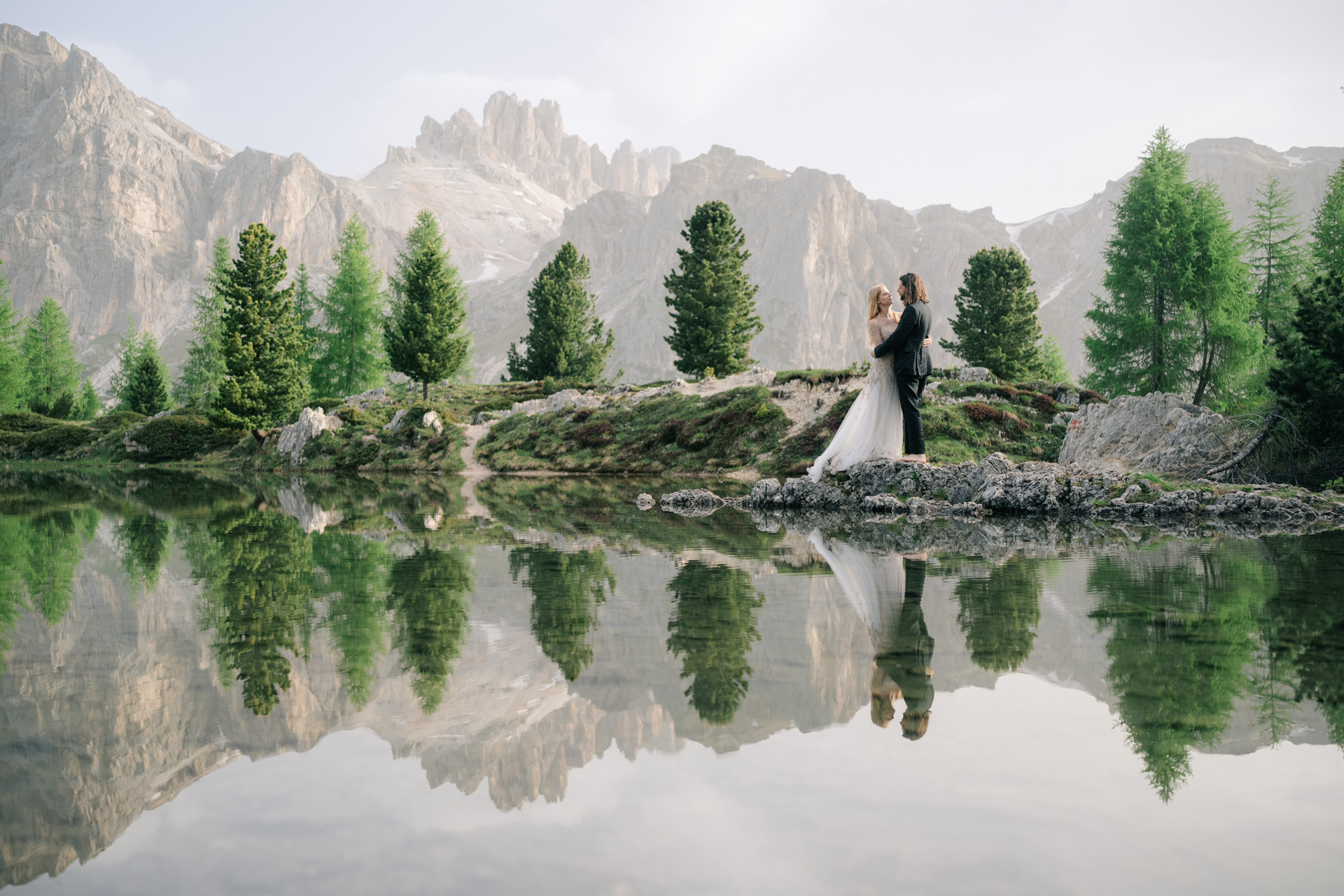
1. We’re in the business of emotion
Every couple brings a different energy to their day.
Some couples have fought hard to get to this moment, and they cry during their session. If I believed wedding photos always had to be bright and smiley, I’d say “don’t cry, let’s get a happy one.” But would that really be a good session?
I’d much rather meet you where you are. If you’re calm, we move quietly. If you love to joke around, we get loud. That’s what makes the experience feel like yours.
But matching someone’s energy the moment you meet them is hard. So we start long before the shoot. After you book, we ask how you met through a questionnaire. Then we talk: how you speak to each other, what you love, what feelings you want in your photos, what you’ll wear. Every wedding includes a video call, and for sessions it’s always an option. By the time we meet in person, it rarely feels like we’re meeting for the first time.
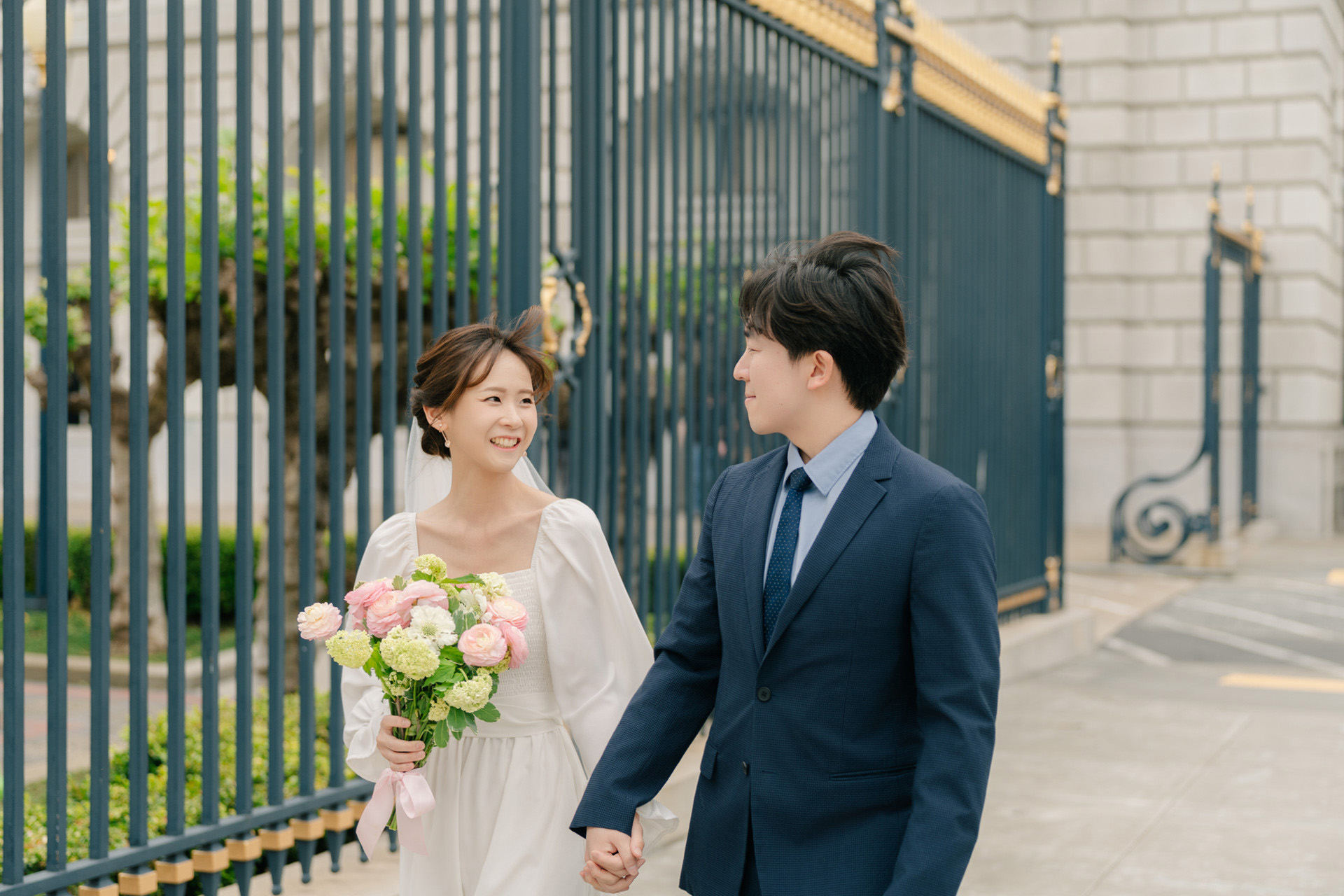
Photos are the closest thing we have to a time machine
In January 2025, fires swept through Los Angeles. In interviews with families who lost their homes, photographs and albums were among the belongings people managed to save.
That stayed with me. We might not open our albums on an ordinary day, but the people and memories inside them are irreplaceable.
A photo is just paper. But when you look at it, the feeling, the smell, the emotion of that day comes back. Like stepping into a time machine.
I don’t think there are many things in life more important than that. That responsibility shapes how we work, and how we price it. It’s something we take to heart, and something we pour ourselves into.
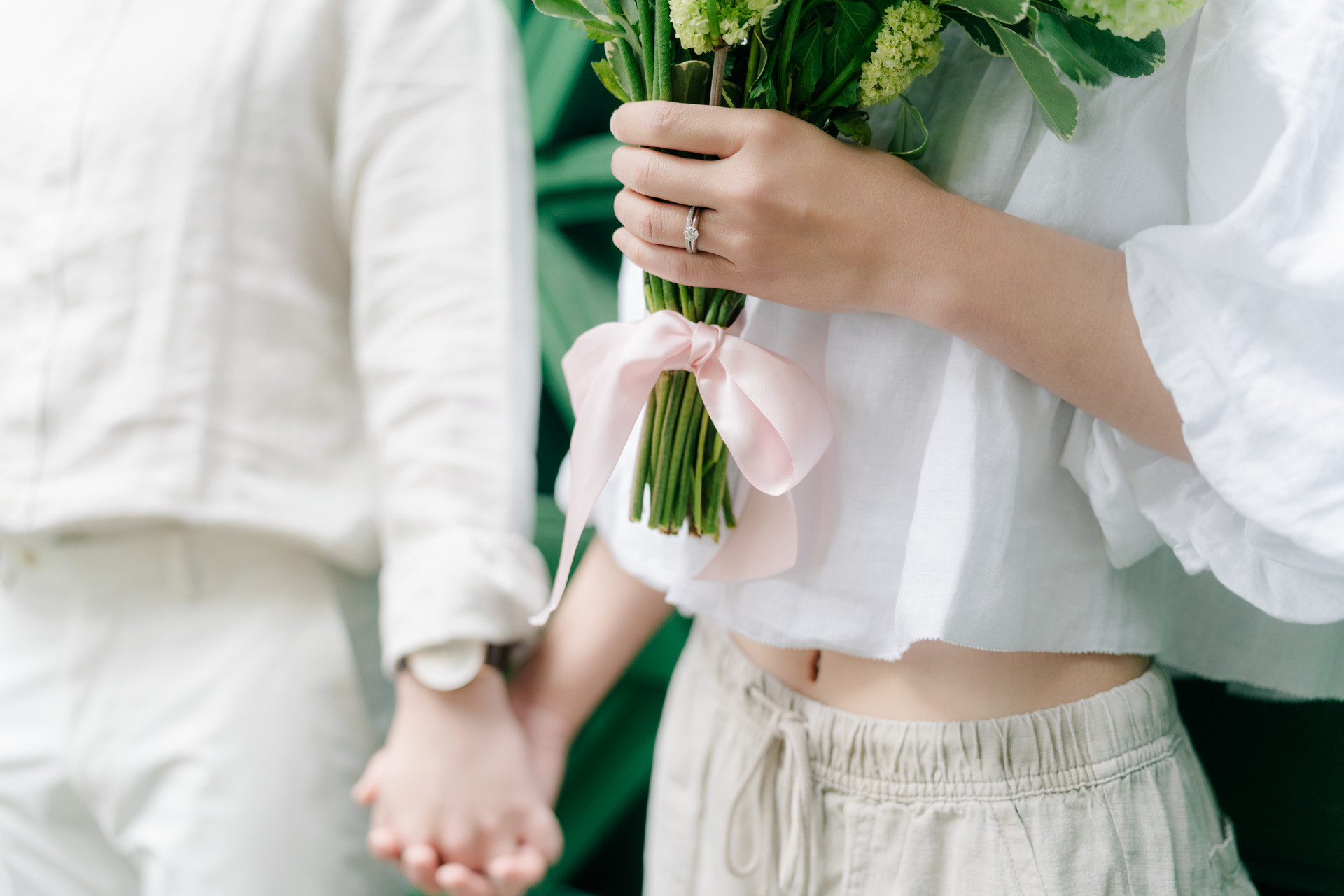
2. Craft has to carry the story
To capture emotion and energy, you need real skill behind the camera.
Knowing composition isn’t enough. You need to know what a composition feels like, and which one fits a particular couple. The direction you walk changes the energy of a photo. Who leads changes the story. Who stands in front changes the whole mood.
None of those choices are made just because something looks pretty. Every one is made to tell your story, using the light that’s there, and sometimes adding our own.
I think about it in three layers:
- One dimension: photos taken because something is pretty
- Two dimensions: photos created through directing
- Three dimensions: reading and shaping every element of a moment to tell a story
That third layer is where we try to live. And we’ve been grateful to see that effort recognized, with a WPPI Icon Award and three awards at WPE in Europe.
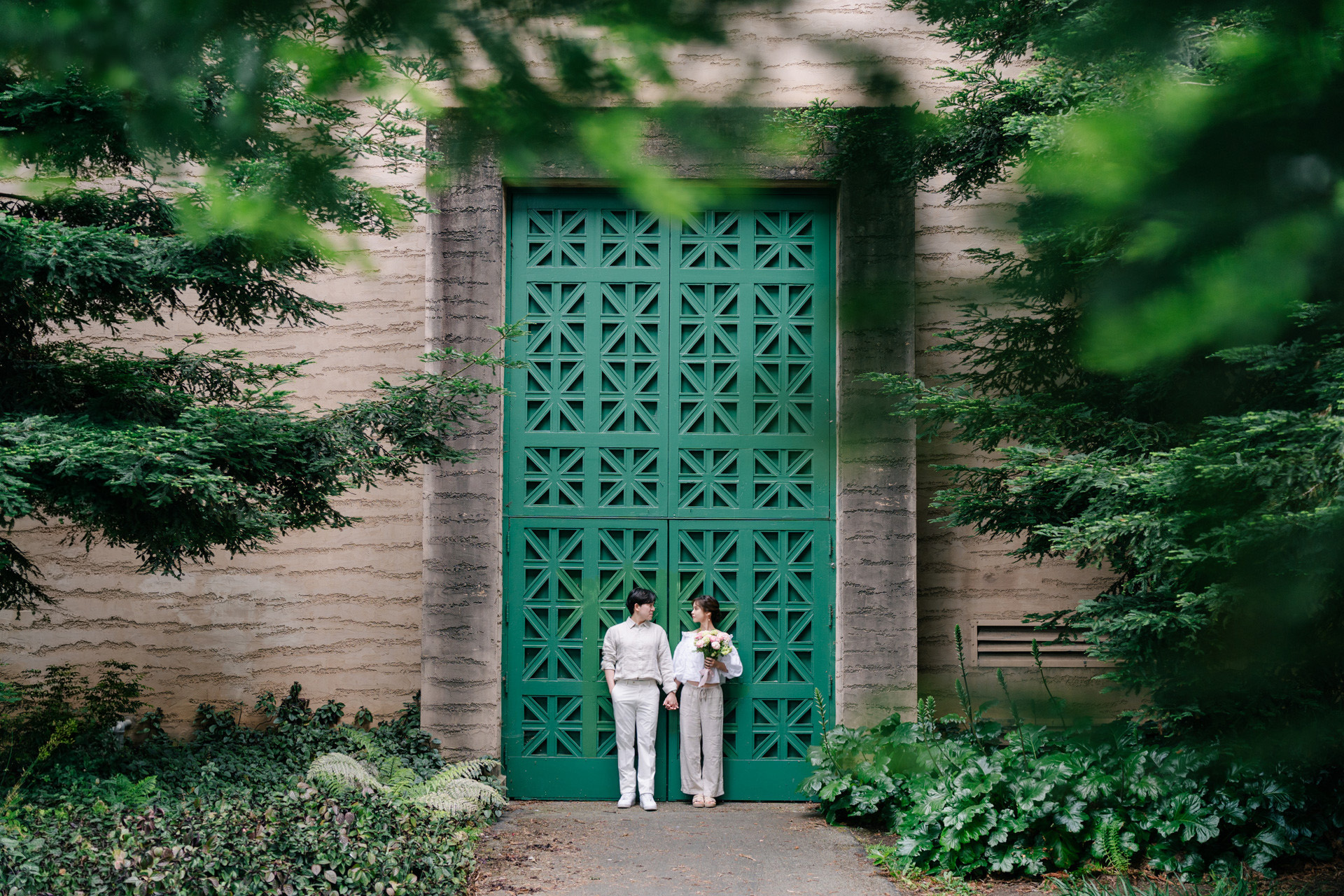
3. Where I come from shapes how I connect
I was raised by Korean parents, grew up in England from my teens until I was twenty, guided by my English grandma and Irish granddad, and now I call the U.S. home.
Living in England and America taught me two very different ways of connecting with people.
In my experience of living in America, conversation often comes easily. You can chat with a stranger in line at the grocery store. But turning that into a deep friendship can take a long time.
The connections I made in England tended to grow differently. People don’t usually open up right away. But you keep seeing each other, a little conversation here and there, and one day you realize you’ve become real friends. To this day, many of my closest friends are people I met in England.
I think great photography needs both. The easy warmth that makes the first hello comfortable, and the kind of real connection that goes deeper than small talk. That’s why we listen so carefully before your day. It’s also what I look for when thinking about how to choose a wedding photographer. I’d like us to already be a little bit like friends by the time we meet.

4. Some places don’t come with a guidebook
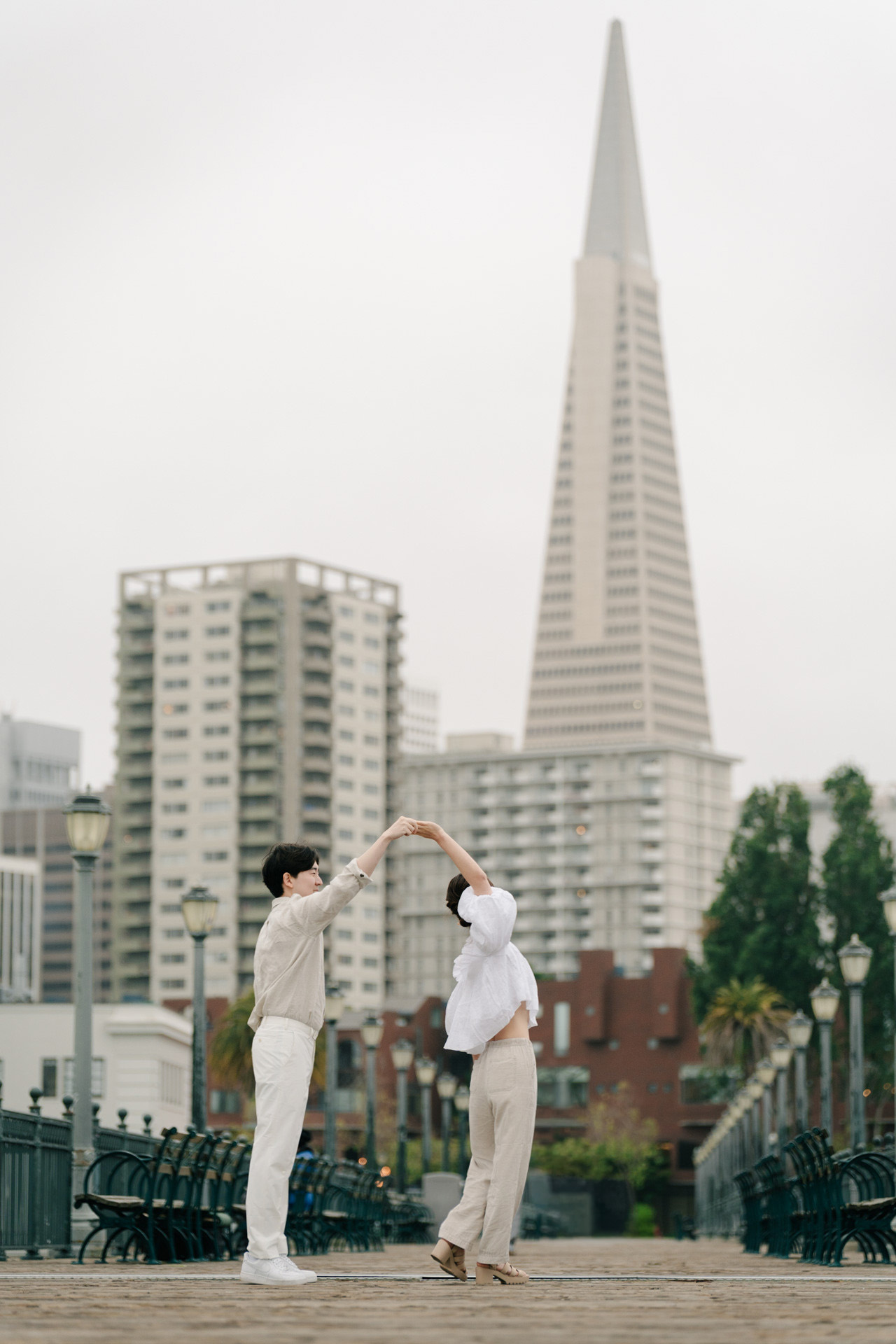
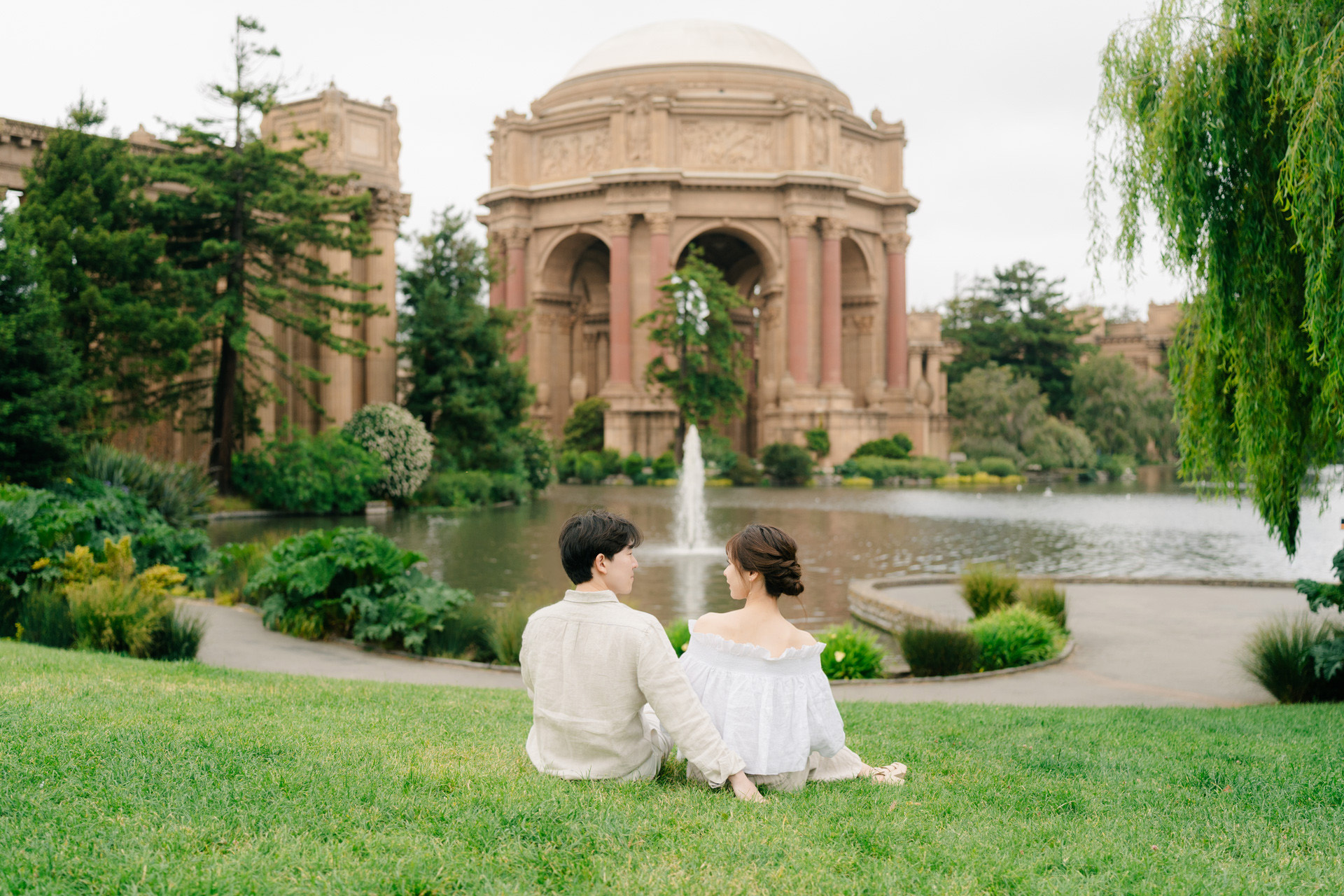
City landmarks and popular parks have endless information online. You can look up the best spots and the quietest hours and plan around them.
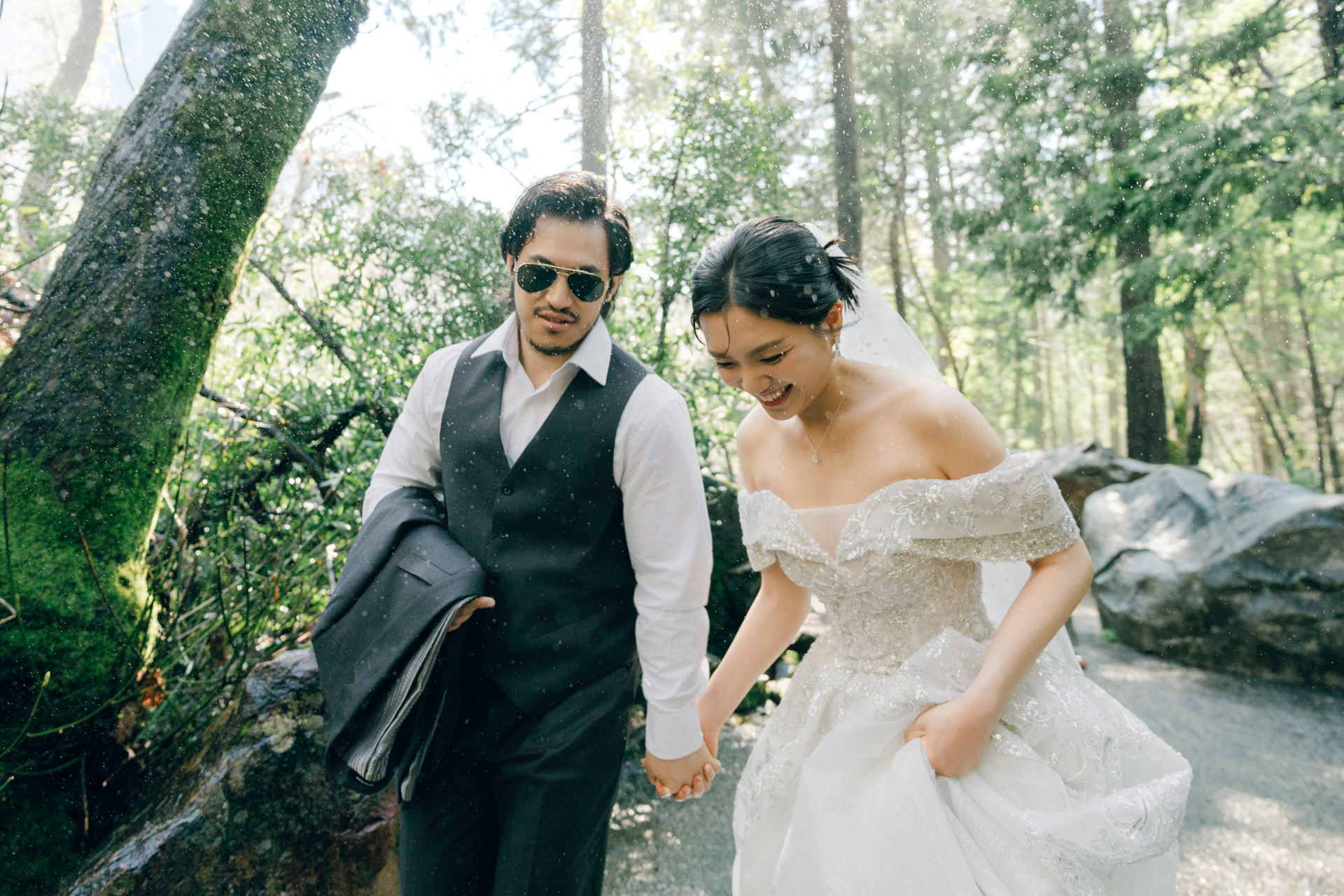
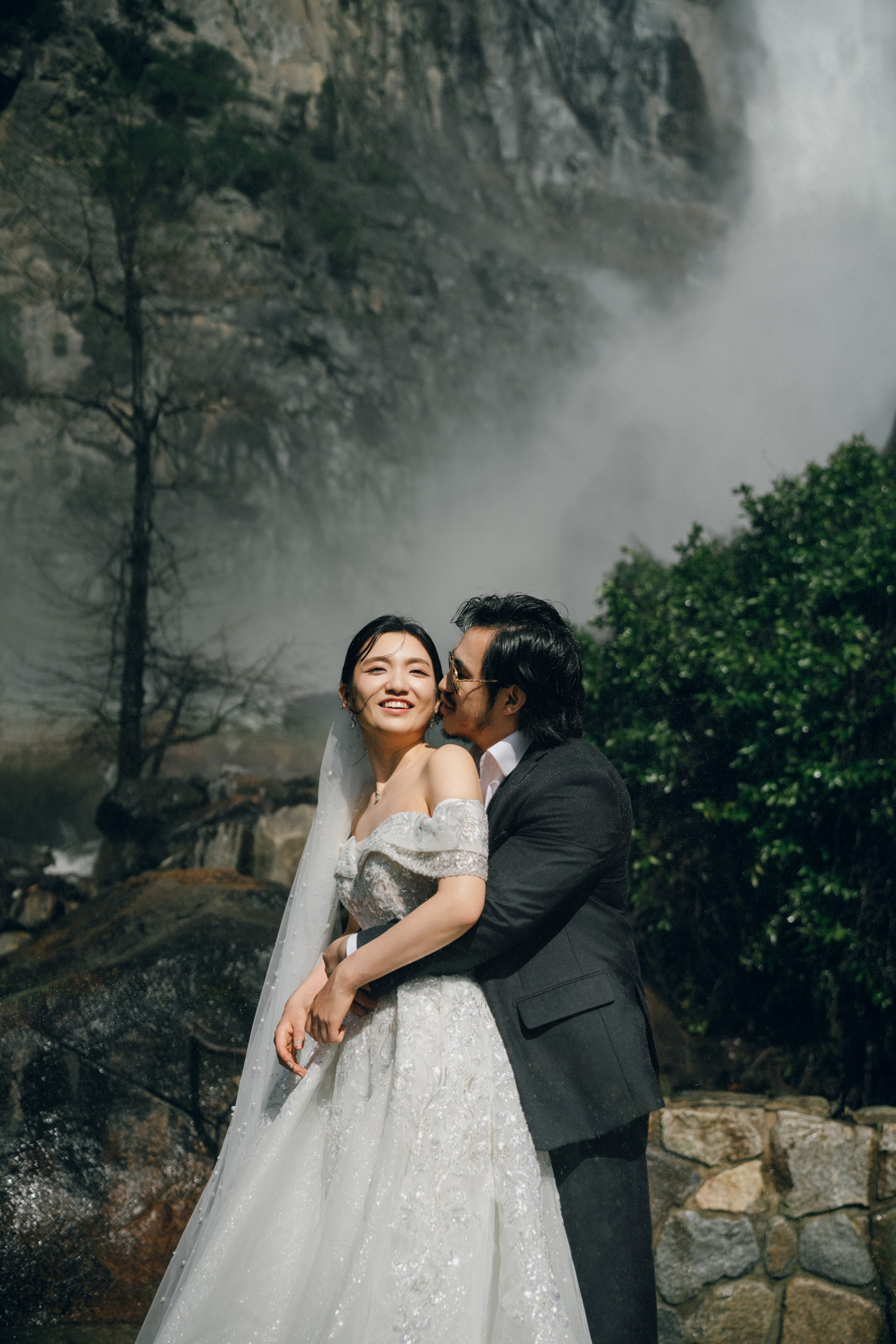
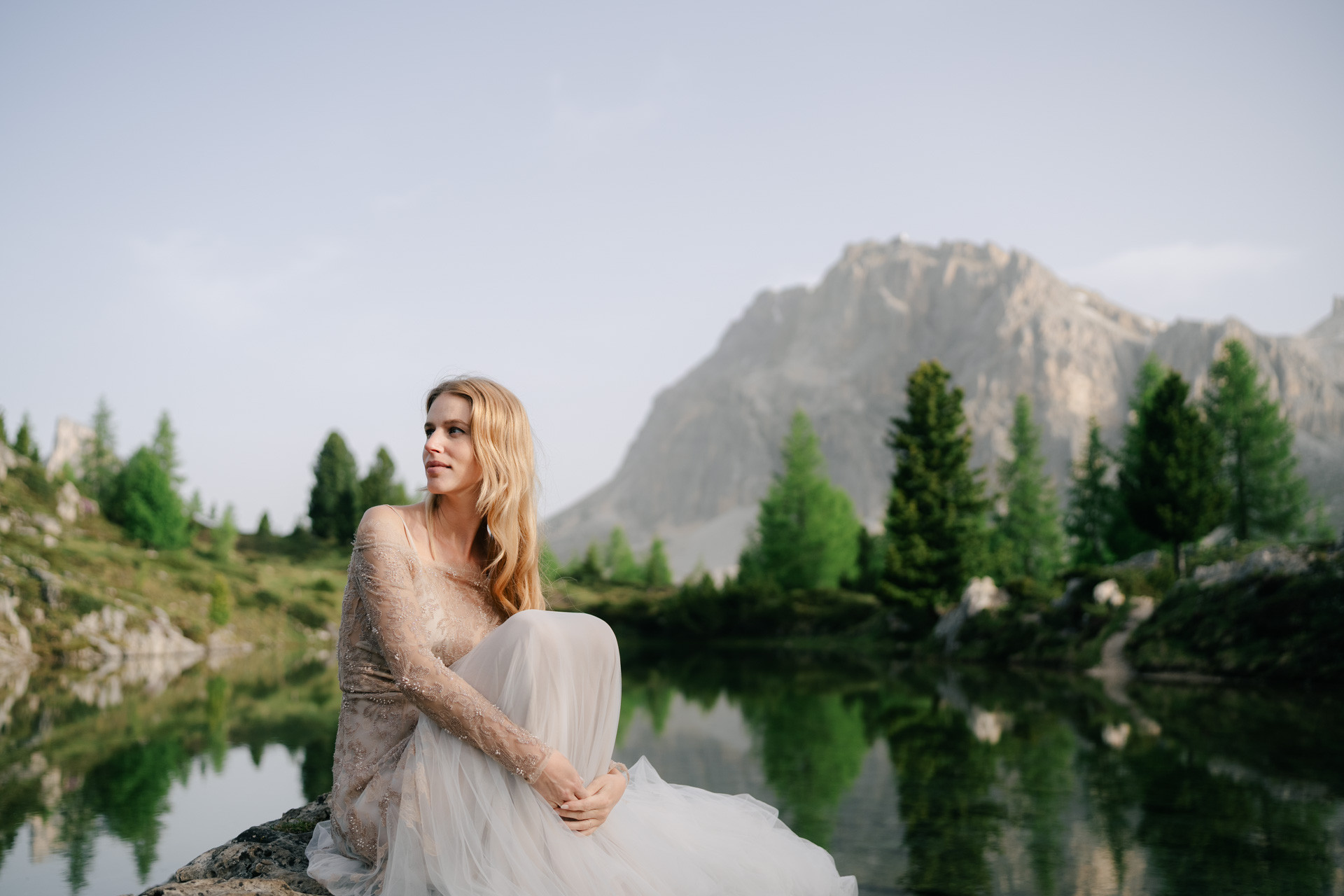
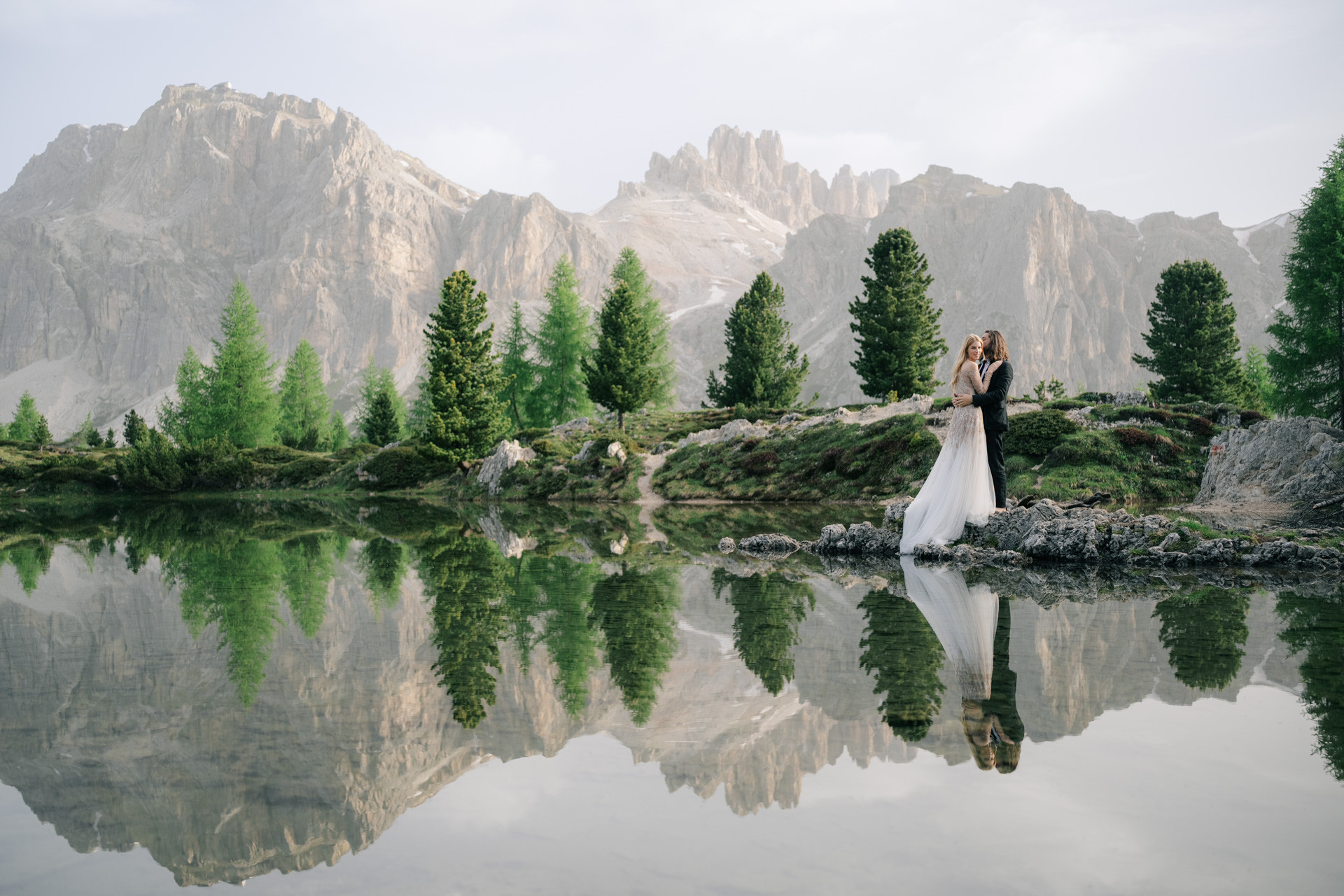
But we also photograph couples planning adventure elopements in places like Yosemite and the Dolomites in Italy. Scouting ahead isn’t always possible there, and even if it is, the day itself can look completely different: weather, wind, light, trail conditions. In places like that, things not going to plan is the plan.
What matters then isn’t information. It’s experience: staying calm when the unexpected happens, and knowing how to tell your story with whatever light and space the moment gives us. Nine years of showing up in all kinds of places is what makes that possible.
And whatever can be prepared, we prepare. After you book, we send you your own Time Capsule, a personal guide with every date that matters between now and your gallery, where to meet, and when the light will be at its best.
Whether it’s a city street or a mountaintop, all you need to do is be present with each other. We’ll take care of the rest.
5. A team that believes in the same things
This started as just me. Today, we’re a team of five photographers and an editor, speaking seven languages between us and working across five cities in four states.
We’re all different people, with our own personalities and our own eye. But like the couples who find us, everyone on the team joined because they connected with the way we work: listening first, never forcing emotion, and treating each day as something precious. Because we care about the same things, we make better work together.
We’ve also been capturing photo and video as one team for a long time. The people behind both cameras know the same story and work toward the same vision, so you don’t have to coordinate separate vendors, and your photos and film feel like one continuous story.
The photos you’ll reach for in ten years
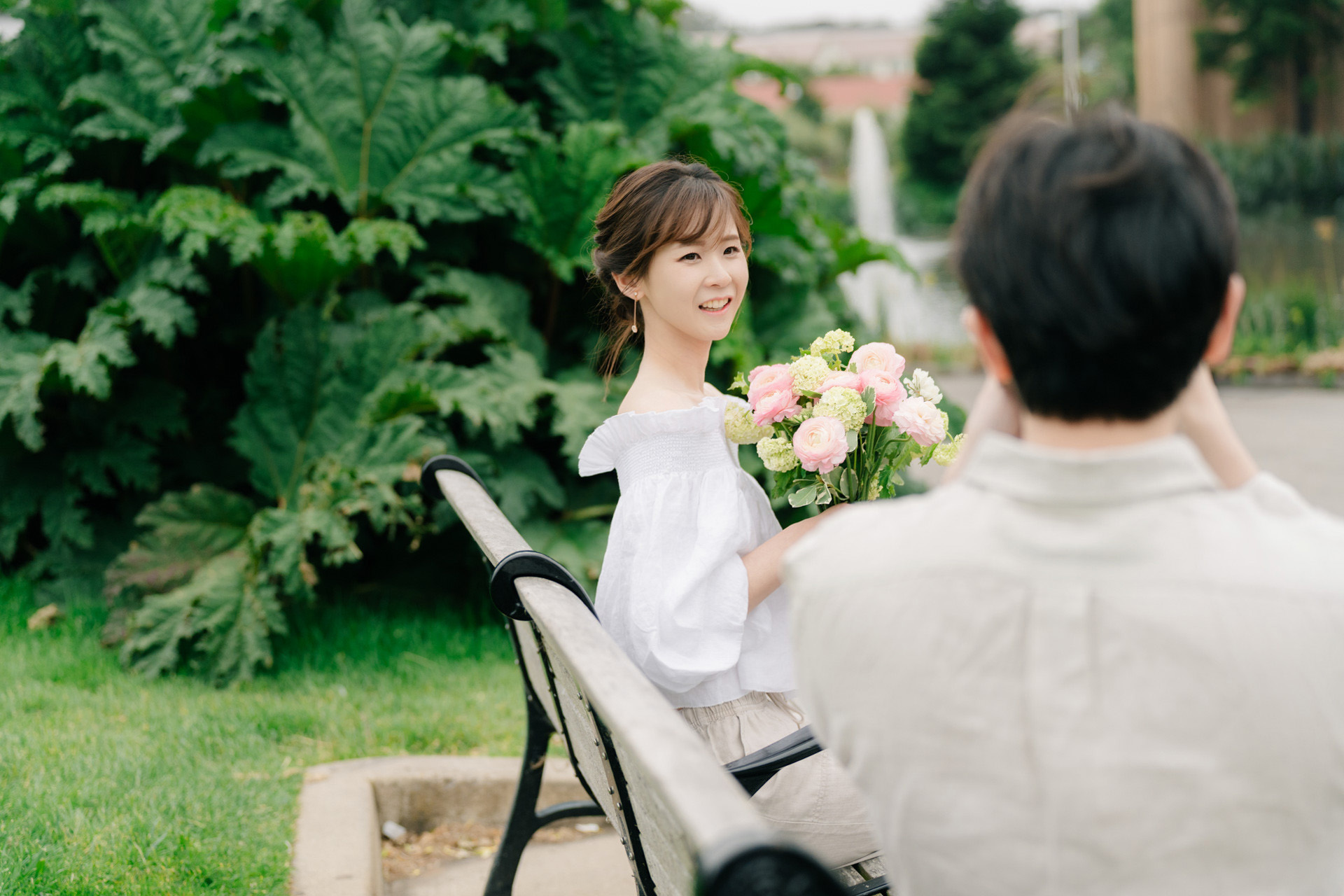
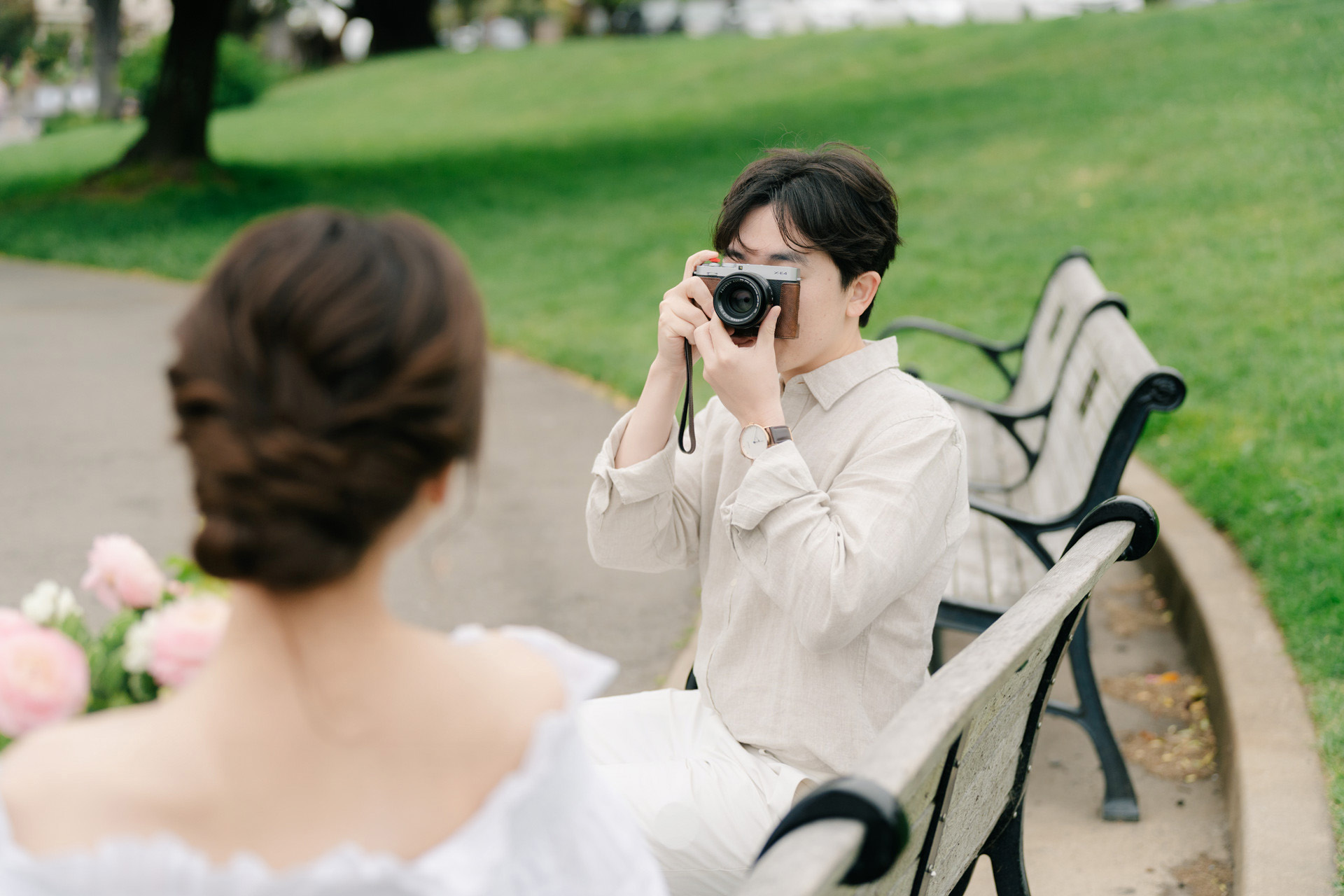
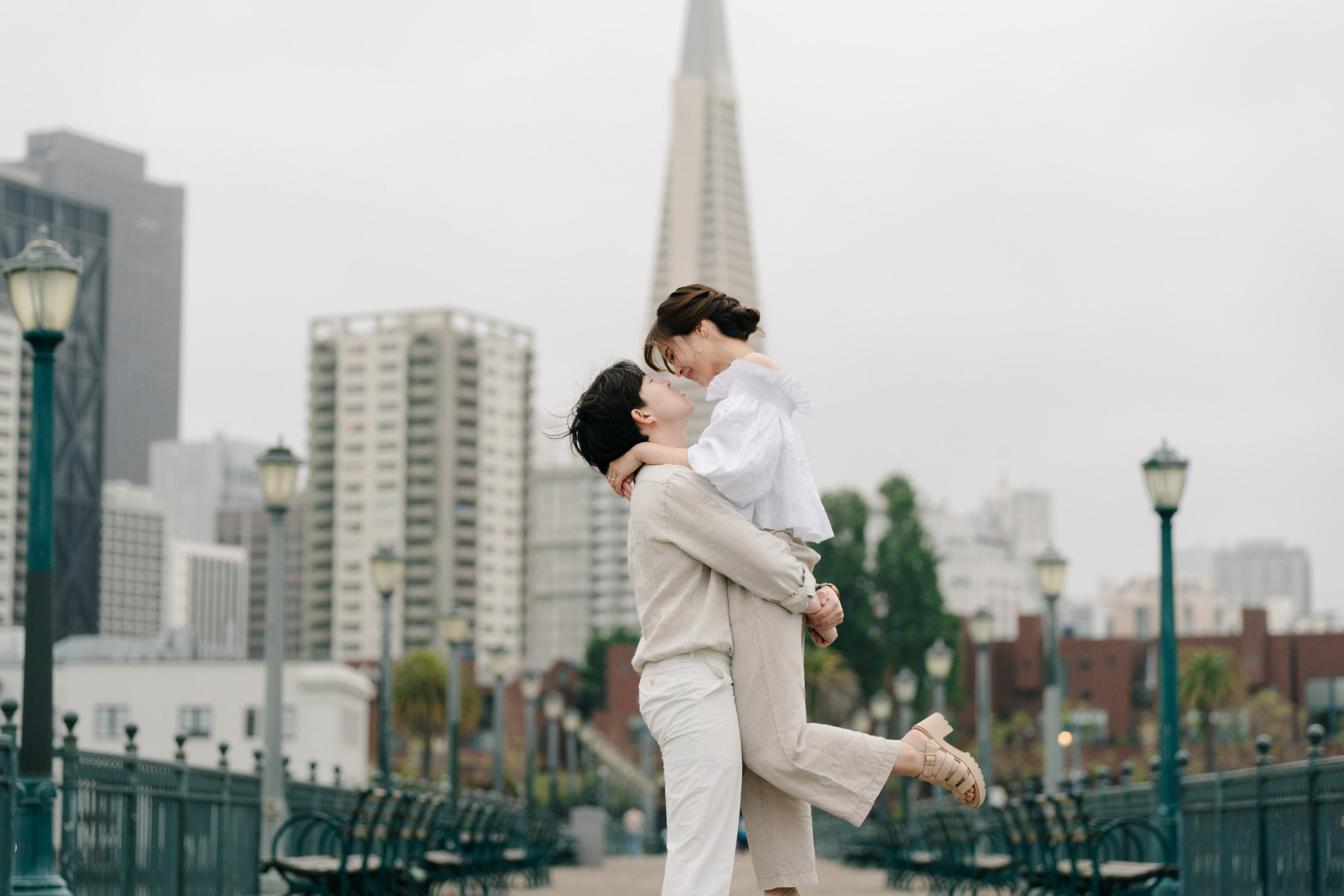
After 1,200 couples, here’s what I’ve learned: the photos people return to years later aren’t necessarily the prettiest ones. They’re the ones that show who we were that day.
That’s what I want to give you.
We may not be the right fit for everyone, and that’s okay. But if you care deeply about your day, and the story behind it, I’d love to hear from you.
You can explore our wedding photography pricing guide, or tell us about your day.
With gratitude,
Eugene
Questions about our wedding photography pricing
Are $10,000 and $20,000 your starting prices?
No. Our weddings average around $10,000, and destination weddings often go beyond $20,000. These figures describe bookings, not starting package prices. Visit our pricing guide for the current options, then get in touch to discuss your plans.
How do you get to know us before the wedding?
We begin with a questionnaire about your story, then talk through what matters to you, how you want the photographs to feel, and what you’re planning. Every wedding includes a video call; for sessions, it’s available as an option.
Can you photograph our day and make a film?
Yes. We offer photo and video through the same team, so both can follow the same story and vision. Tell us what you’re imagining when you inquire so we can talk through the right coverage for your day.


