Maybe you can already picture parts of your wedding day, but you aren’t sure what to call the whole thing. You want time somewhere beautiful together. You might want family there, too. A traditional wedding is still on the table — and so is something smaller, and a little less familiar.
Then you come across the phrase “adventure elopement,” and you wonder: is that what we’re imagining? Would our day still count if we didn’t hike, or if we brought people with us? And does the name even matter?
You don’t need to settle on a label before you decide what matters. Let’s start with the day you want to share.
In my work, an adventure elopement is a wedding built around an experience that feels like an adventure to you, often with just the two of you or a small group.
What is an adventure elopement?
People use the phrase in different ways. Some picture a summit hike. Some picture a quiet morning at a place they love. Some picture something in between.
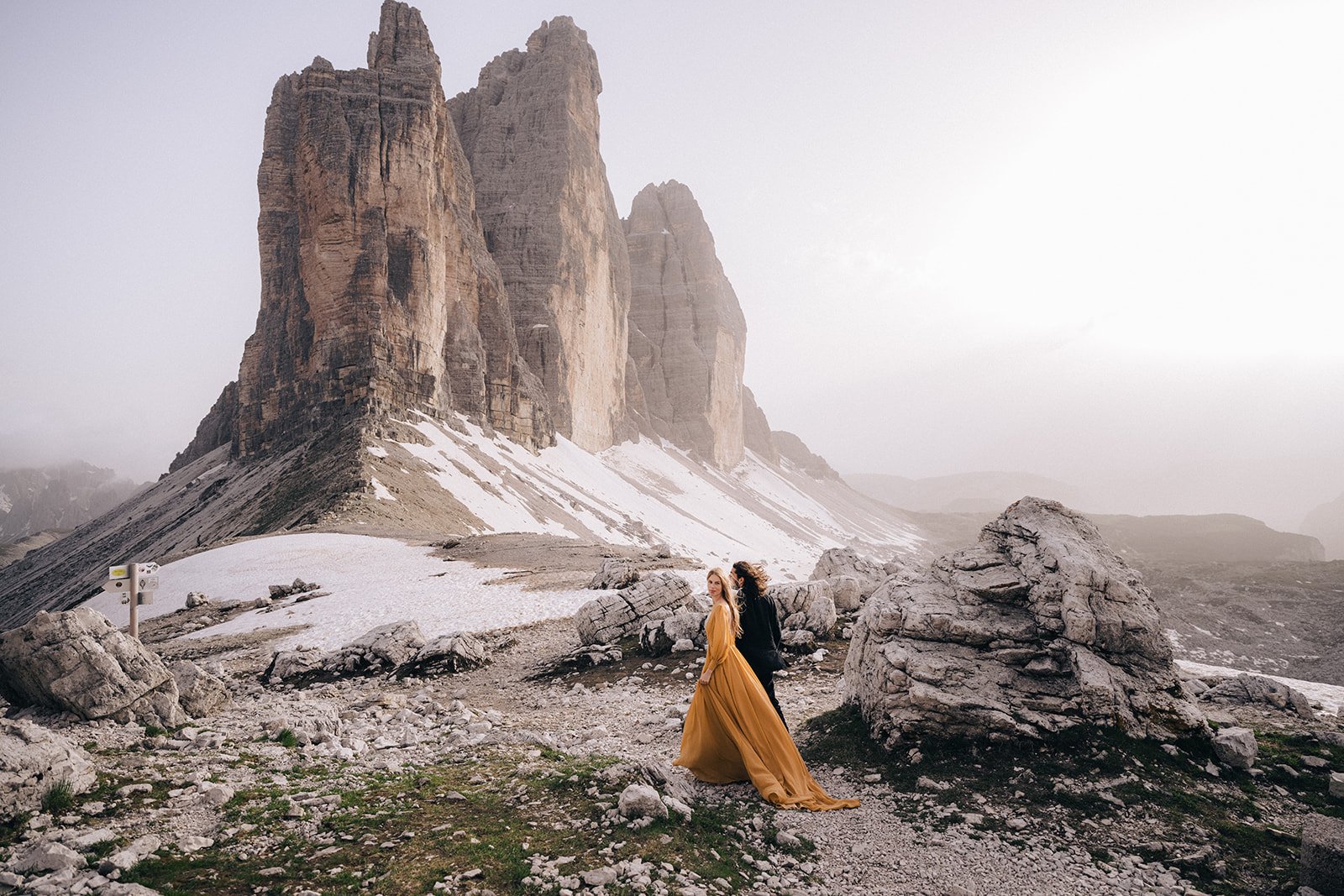
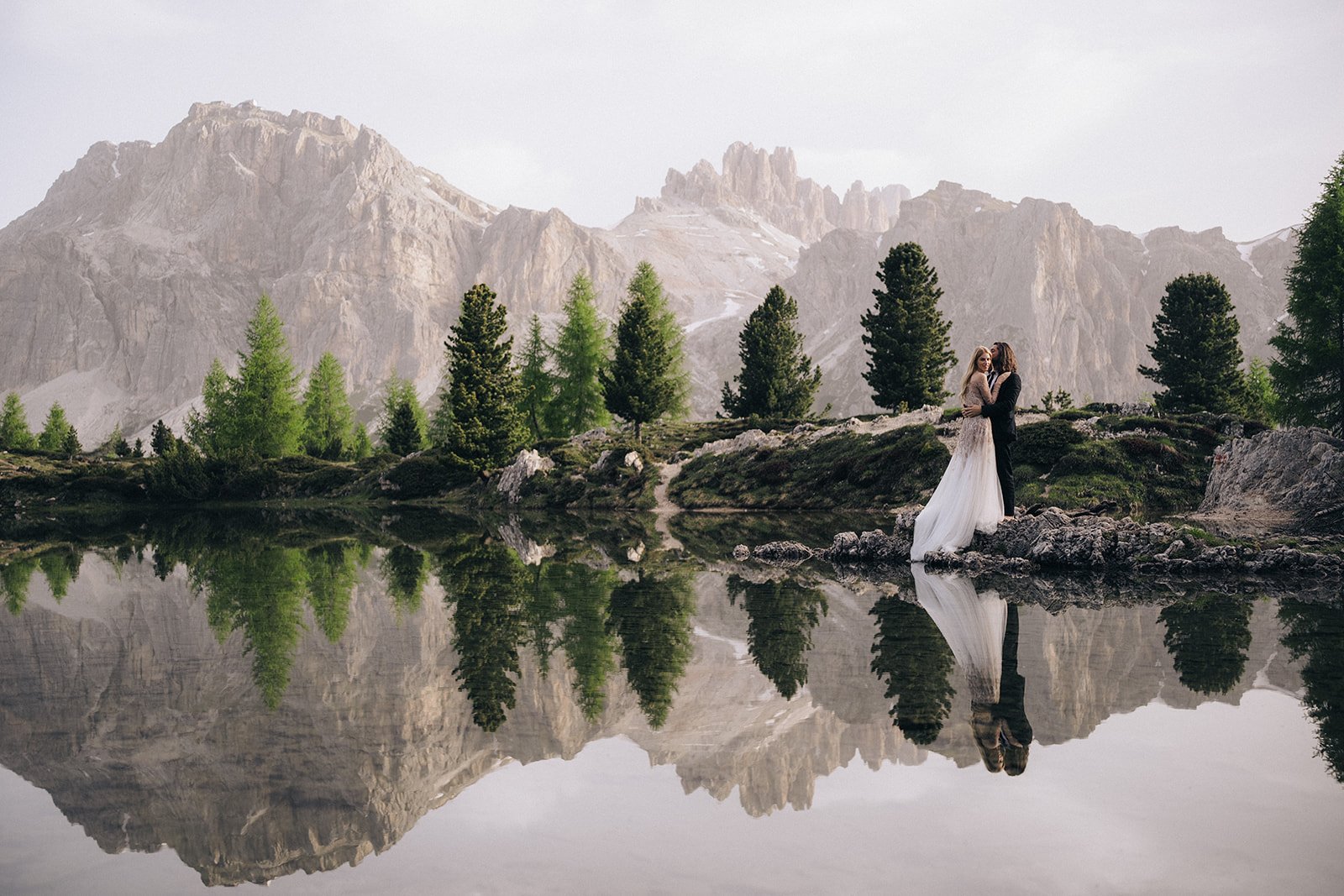
These photographs are from the Dolomites in Italy: jagged peaks, a still alpine lake, and a trail the two of them walked together through the mist.
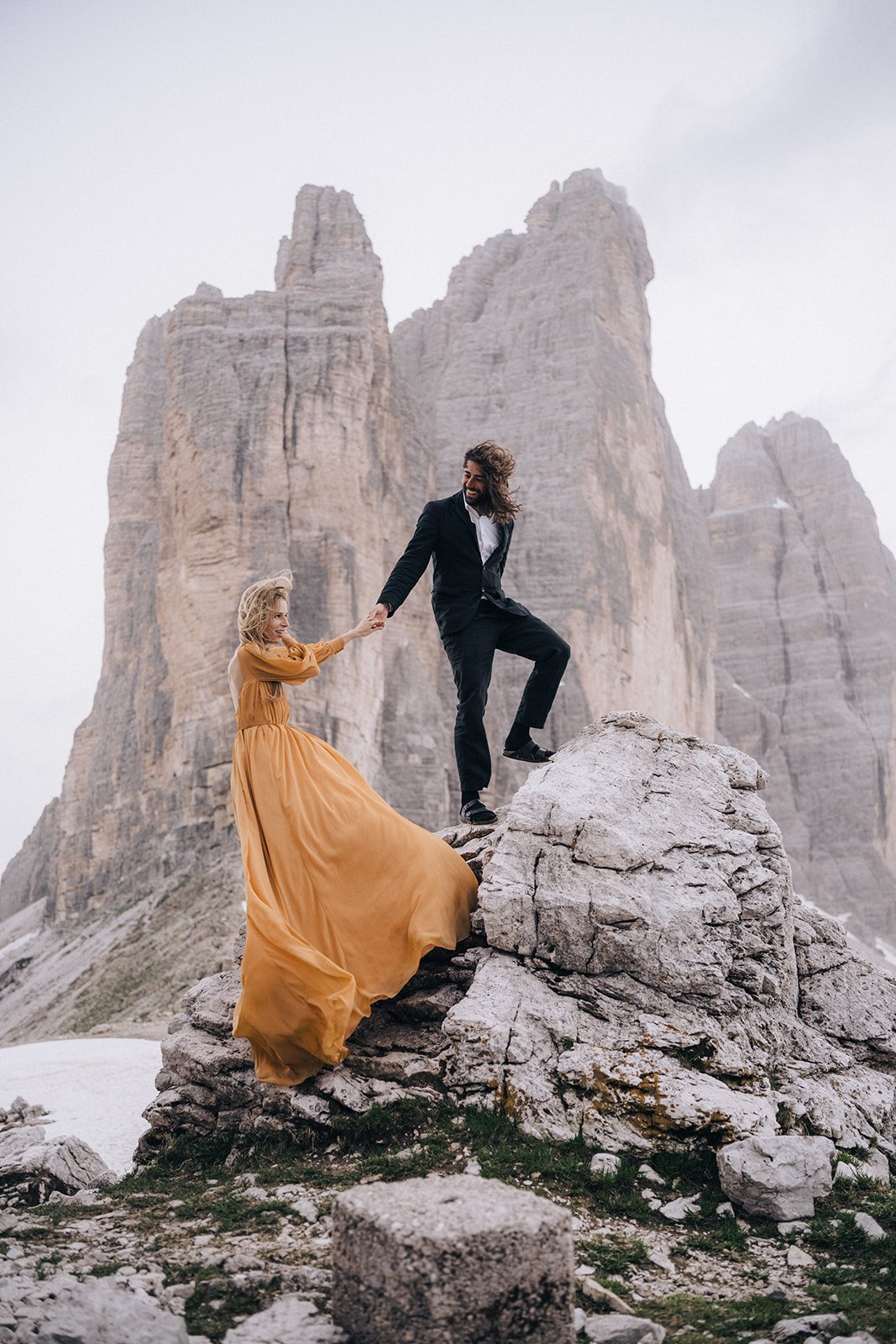
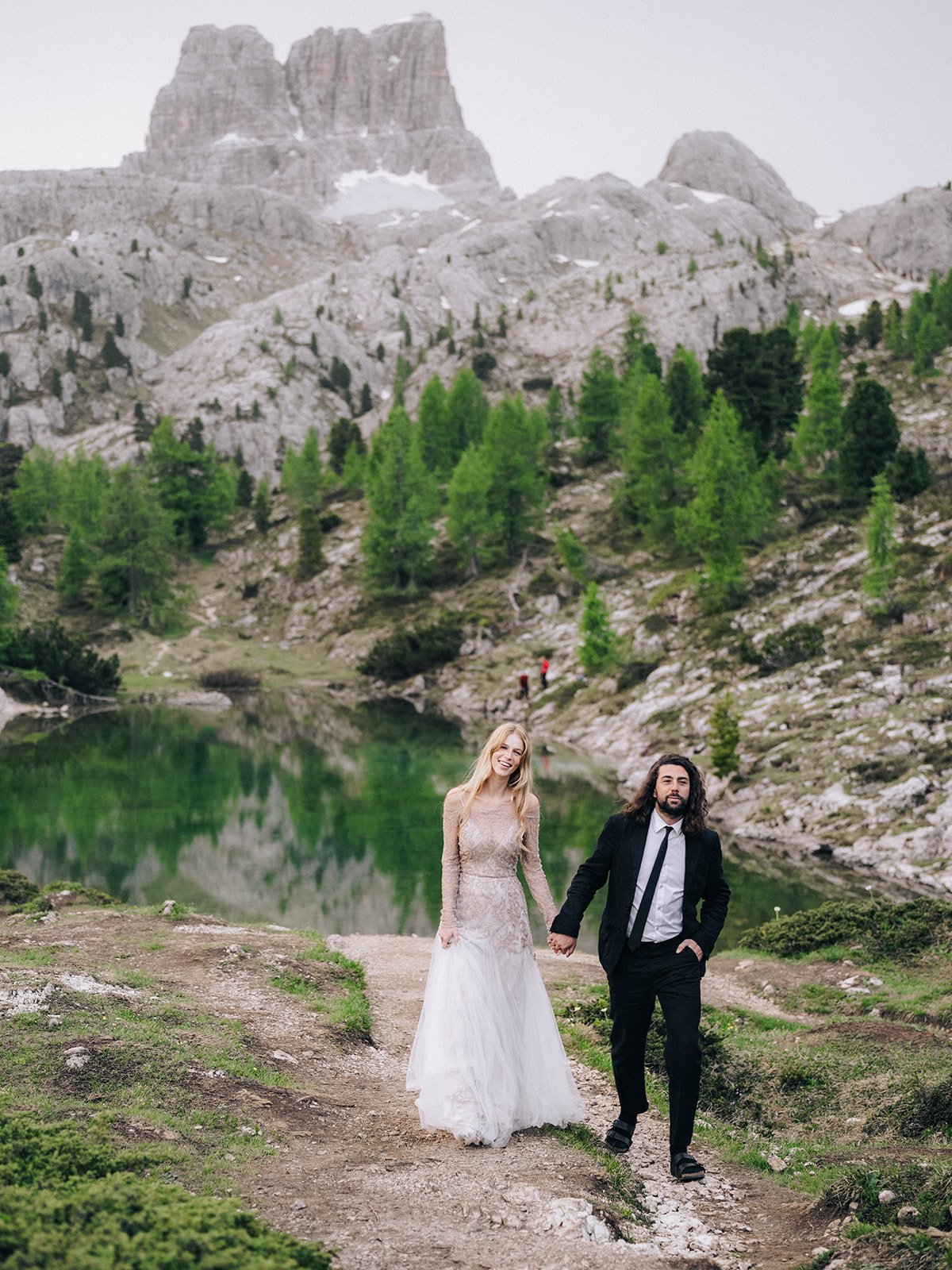
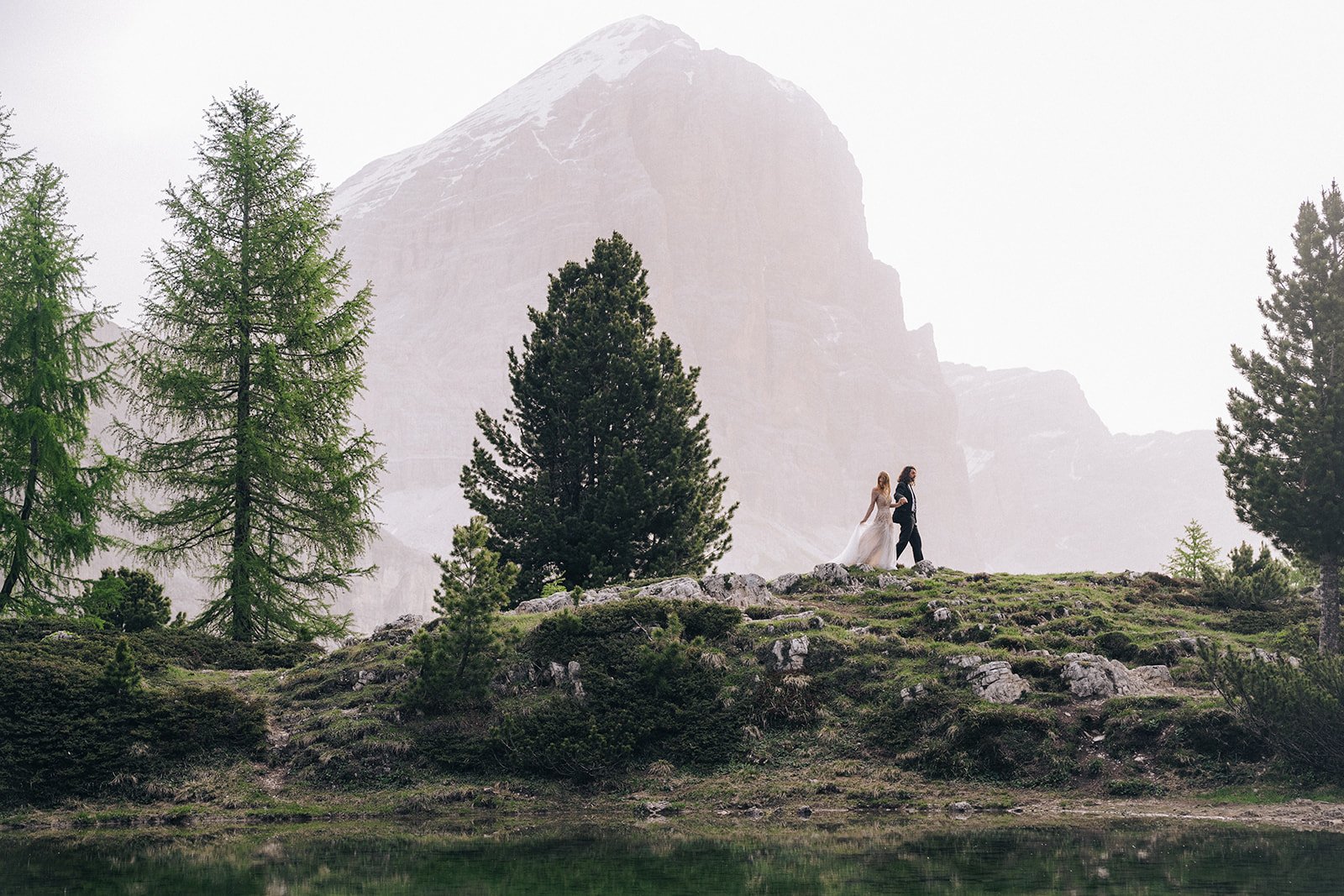
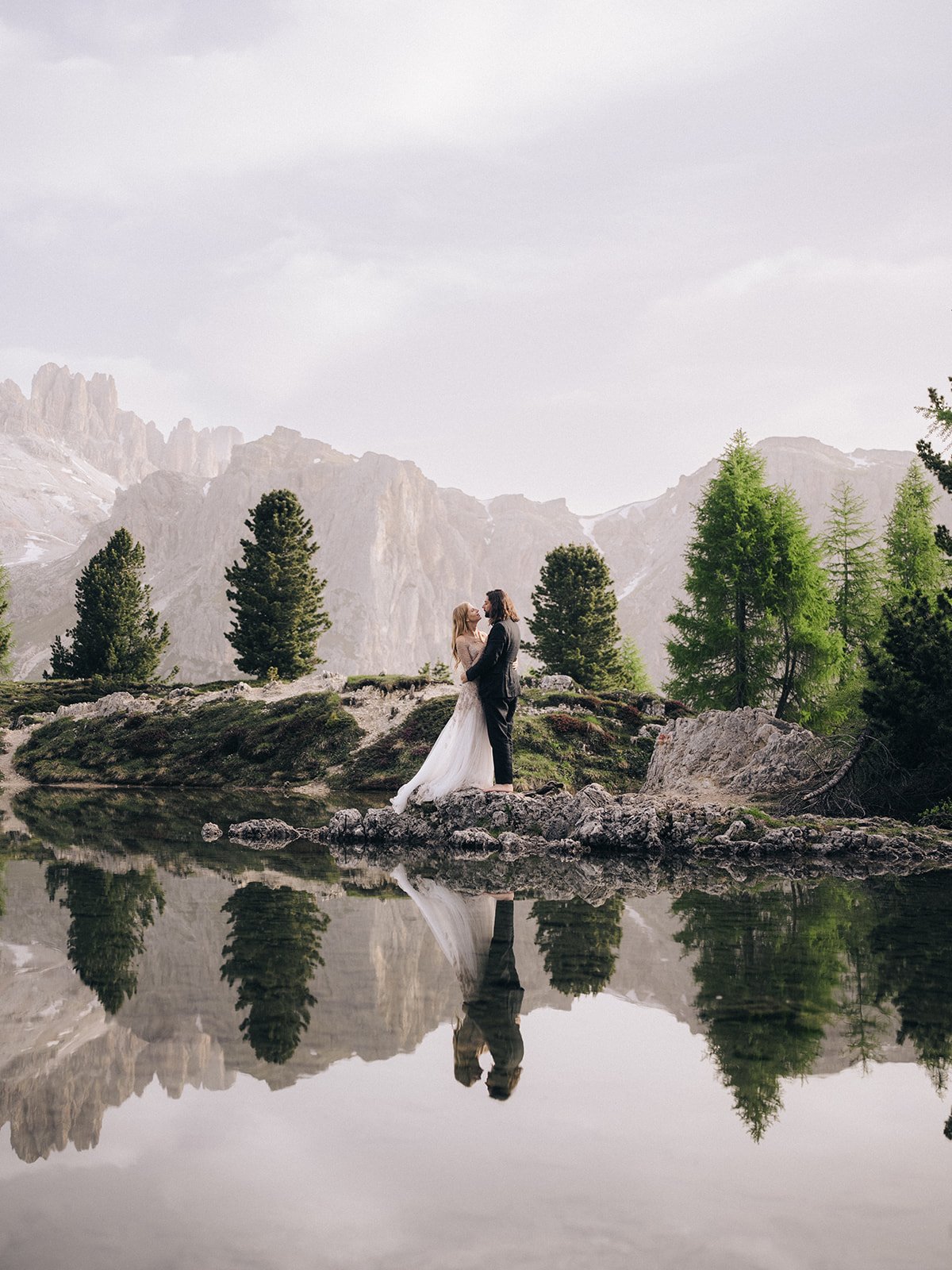
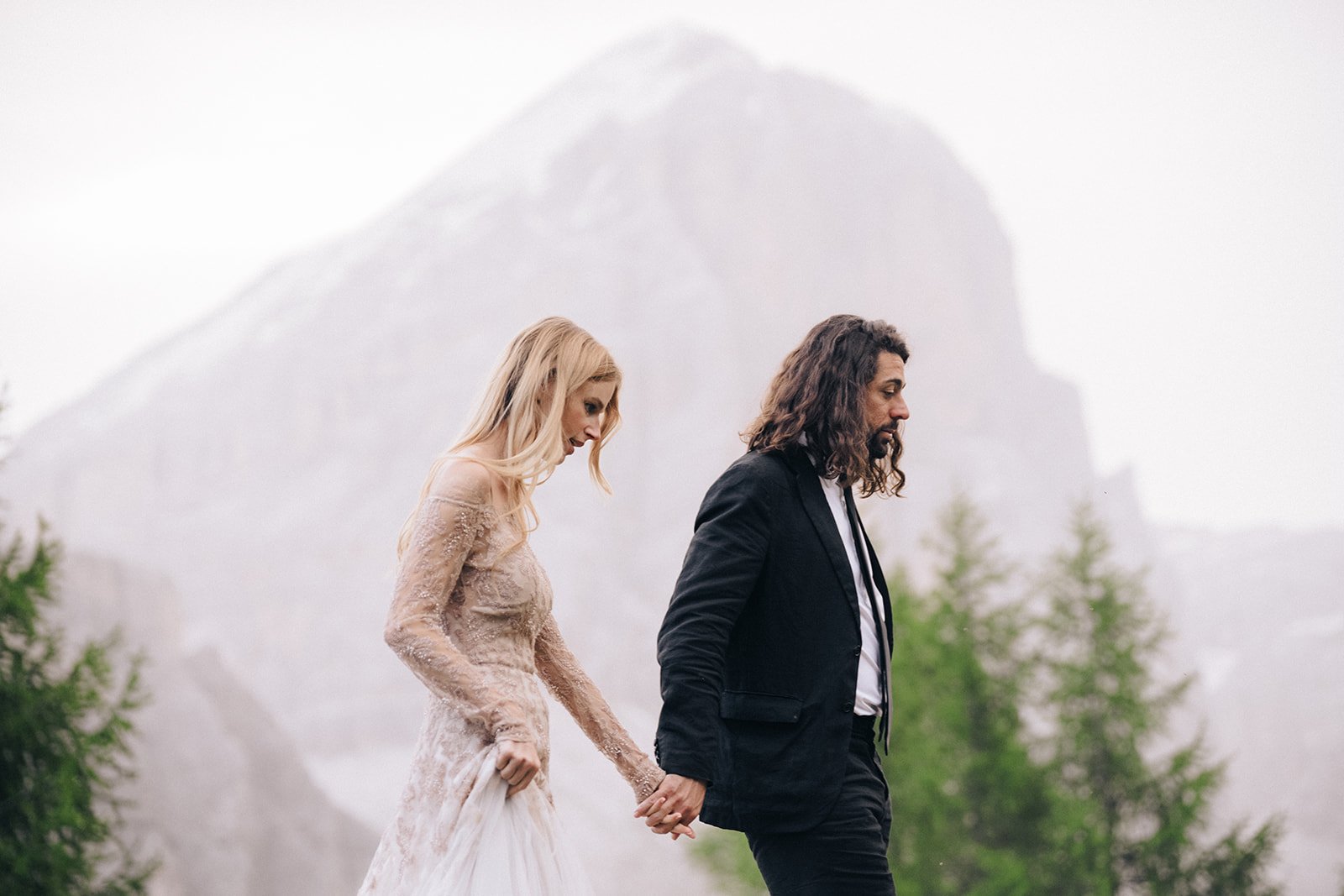
For me, adventure means anything different from your norm. It does not have to be the edge of a cliff. On a spectrum from the couch at home to climbing hundreds of feet, everyone is different — and I want you to decide what adventure means for you. That is how I describe it in What is Eugene Kim Photography?.
On the elopements page, I put it this way: adventure is going somewhere you’ve never been, taking the chance that not everything will go to plan, and choosing to marry the person you love anyway. The leap of faith into a life together is the real adventure. The landscape is where we get to celebrate it.
I also tend to prefer the word wedding over elopement in some conversations. More people understand “wedding.” “Elopement” can feel niche — and that niche can quietly restrict what you think you’re allowed to want. I want the niche to be you.
So if you are asking whether your day “counts,” my honest answer is usually: tell me what you are imagining. Hiking is optional in that framing. Guests can be part of it. A hotel cliff on the Amalfi Coast can count as much as a glacier at dawn.
Providers disagree on what guest count makes something an “elopement.” There is no universal industry cutoff. I sometimes use a soft line around a small, intimate group — that is how I like to work, not a rule of nature. Labels help some couples. Others need the day more than the word.
Should we elope or have a wedding?
This is often the real question underneath the definition.
Some couples feel pulled toward something smaller and less familiar. Some feel pulled toward family, culture, and a celebration that includes the people who raised them. On my homepage and weddings page, I say you should not have to choose — I help couples design a day that can hold both, then lean as far into adventure as they want.
A real example: Eunice & Doohyun
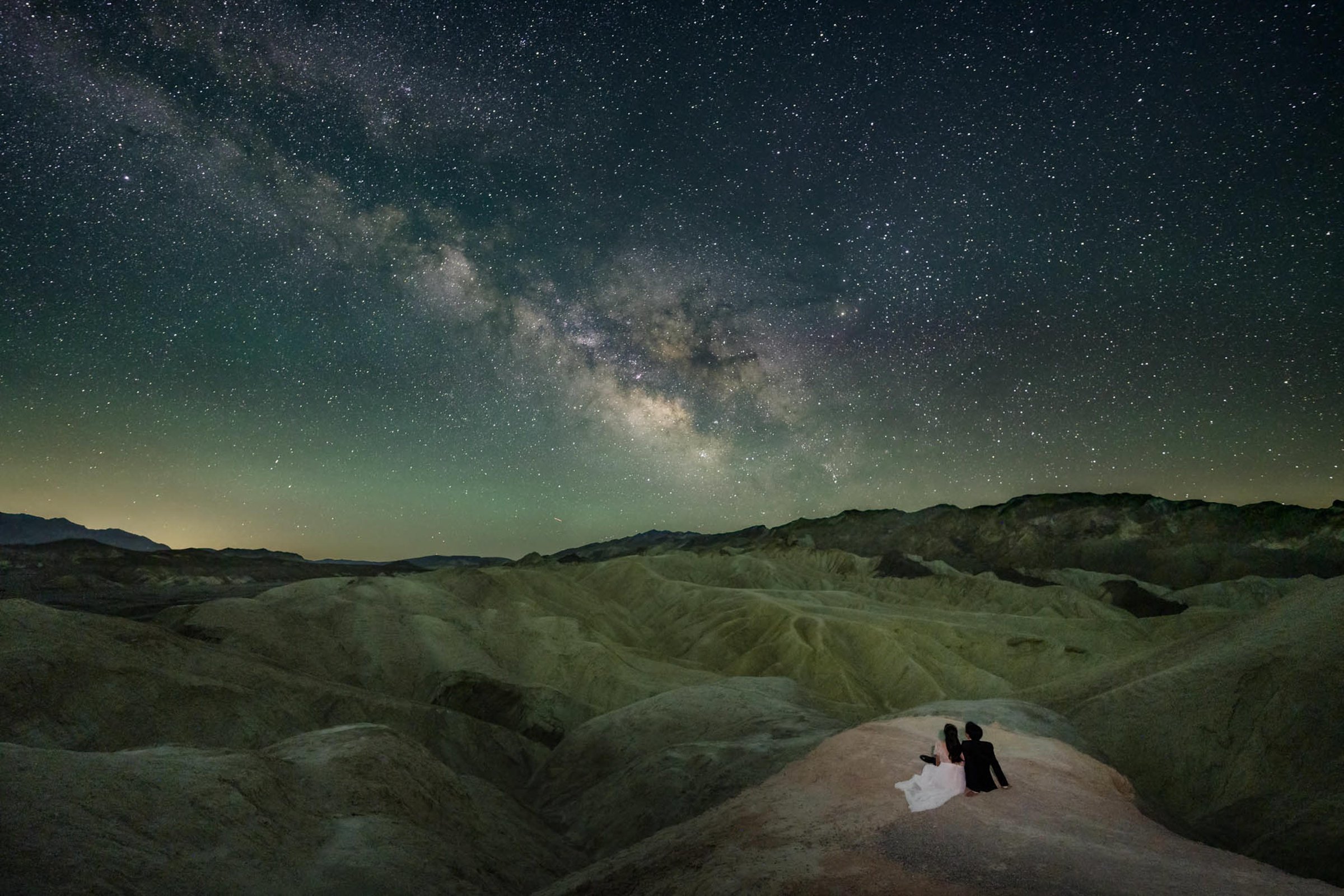
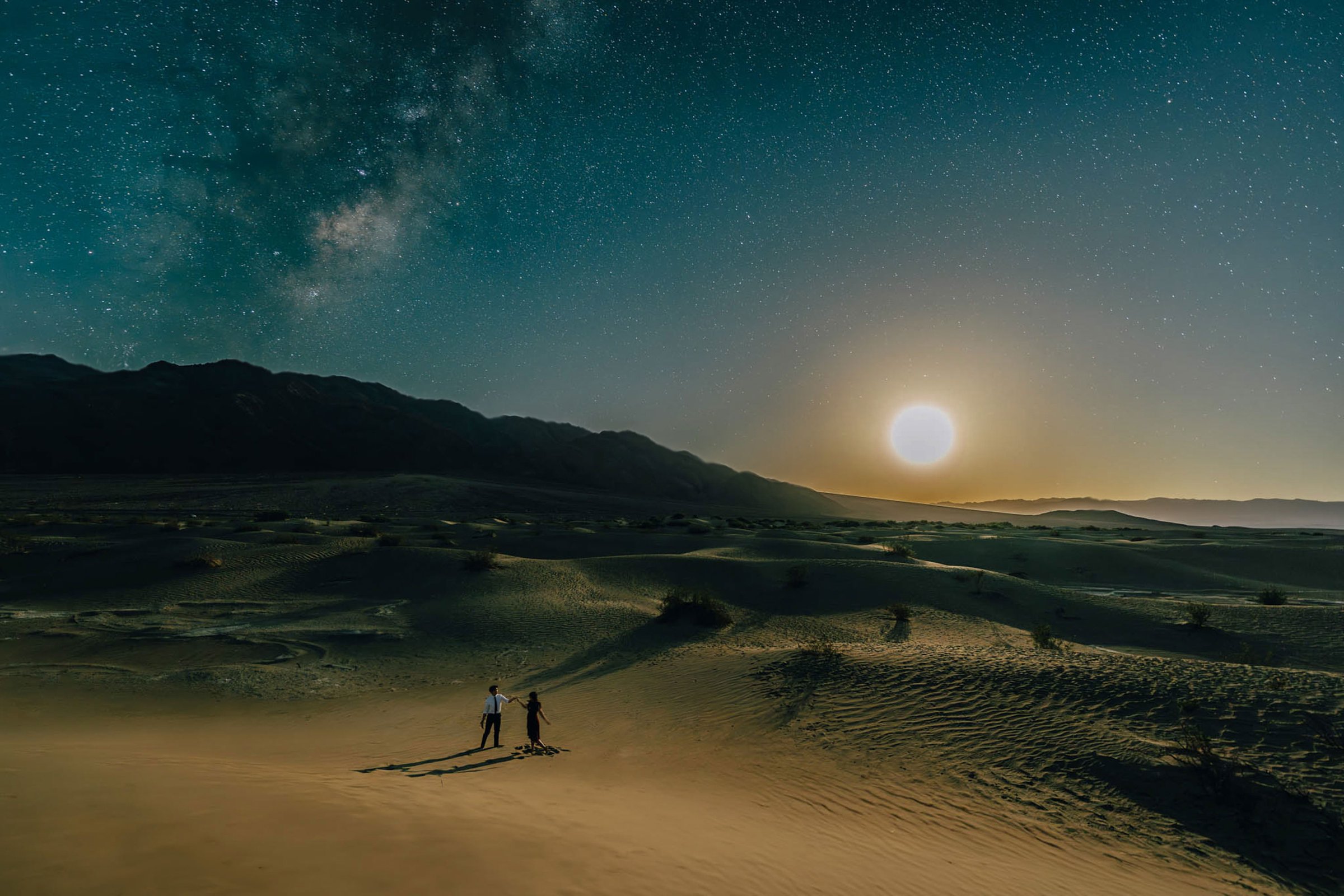
Eunice and Doohyun wanted both. They planned an overnight adventure engagement session in Death Valley — astrophotography under the Milky Way, then sunrise at the Mesquite Flat Sand Dunes and Zabriskie Point. About six months later, they had a traditional wedding at the Lake Las Vegas Hilton with around 150 guests. They displayed three of the Death Valley photos at the reception. After the adventure session, they said a weight had lifted: on the wedding day they could simply be present with family, because they had already gotten their wild, just-the-two-of-them moment. You can read their story here: Why You Don’t Have to Choose.
That is one shape of “both.” Another is a small ceremony with a few favorite people, then slipping away for just the two of you. Another is a multi-day trip. Another is a traditional wedding only. None of those has to be forced into a single label.
What might your day look like?
Here are three possibilities — imagined shapes, not prescriptions. Your day can look like one of these, a mix, or something else entirely.
A small ceremony with the people you love — then time that is just yours
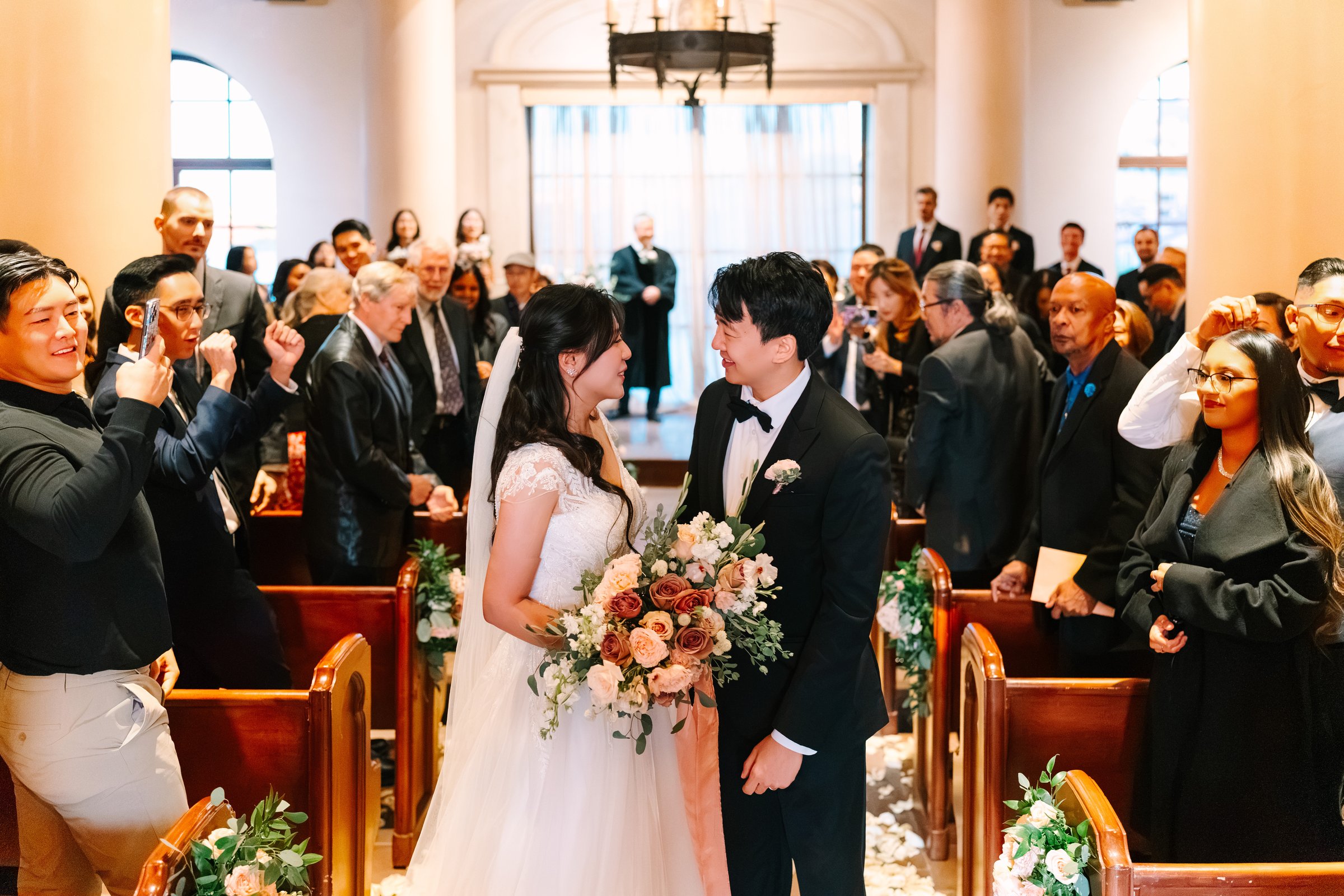
You gather somewhere comfortable and easy to reach — near a cabin, a hotel, or a quiet overlook. A few favorite people are there for the vows. Afterward, the two of you slip away for a quieter hour: soft light, no timeline pressure, room to breathe.
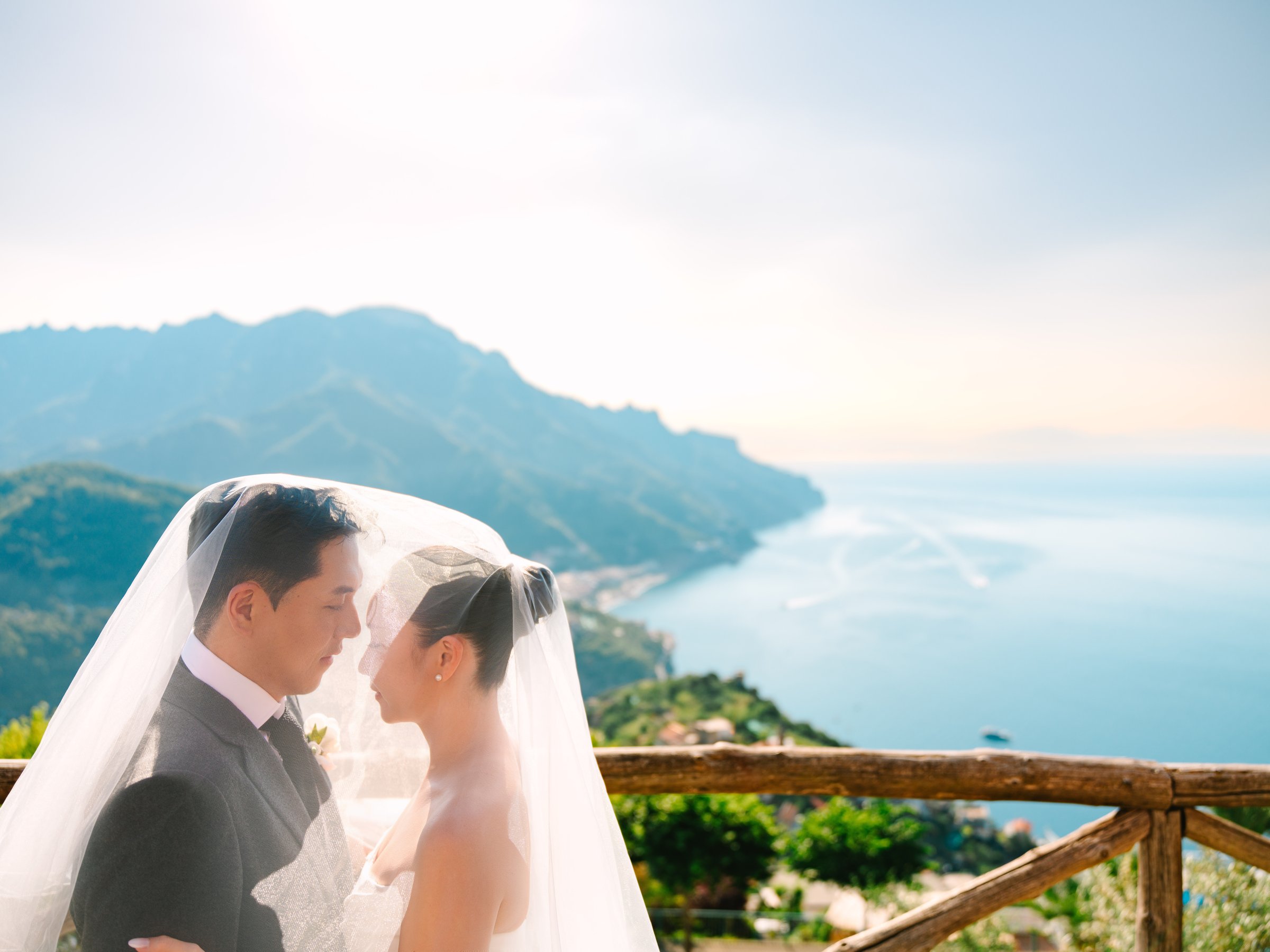
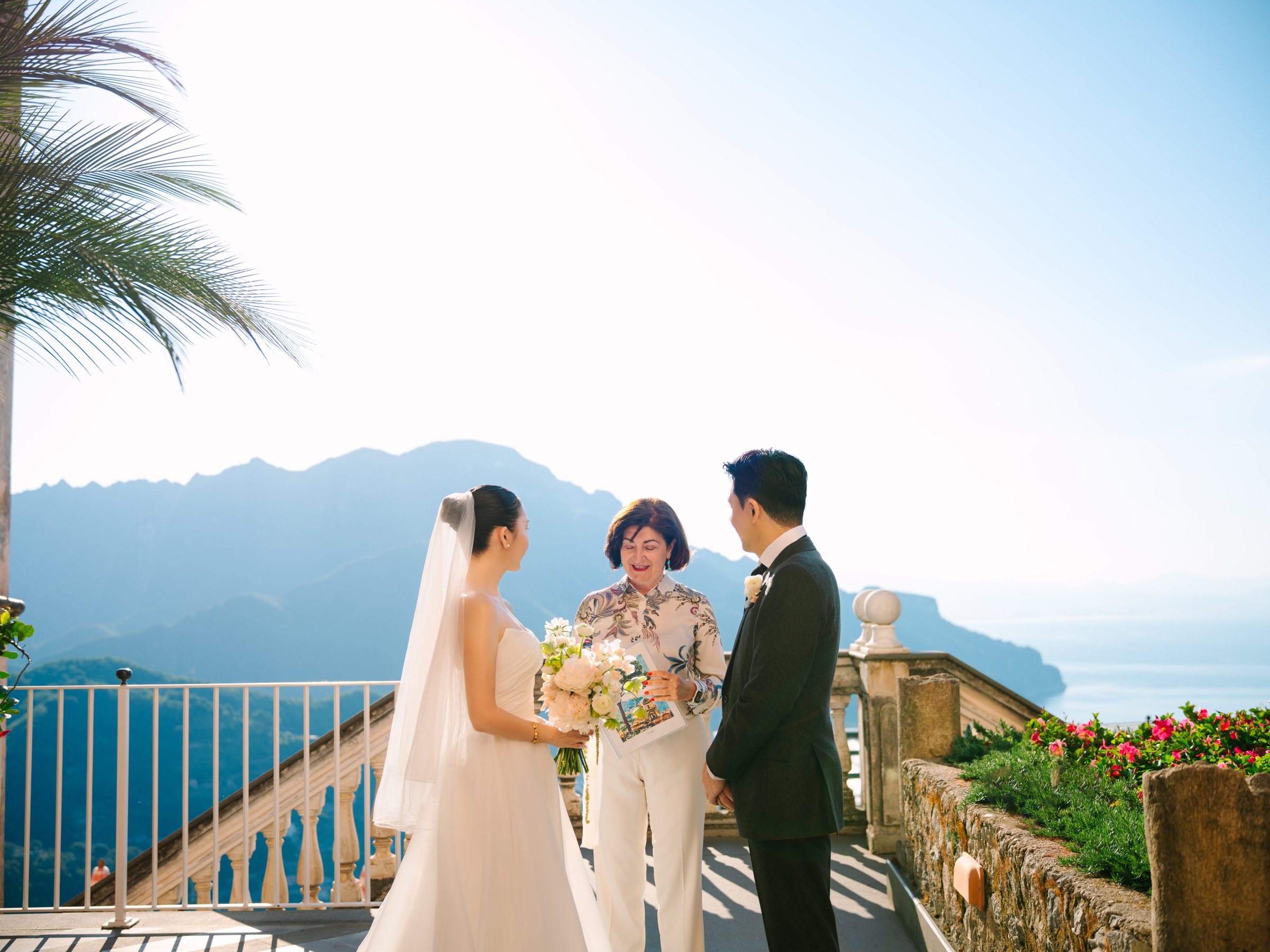
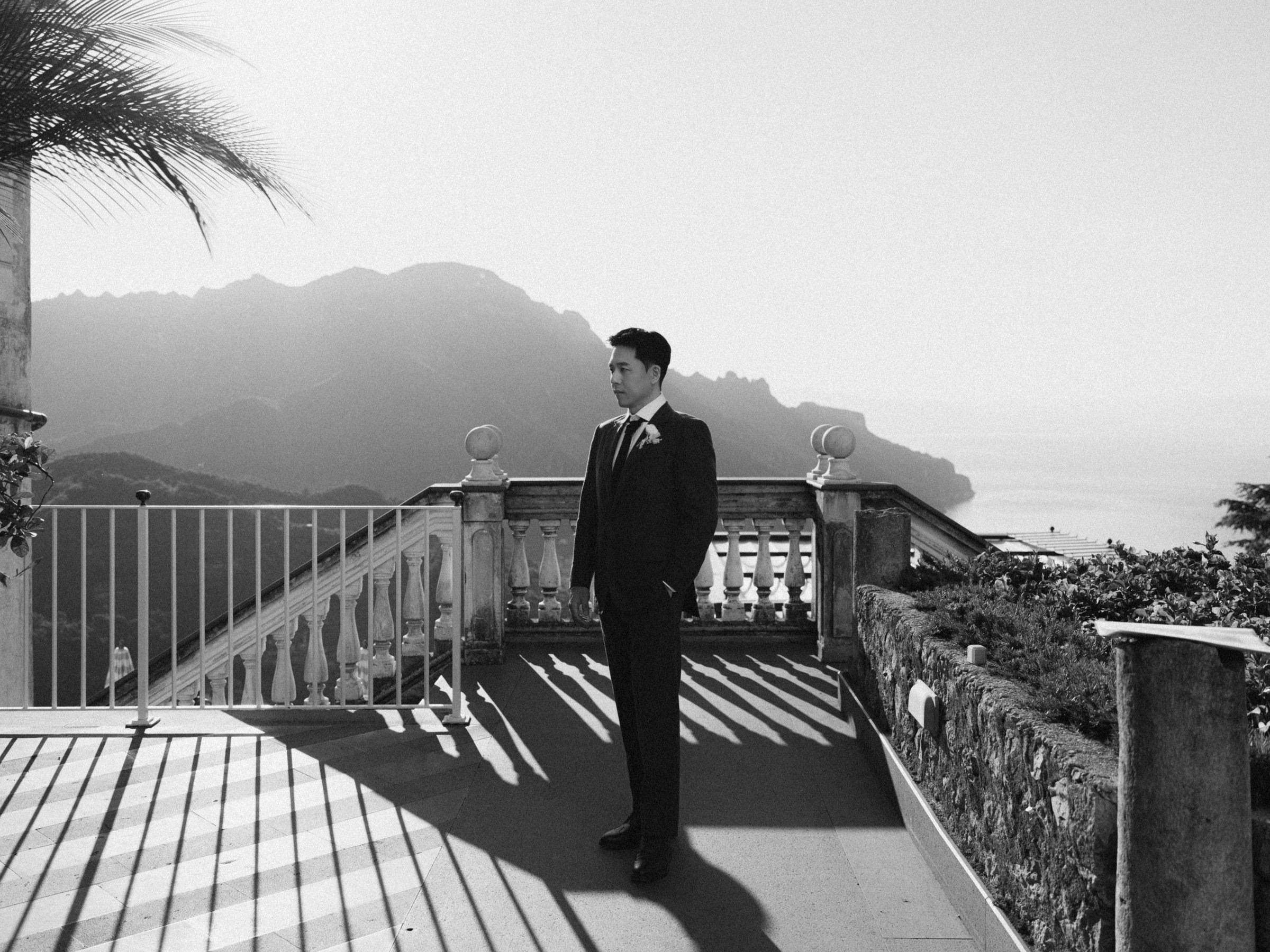
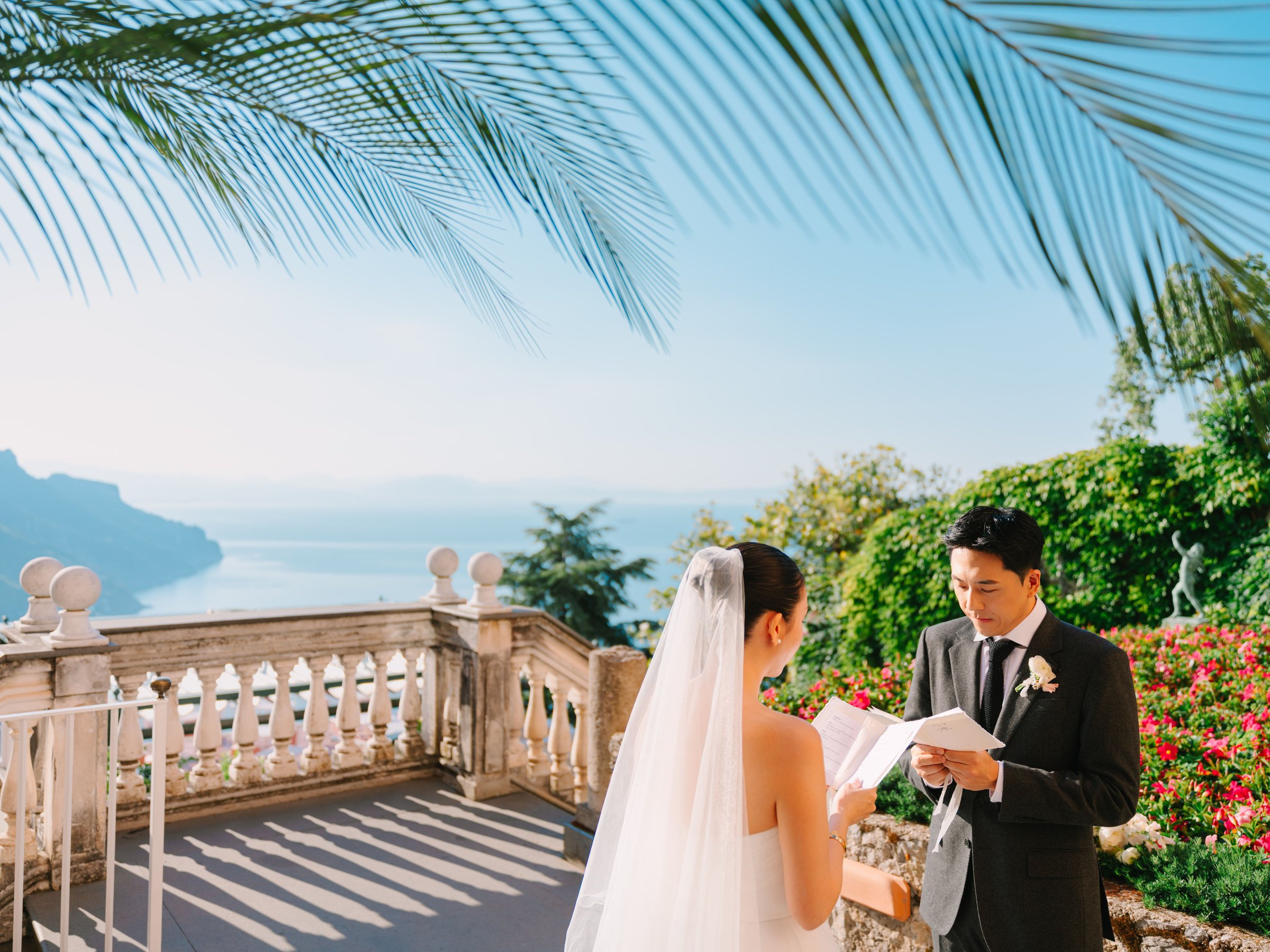
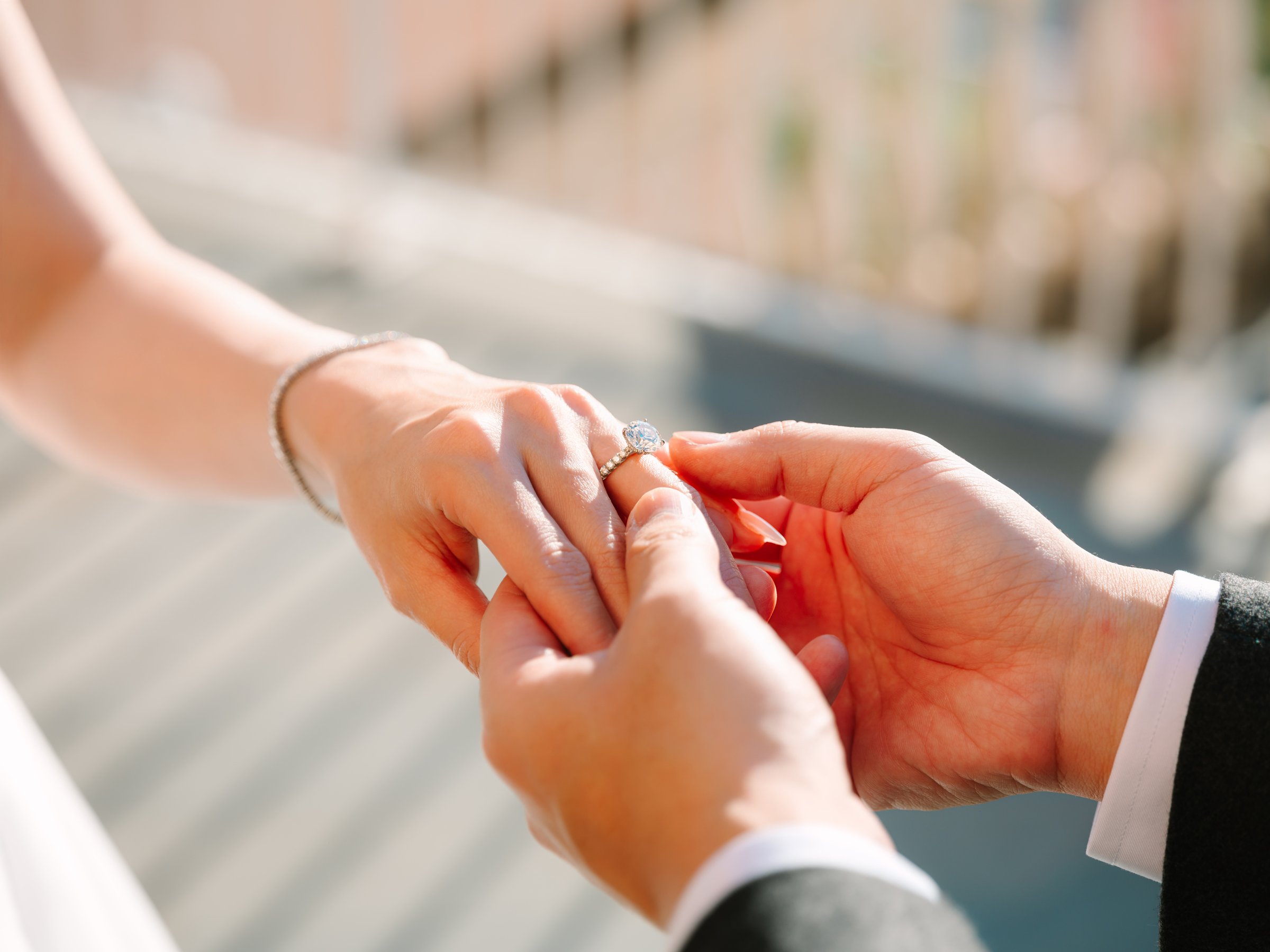
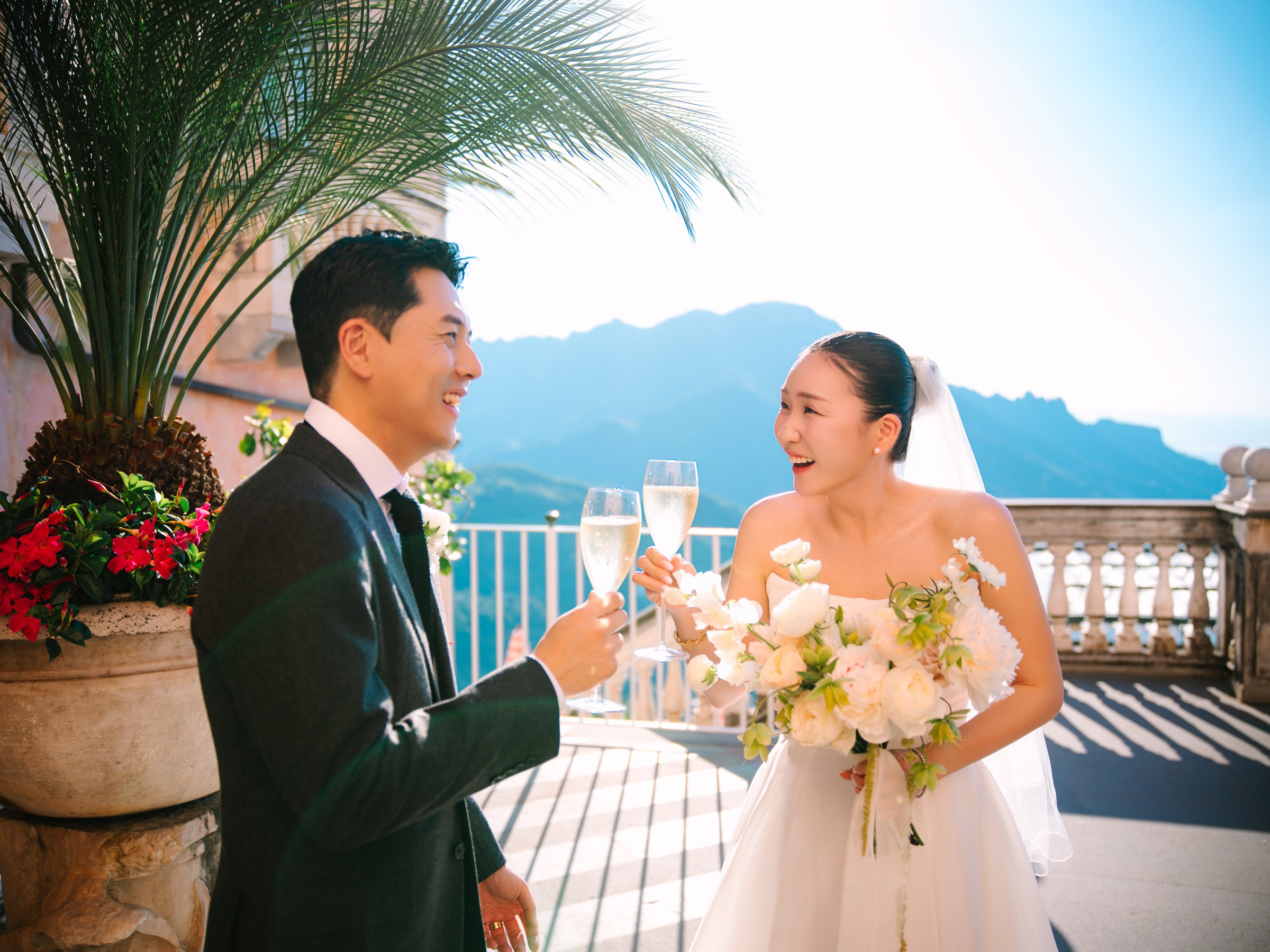
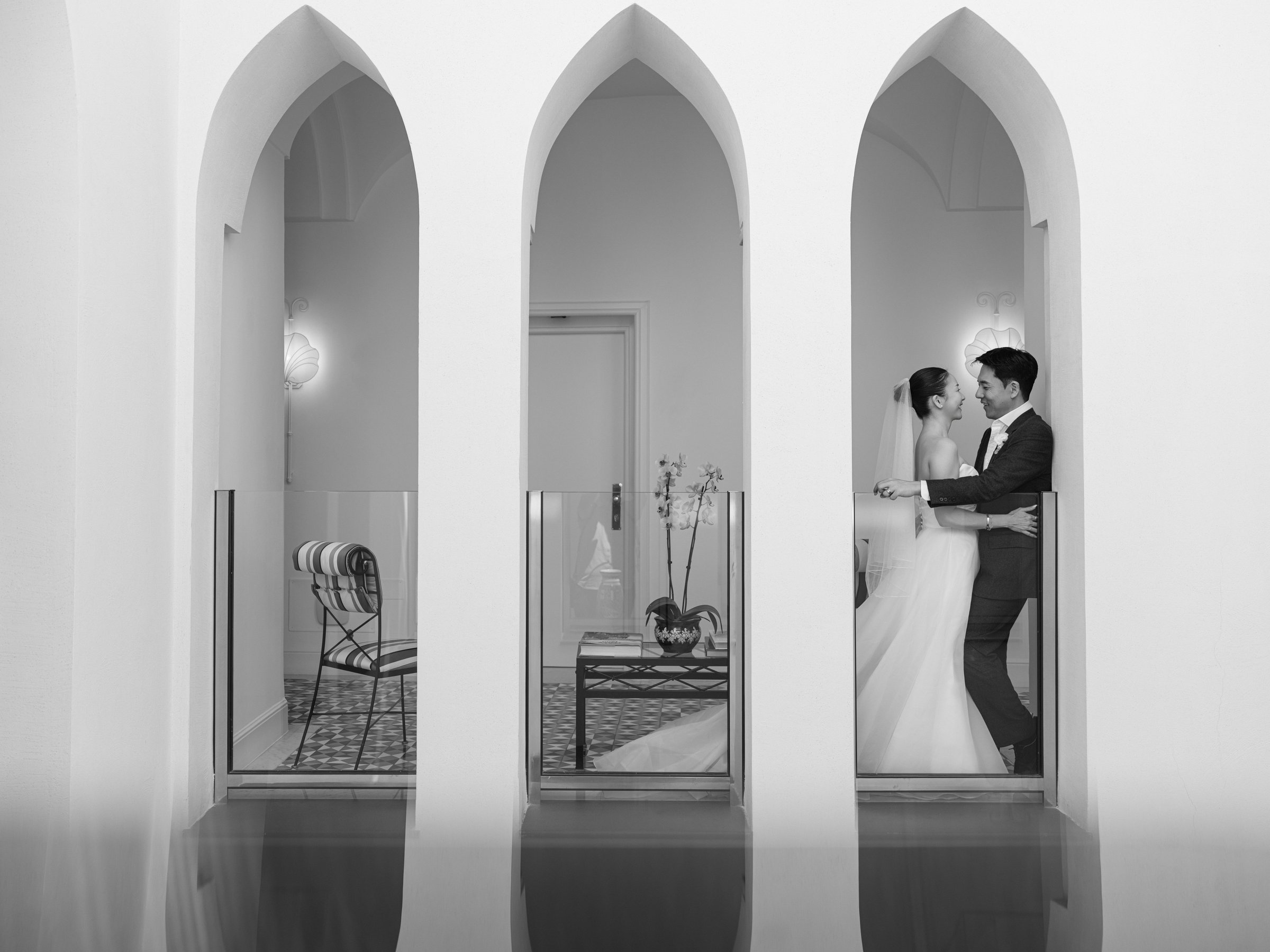
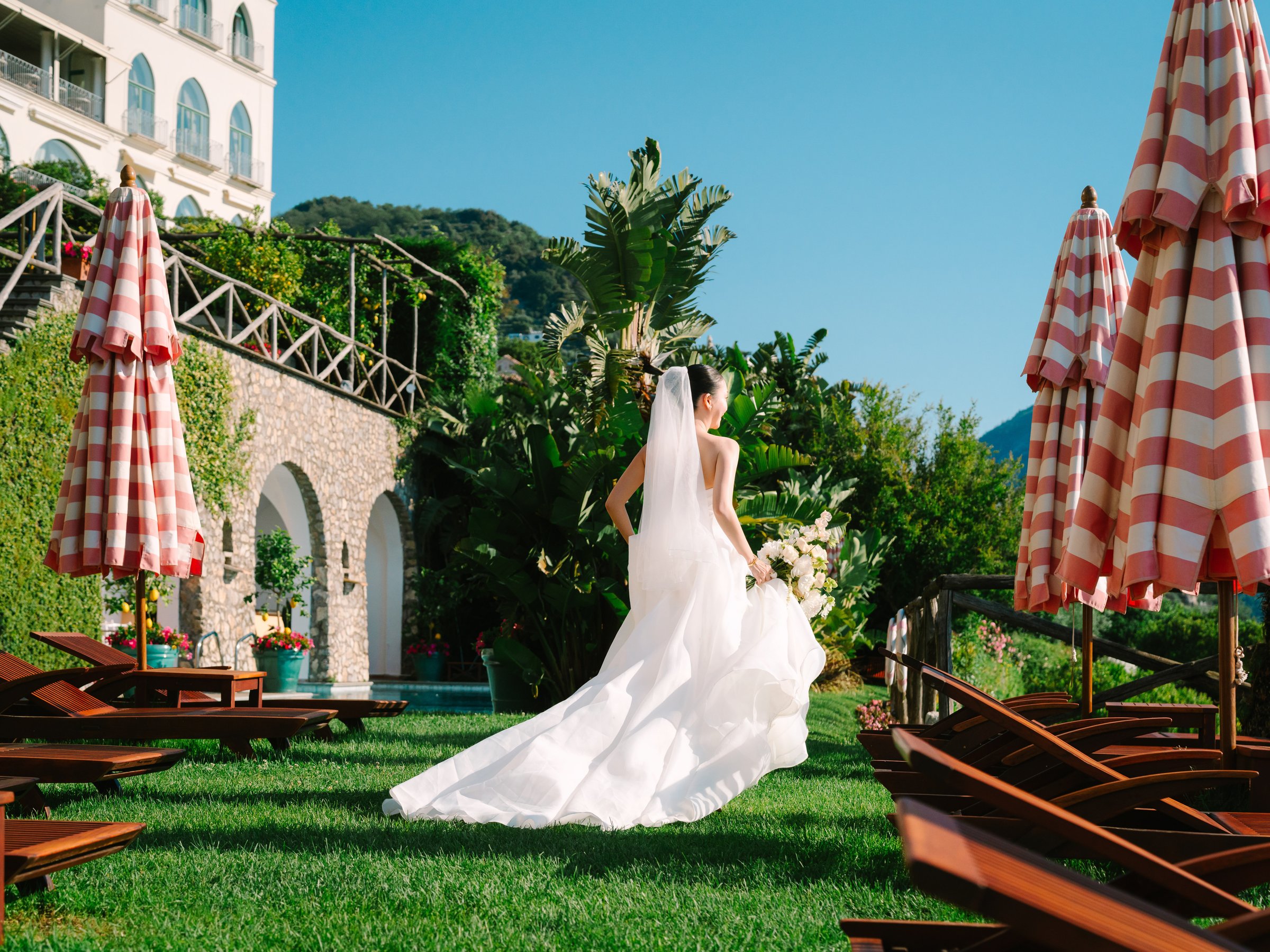
On the Amalfi Coast, a small ceremony looked like this: a terrace above the sea, vows read aloud, a ring, a toast — and then a quiet walk through the garden.
A quiet coast or desert outing, with little walking
You want the place more than the hike. A short stroll from the car, a wide view, and time to be together without a long trek. The “adventure” is the leap and the landscape — not how many miles you cover.
A traditional wedding — plus a separate adventure that is entirely yours
You honor family and culture with a full celebration, and you still get the wild, intimate photos your heart wants. One real version of this is Eunice and Doohyun’s story: an overnight Death Valley adventure engagement, then a traditional wedding months later where those photos lived on the reception walls.
If you want to see how a full adventure day can unfold hour by hour, the adventure elopement timeline walks through one shape of a Yosemite day.
Does the label help?
Sometimes the word “adventure elopement” clarifies the day you want. Sometimes it narrows it. Sometimes “wedding” opens more room — including room for family. Sometimes you do both under two different days.
If the label is stressing you out, you can set it down for a minute. Talk about people, place, and the experience you want. The name can catch up later — or not matter much at all.
Questions to talk through together
People
Who needs to be there for it to feel like your day? Just the two of you? Family for part of the day? A small ceremony and a private hour after?
Place
Somewhere you already love, or somewhere you have only seen in photos? How far are you willing to travel? Are you open to a place you have never been?
The experience
Quiet and unhurried? A little effort to reach somewhere special? Ceremony first, then the landscape? Do you want photographs only, or photographs and a short highlight video that matches the gallery?
Accessibility and hiking
Do you want a hike, a short walk, or almost no walking at all? National parks offer trails at many difficulty levels; choosing an easier path does not mean missing the place. Sturdy, closed-toe footwear with good soles beats heels or flip-flops on dirt and gravel, and layers help when weather shifts — general guidance the National Park Service shares for hiking safely.
Practical planning
Once the choice feels clearer, the practical layer can come in.
How we usually start
We start with a 30-minute Google Meet — your story, the kind of day you are imagining, how you want it to feel. No hard sell. Then we plan location, light, permits, trail conditions, and a backup if the weather turns. I always help with hair, makeup, other vendors, special activities, and the other details that make the day yours.
How far ahead should we plan?
If you want the full range of choices for seasons, locations, and weather, about a year ahead — at least — is a good place to start. That gives us a little room to plan. I’ve worked with as little as two weeks’ notice and as much as two years, too. This is about planning your day together, separate from any park’s permit application window.
Coverage length
Coverage usually starts at six hours and can stretch across more of the day — or across more than one day, when that fits what you want.
Photo + video
I shoot photo and video at the same time. The highlight video is a short companion to your photos — same camera, focal length, and locations — so the gallery and the video feel like one story. Audio is available separately. You get a preview gallery within 24 hours, and the full gallery and highlight video within 50 days.
Investment
Weddings and adventure elopements are priced the same — you are investing in how the day is captured, not paying per guest. Travel is included in the regional rate. Current starting points and add-ons are on the pricing page; your exact collection comes in a custom proposal after we talk. Monday–Thursday elopement dates come with 10% off; Friday does not qualify for the weekday discount.
Permits, places, and guests
Rules vary by exact location. In Yosemite National Park, every wedding or commitment ceremony needs a special use permit, no matter how small the party. The permit does not give you exclusive access and does not guarantee a specific site. You can apply up to one year ahead, and more than 21 days before the event. Smoke, road closures, and weather can disrupt plans — including seasonal closures on roads like Tioga and Glacier Point — so it is wise to plan with a backup in mind. I help with permits as part of planning; for the marriage license I point you to the right resources and can help you find an officiant.
Weather
We plan for it, always with a backup location or time. Some of the best photographs come from the days that did not go exactly to plan.
Legal paperwork (California)
If you are marrying in California, you apply for a marriage license through a County Clerk. Licenses are generally valid for 90 days. There are public and confidential options, with different witness rules. The California Department of Public Health explains the essentials here: Marriage License Information. Follow the requirements for the county where you apply; I can help you find an officiant once you know the shape of the day.
Dogs and pets
There is no blanket yes or no. In Yosemite, for example, pets are allowed in certain developed areas and on fully paved roads and paths, on a leash of six feet or less, and are generally not allowed on trails or in wilderness. Service animals are handled separately. The park’s pets page has the details; other places have their own rules.
Leave No Trace
Wherever you go, plan ahead, stay on durable surfaces, pack out what you bring, leave what you find, keep campfire impact small, give wildlife space, and be considerate of others — the Leave No Trace principles in plain language.