
You’ve been to weddings. Plenty of them. You know the general shape of the day — ceremony, cocktails, dinner, dancing, maybe an awkward bouquet toss. You’ve sat through the toasts, hit the dance floor, and made it home by midnight. But building a wedding timeline without a planner? That’s a completely different thing.
Now it’s your wedding. And suddenly you’re staring at a blank spreadsheet wondering: how long does hair and makeup actually take? When should the ceremony start? What even is cocktail hour for? These are the questions your friends forgot to mention when they told you “it all just comes together.”
The truth is, putting together a wedding day timeline on your own is one of the most important things you can do — and one of the most underestimated. Not because it needs to be rigid. Because when you understand why each block of time exists, you can build a day that actually breathes.
I’m Eugene, a wedding photographer based in Las Vegas. I’ve been on the other side of hundreds of wedding timelines — the ones that flowed beautifully and the ones that fell apart by 2 PM. This guide walks through every stage of your day and explains what’s really happening behind the scenes, so you can plan your wedding timeline with confidence — no planner required.
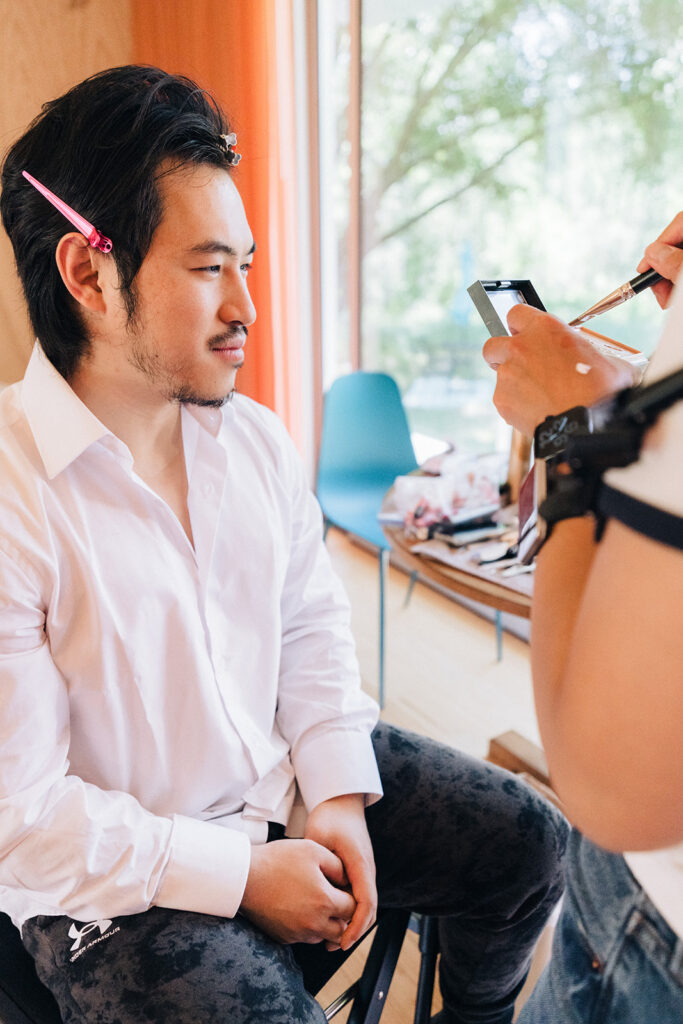
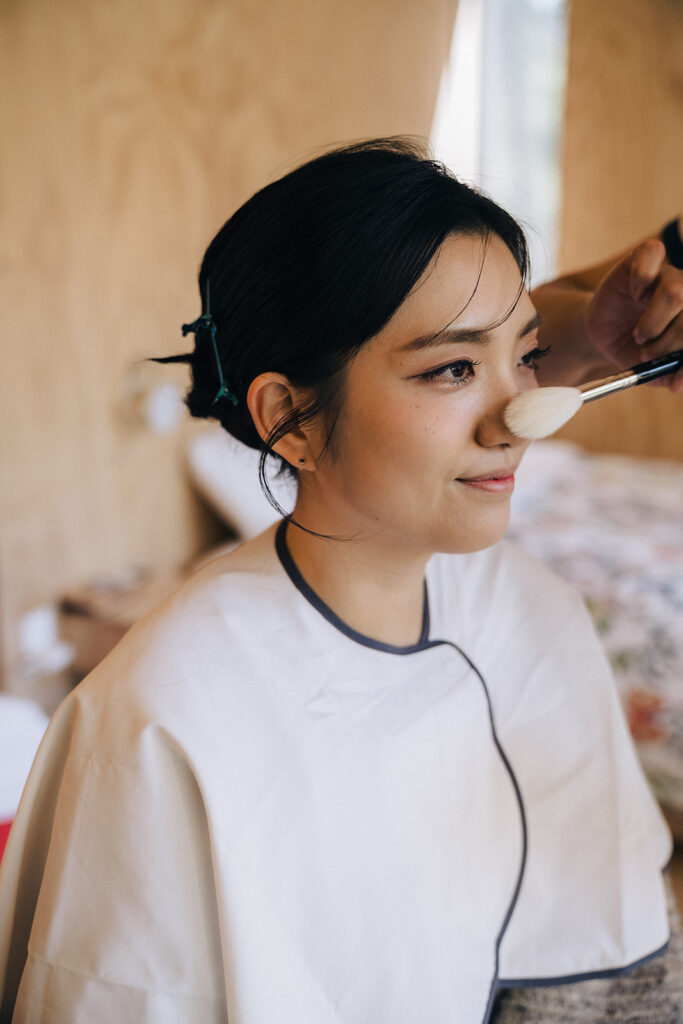
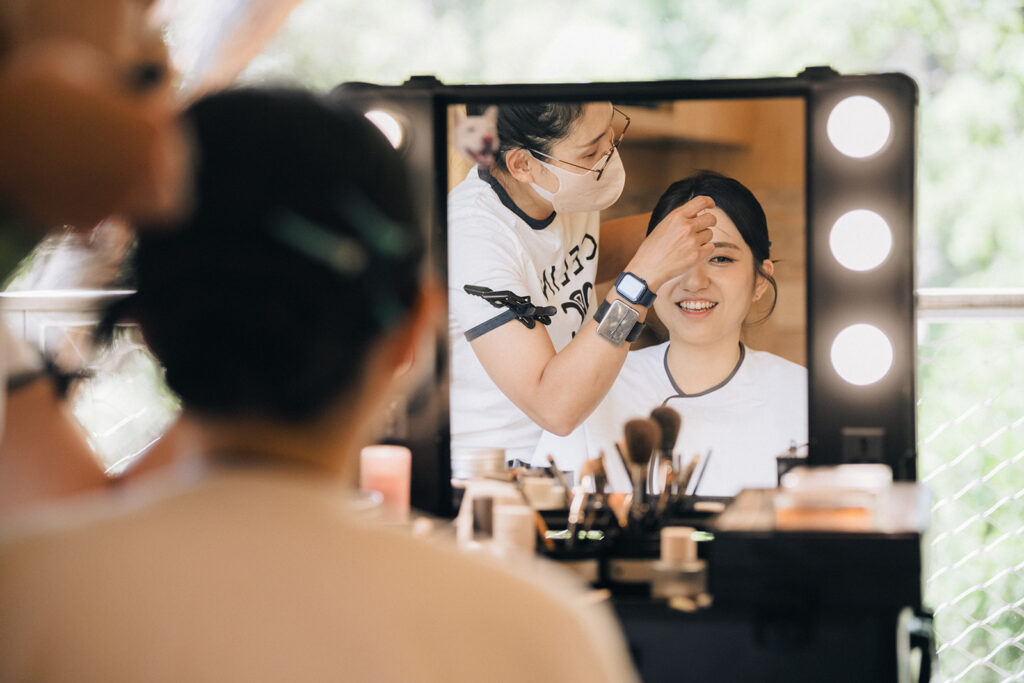
1. Hair & Makeup — The Math That Drives Everything
This is where most couples underestimate the timeline. Not by a little — by hours.
Here’s the reality:
- Bride’s hair & makeup: 2.5 to 3 hours
- Bridesmaids (2–4) + mothers: another 3 to 4 hours
- Total: 5.5 to 7 hours
That’s not a typo. If your ceremony is at 4:00 PM, your hair and makeup team might need to start at 7:00 or 8:00 AM. And here’s why that matters — your ceremony time actually determines everything else, working backward.
How Ceremony Time Gets Set
For outdoor ceremonies (and most venue ceremonies), the sweet spot is about 2 to 2.5 hours before sunset. That gives you time for the ceremony, family photos, and then couples portraits during golden hour — that gorgeous, warm light right before the sun goes down.
So in winter, when sunset is around 4:30 PM, ceremonies tend to land around 1:30–2:00 PM. In summer, with sunset around 8:00 PM, you can push ceremonies to 5:00 PM or later.
Once you know your ceremony time, work backward:
With bridesmaids:
- Ceremony minus 3 hours = all hair & makeup done
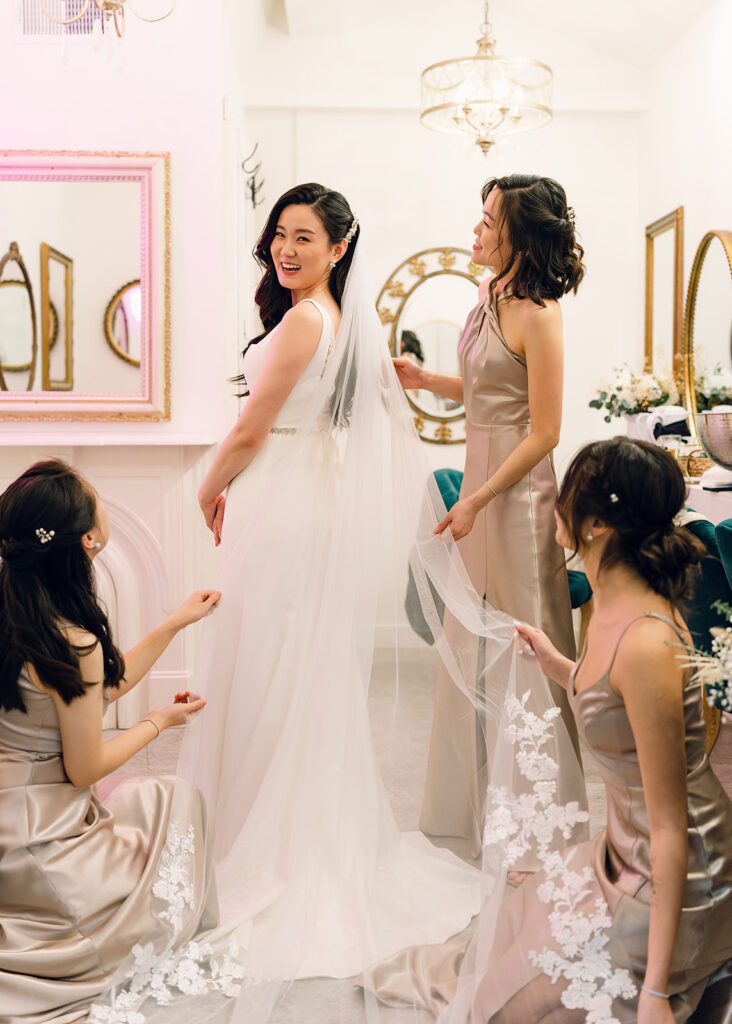
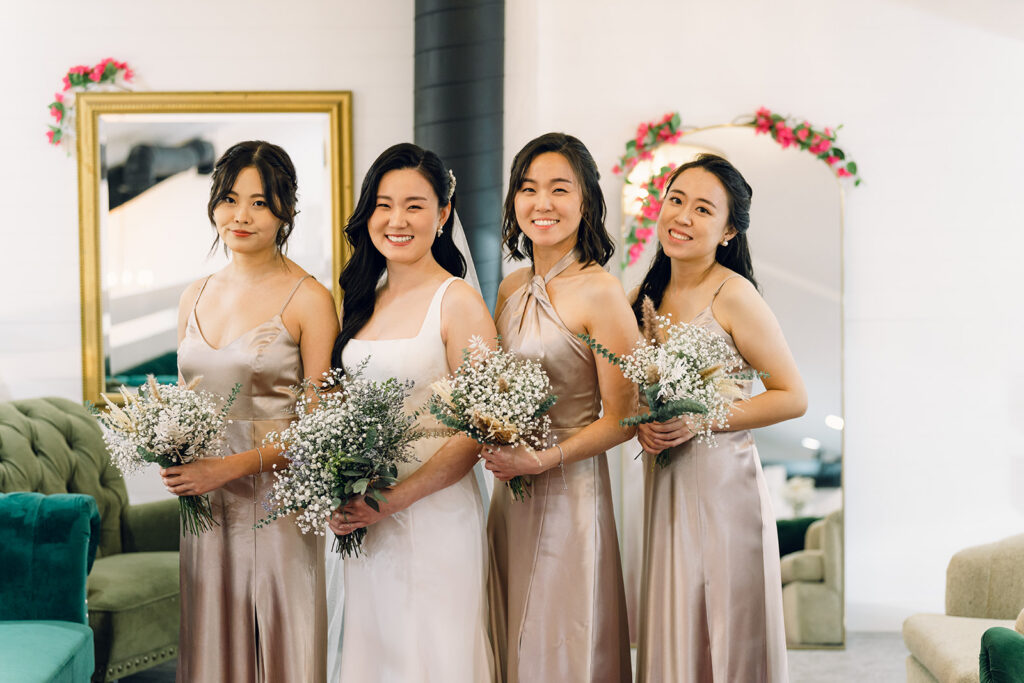
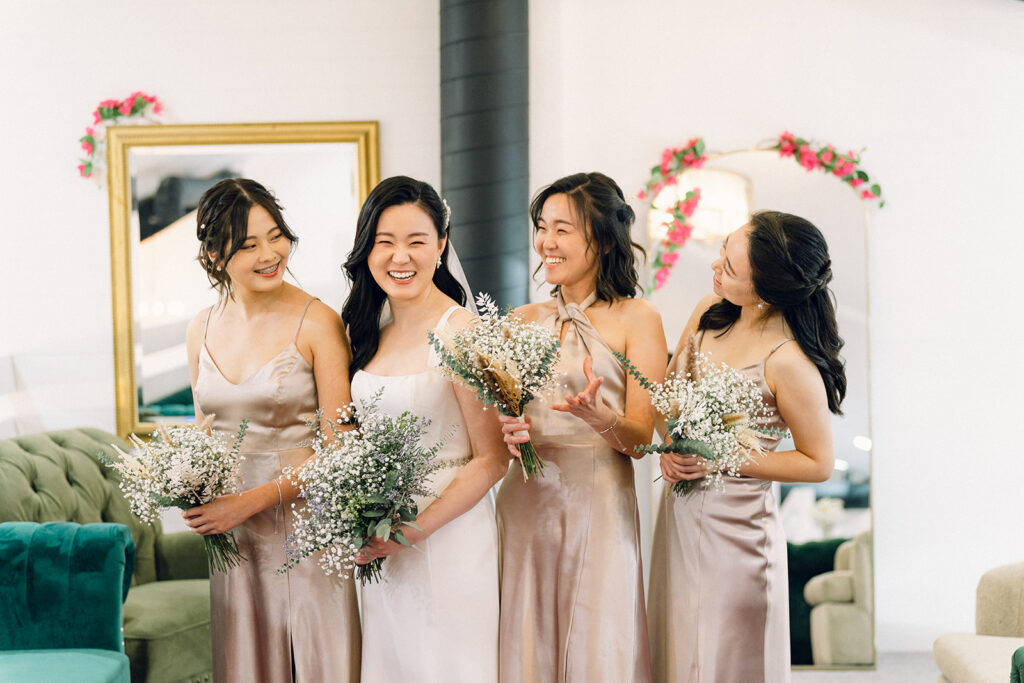
- That first hour = time with your bridesmaids (champagne toast, getting-ready photos, just being together)
- Next hour = first look and couples portraits
- Last hour = buffer and breathing room
Without bridesmaids (just the couple):
- Ceremony minus 2 hours = all hair & makeup done (this is your absolute latest deadline)
- First hour = first look and portraits
- Second hour = buffer time
Mothers can finish a bit later — they just need to be ready about an hour before the ceremony.
The Most Common Mistake
Budgeting 1–2 hours for hair and makeup when you actually need 5.5–7. When this block runs over, it pushes everything — first look, portraits, ceremony — into a domino effect that eats your whole day.
Tip: The bride should go last. Bridesmaids and mothers start first so the bride’s look is the freshest for photos. Coordinate the order with your hair and makeup artist ahead of time.
2. Details & Getting Ready — Your Photographer Arrives Before You Think
Most couples are surprised when I tell them I’ll arrive while hair and makeup is still happening. But there’s a good reason.
I typically show up about 20 minutes before hair and makeup wraps up. While the final touches are being done, I’m quietly working on two things:
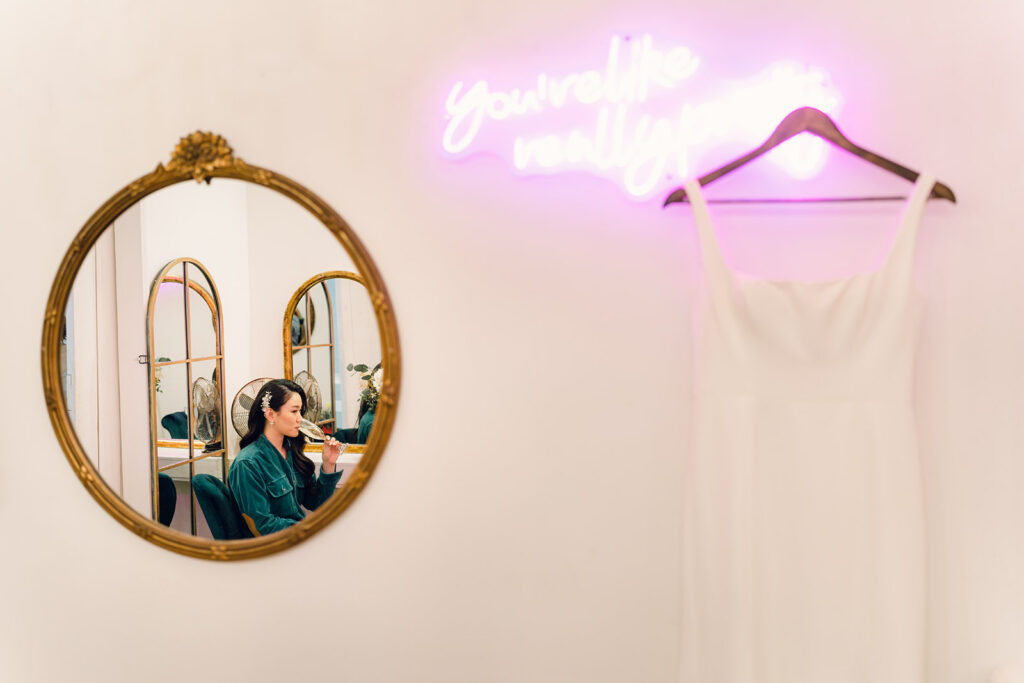
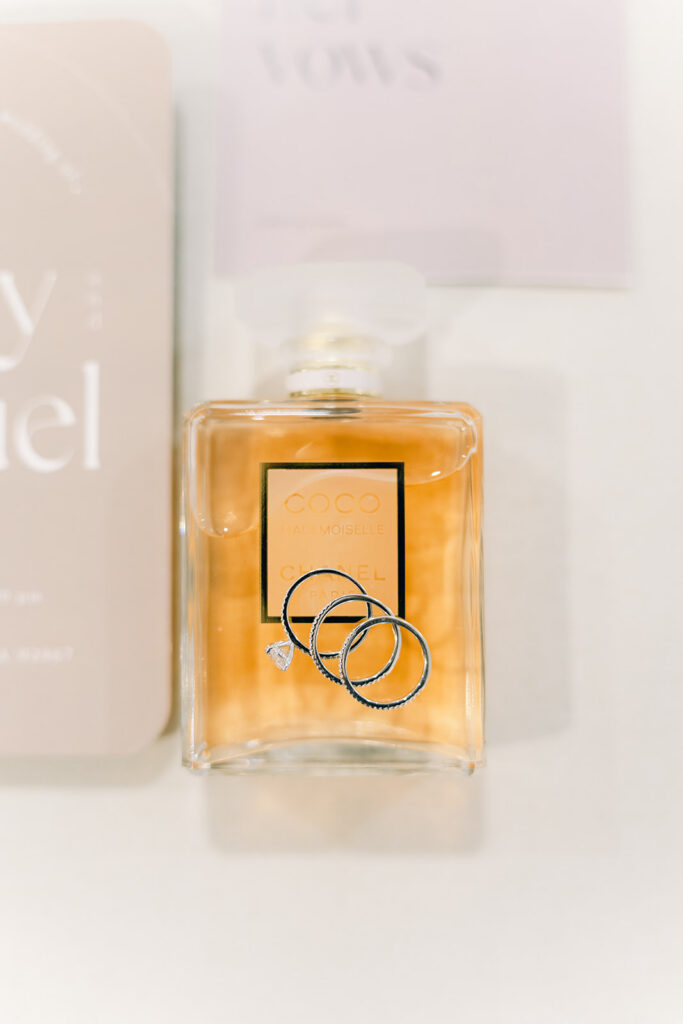
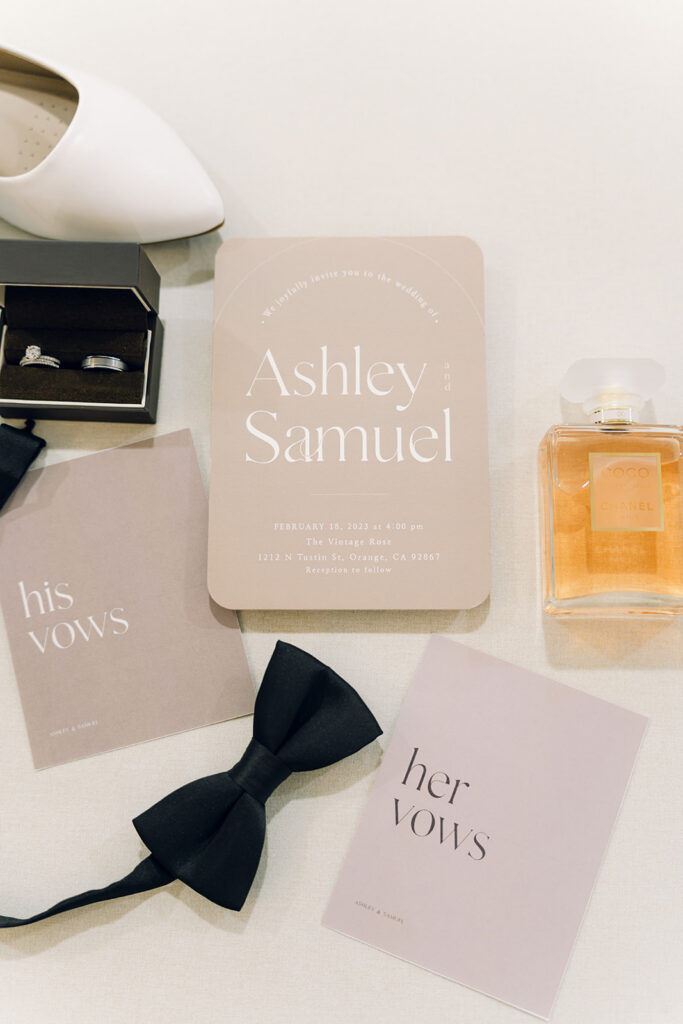
Detail shots — your rings, shoes, invitation suite, jewelry, perfume, the dress hanging in the window. These take about 20 minutes and they become some of the most beautiful images from your day. They tell the story of your wedding, not just any wedding.
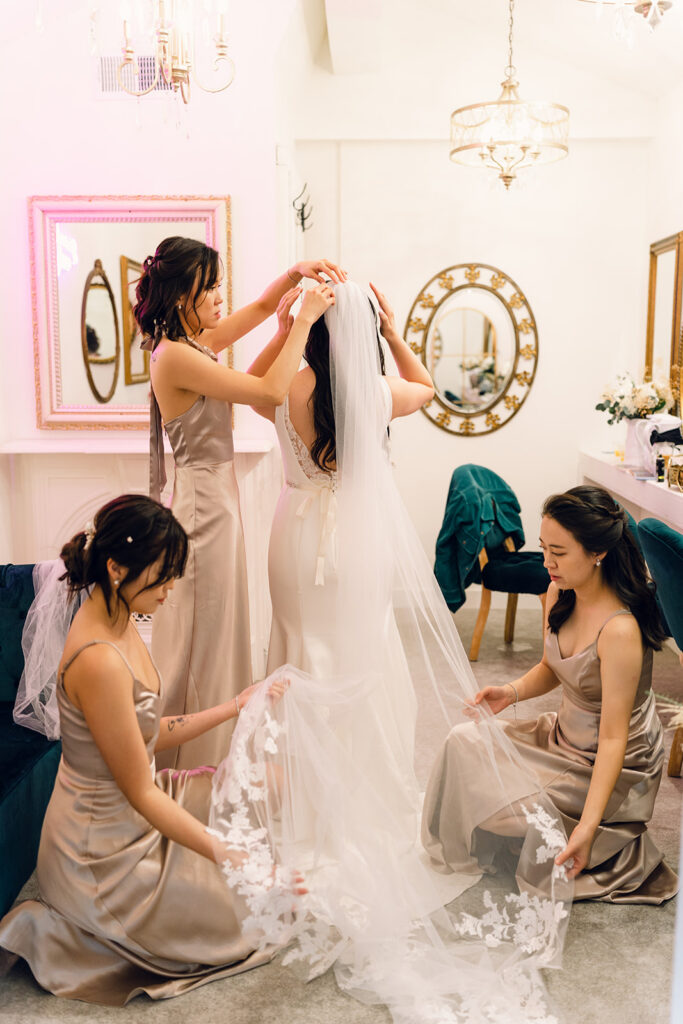
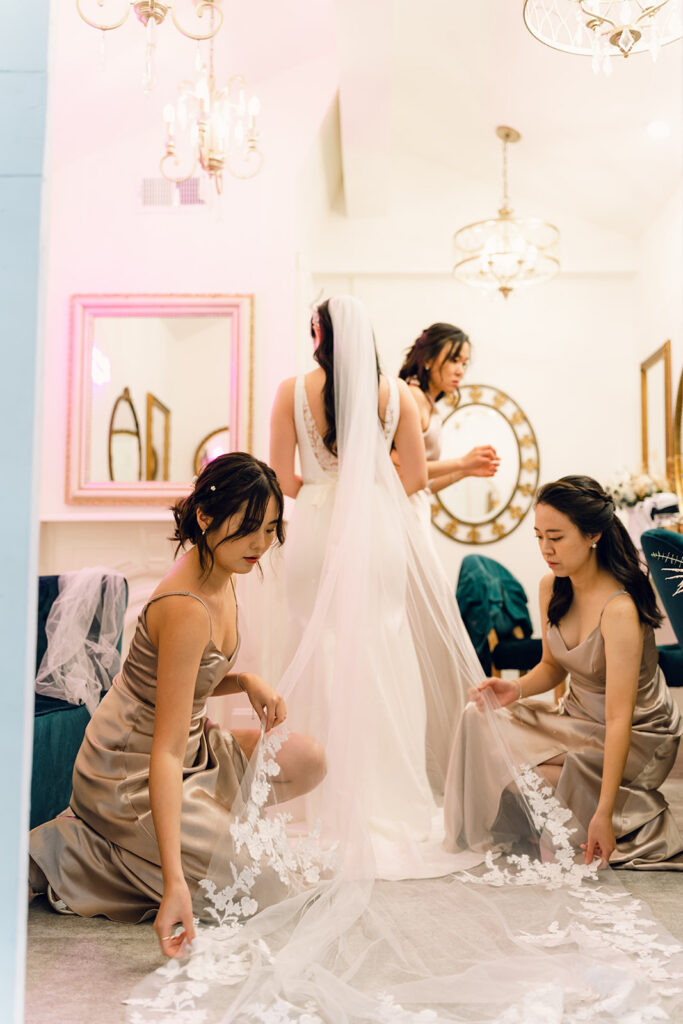
Getting ready photos — the moment you step into your dress, the look on your best friend’s face when they see you, buttoning up the back, the nervous laugh in the mirror. These are candid, real moments that you’ll never be able to recreate.
This whole phase doesn’t cost you any extra time. It happens during the hair and makeup window. But it does require one thing from you:
Tip: Put all your detail items — rings, invitation, jewelry, shoes, perfume, anything you want photographed — in one bag or one spot the night before. If you have a planner, they’ll handle this. If not, this one small step saves 15 minutes of scrambling on the morning of.
And if you can, get ready in a room with natural light. A window makes the difference between nice photos and stunning photos.
3. First Look — The Real Reason It Matters
You’ve probably heard of a first look. You might even know the old superstition — that it’s “bad luck” for the groom to see the bride before the ceremony. Plenty of people still honor that tradition, and that’s completely fine. Without a planner nudging you toward it, many couples skip it.
But here’s why I recommend a first look to almost every couple, and it has nothing to do with superstition.
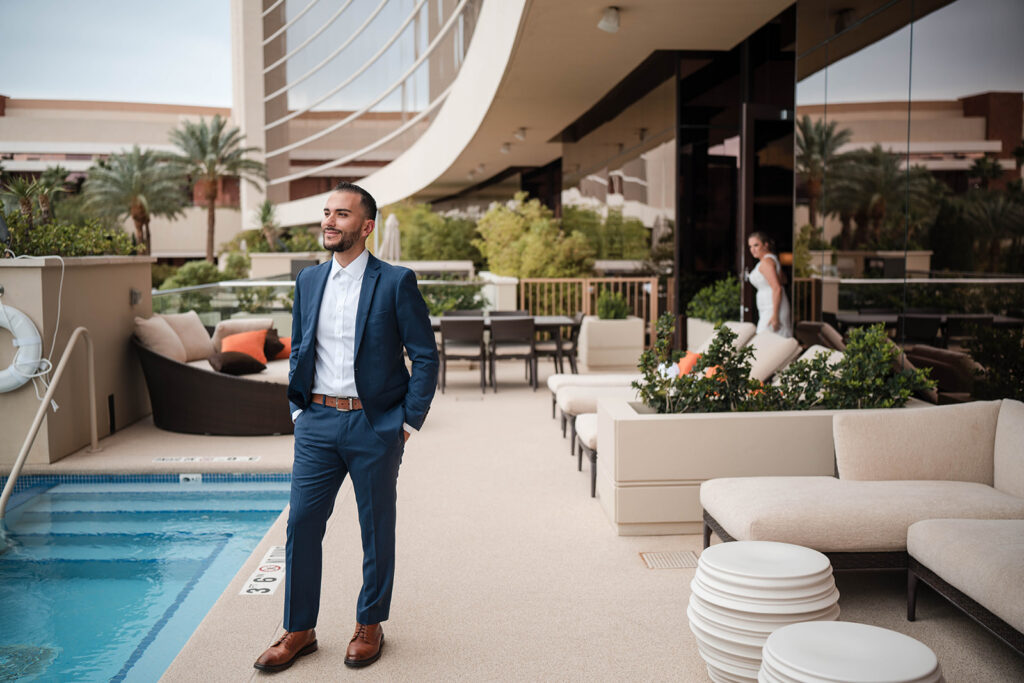
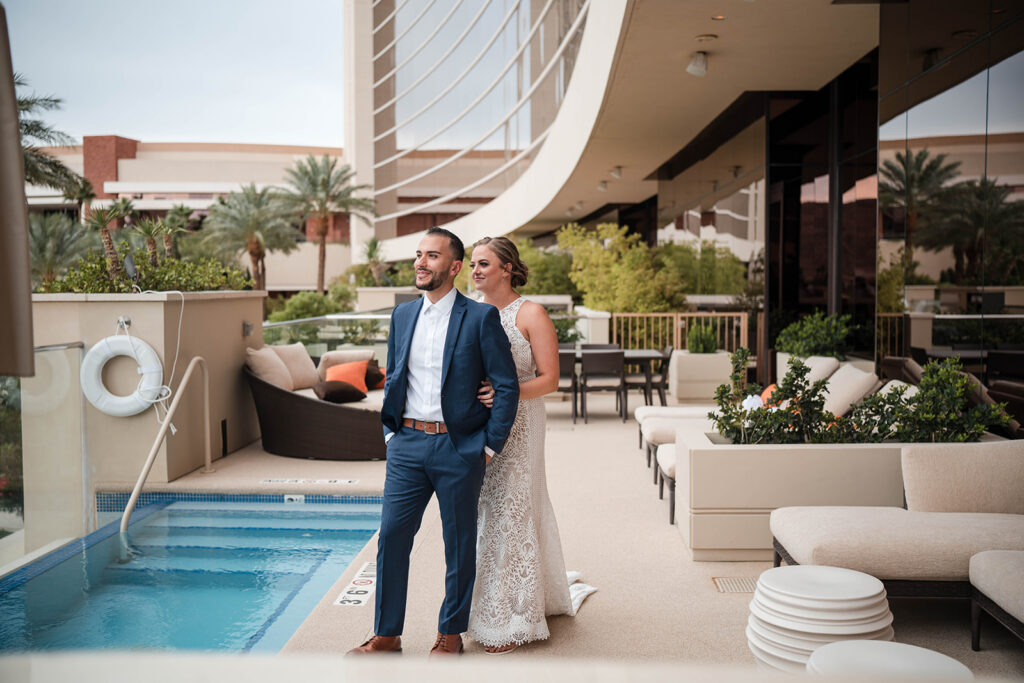
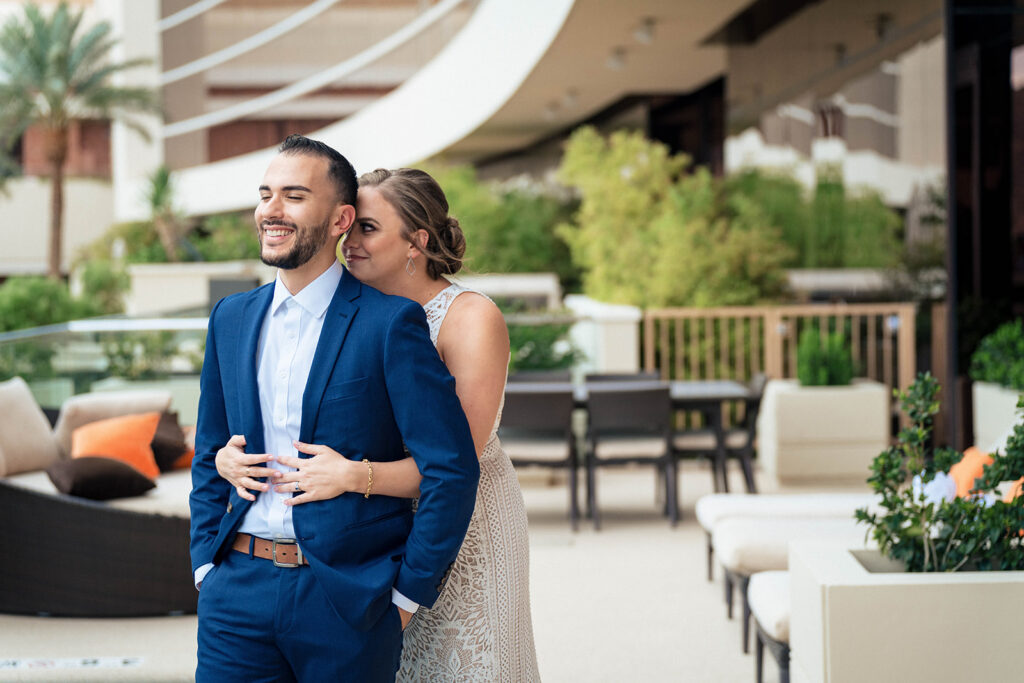
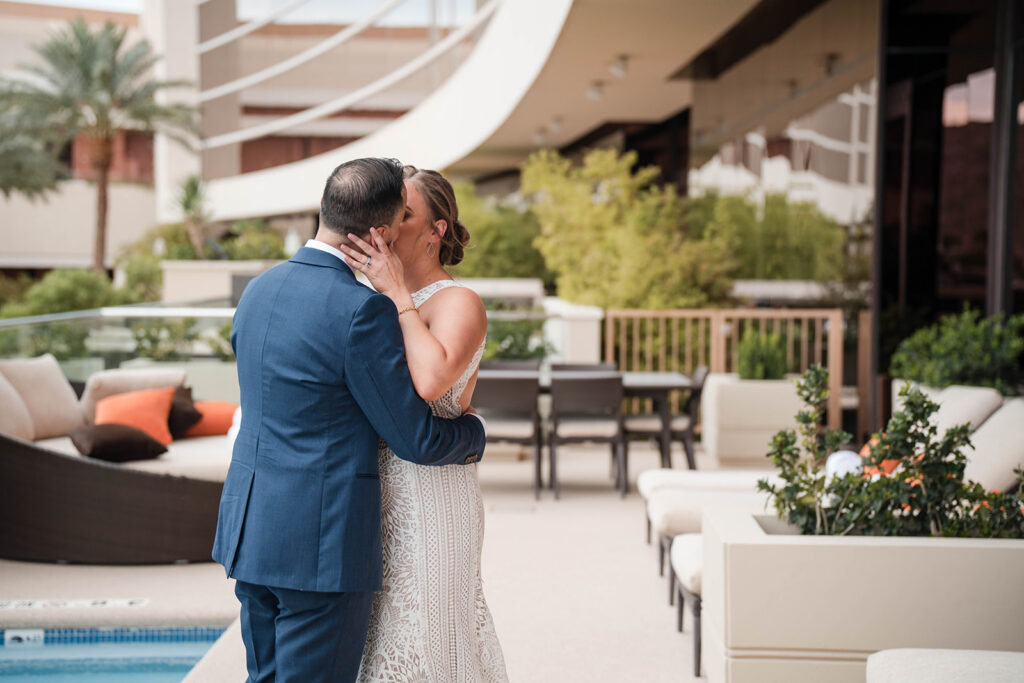
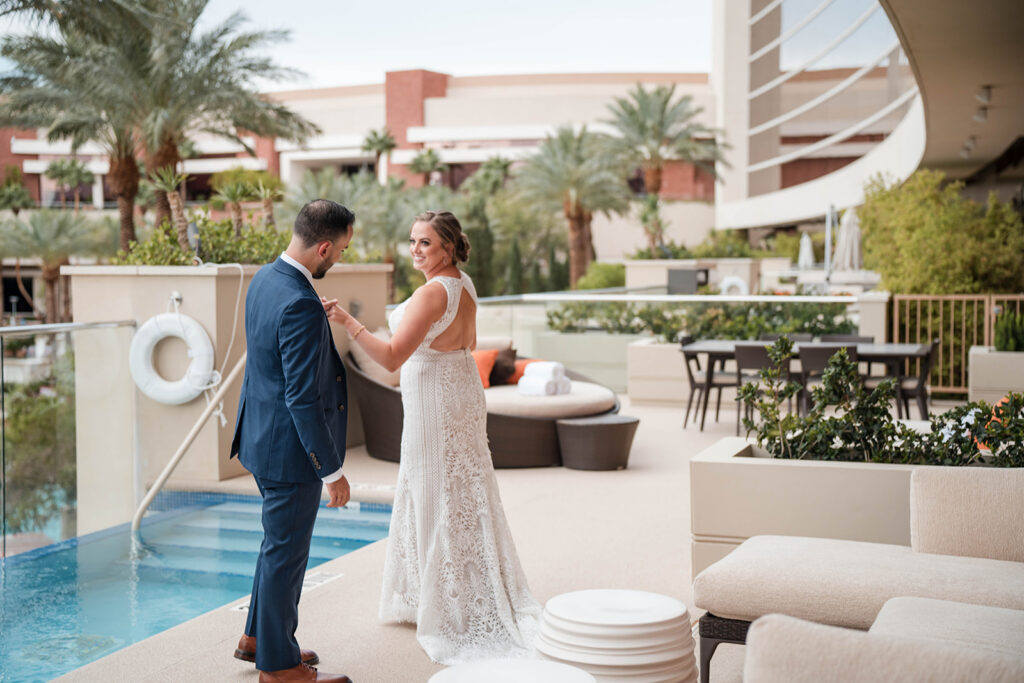
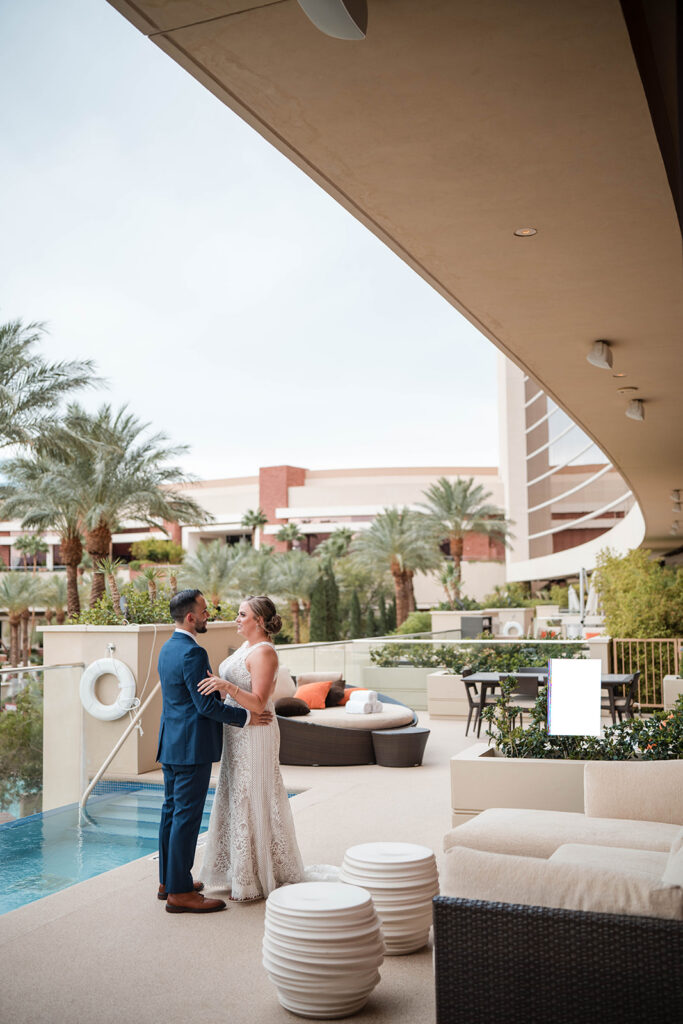
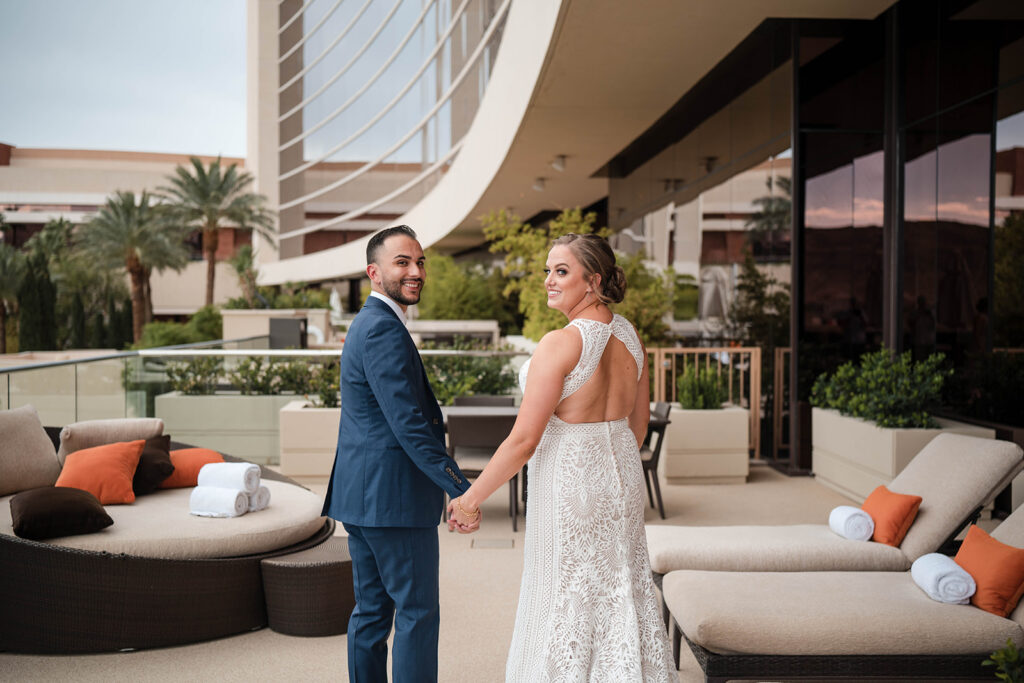
A first look is the only truly private moment of your entire wedding day.
No bridesmaids. No groomsmen. No parents. No guests. Just the two of you.
During the ceremony, you’ll be standing in front of everyone you know. You’ll exchange vows, maybe tear up, and it’ll be beautiful — but it’s a performance, in the best sense of the word. A first look is the opposite. It’s the moment where you can say things you’d never say in front of 150 people. Where can you breathe? Where can you be nervous together?
I always tell my couples: this is the last moment you’ll have together as an unmarried couple. After the ceremony, you’re married. So take this time. Talk to each other. If you wrote personal letters, read them now. It doesn’t have to be dramatic — it just has to be yours.
A first look plus couples portraits typically takes about 45 minutes to an hour.
The Practical Bonus
Beyond the emotional value, a first look also gives you logistical breathing room. It means you can get most of your couples portraits done before the ceremony, which frees up cocktail hour for mingling with guests (or sneaking away for sunset photos — more on that later).
Tip: Consider writing letters to each other and exchanging them during the first look. It’s different from your ceremony vows — think of it as your private version. Some of the most emotional moments I’ve ever photographed happened during these quiet letter exchanges.
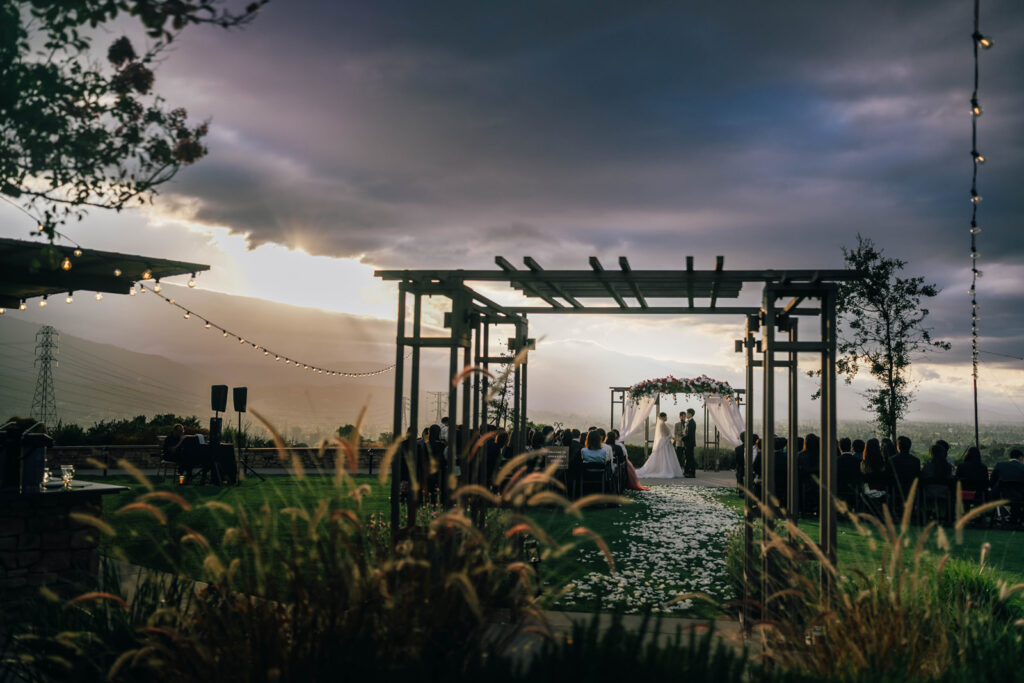
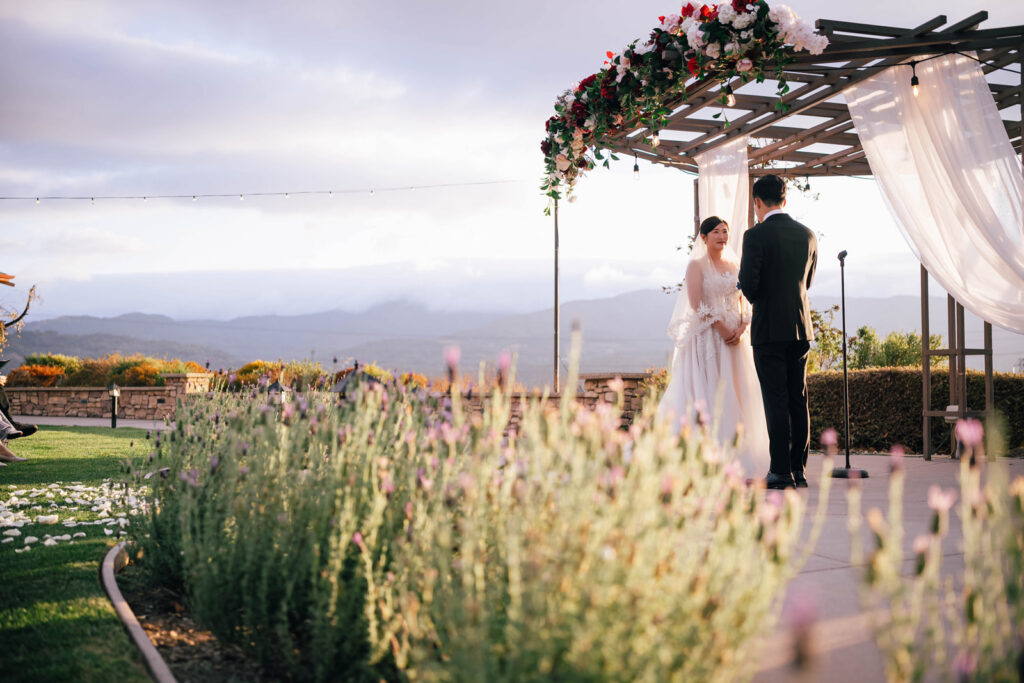
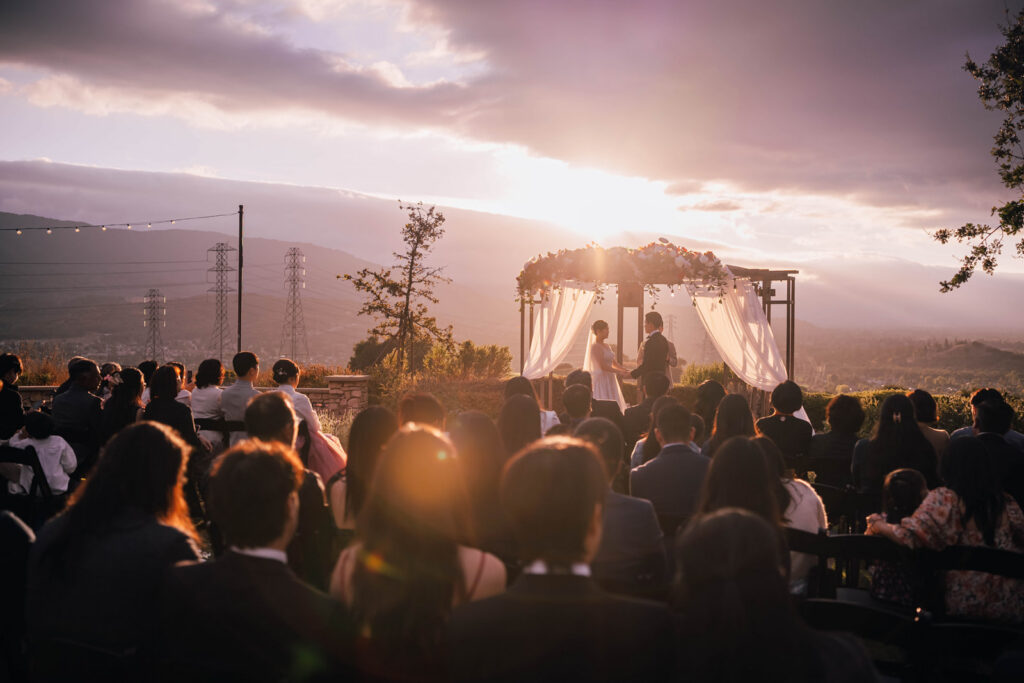
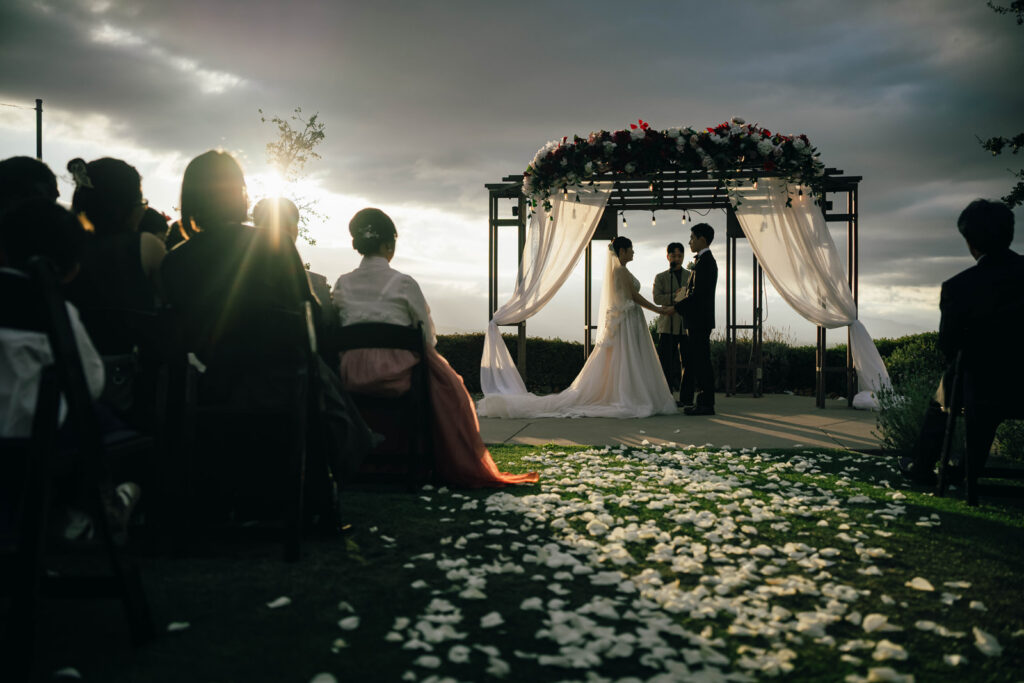
4. The Ceremony — Shorter Than You Think
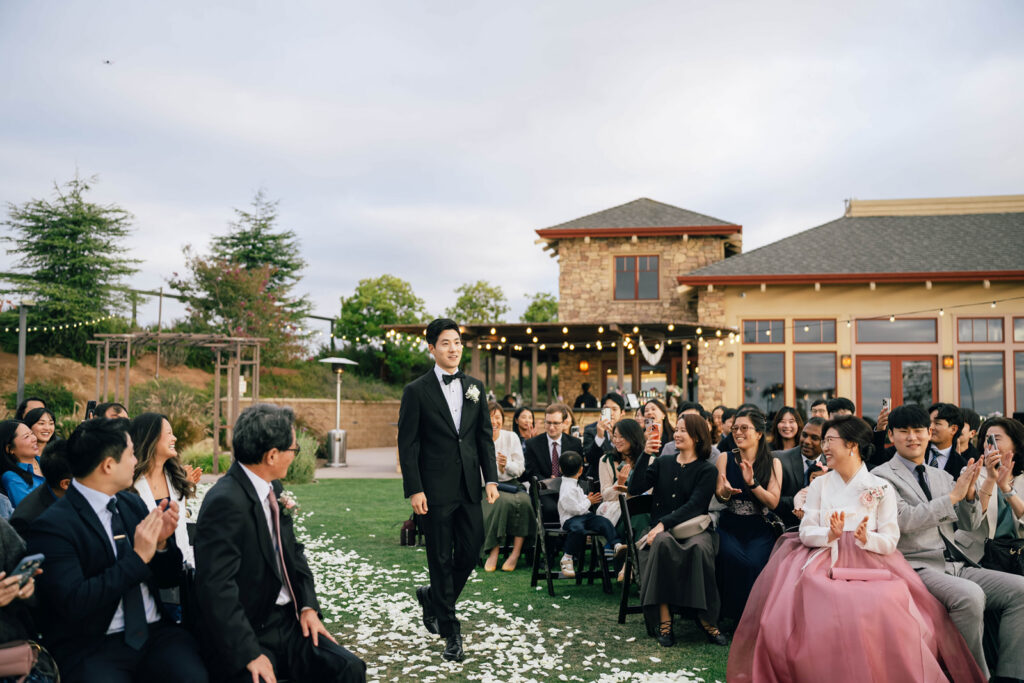
Here’s something that surprises most couples: the ceremony itself is usually only 15 to 20 minutes long. The shortest one I’ve ever photographed was 9 minutes.
Religious ceremonies can run up to an hour, but most non-denominational and civil ceremonies are done in under 20 minutes. So why does “the ceremony” take up such a big block on the timeline?
Because of everything around it.
The Processional Lineup
Before the ceremony starts, everyone needs to get into position. Bridesmaids, groomsmen, the flower girl, the ring bearer, parents — they all need to know their entrance order, their walking pace, and their music cue. This lineup alone takes 15 to 20 minutes.
Then after the ceremony, there’s the recessional (the walk back down the aisle), followed by a transition period while guests move to the next area.
All in, plan for 45 minutes to an hour for the ceremony block — even if the actual vows only take 15 minutes.
Consider Going Unplugged
One trend I’ve seen grow significantly — and that I genuinely love — is the unplugged ceremony.
Before the ceremony begins, the officiant asks guests to put their phones away and be fully present. The reason is twofold:
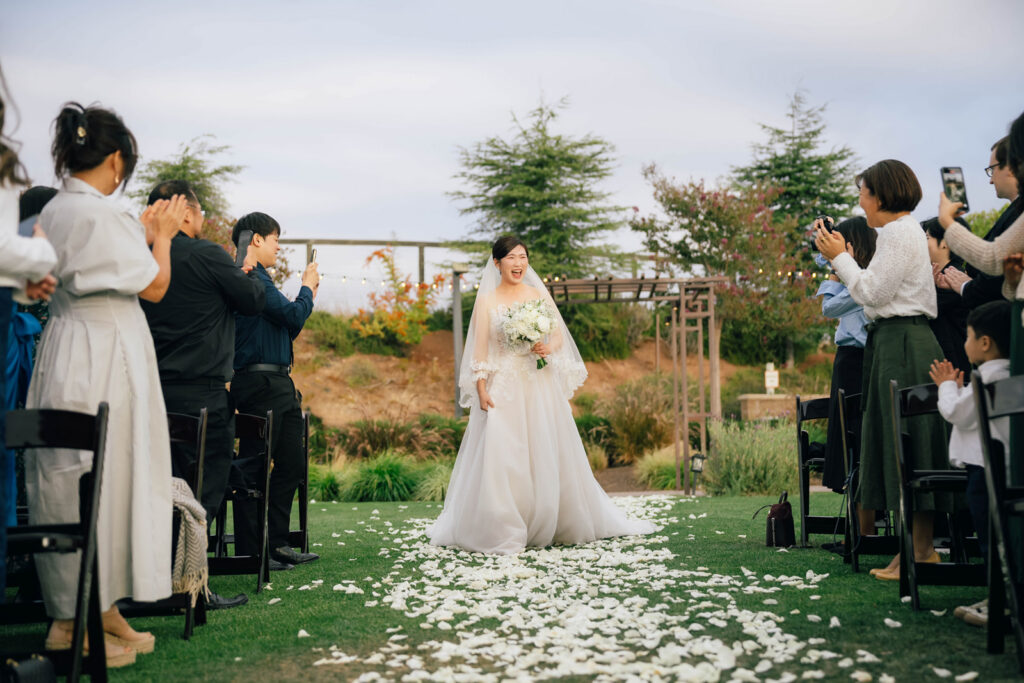
- Your guests actually watch. Instead of seeing the ceremony through their phone screens, they look at your faces. They cry. They laugh. They’re there.
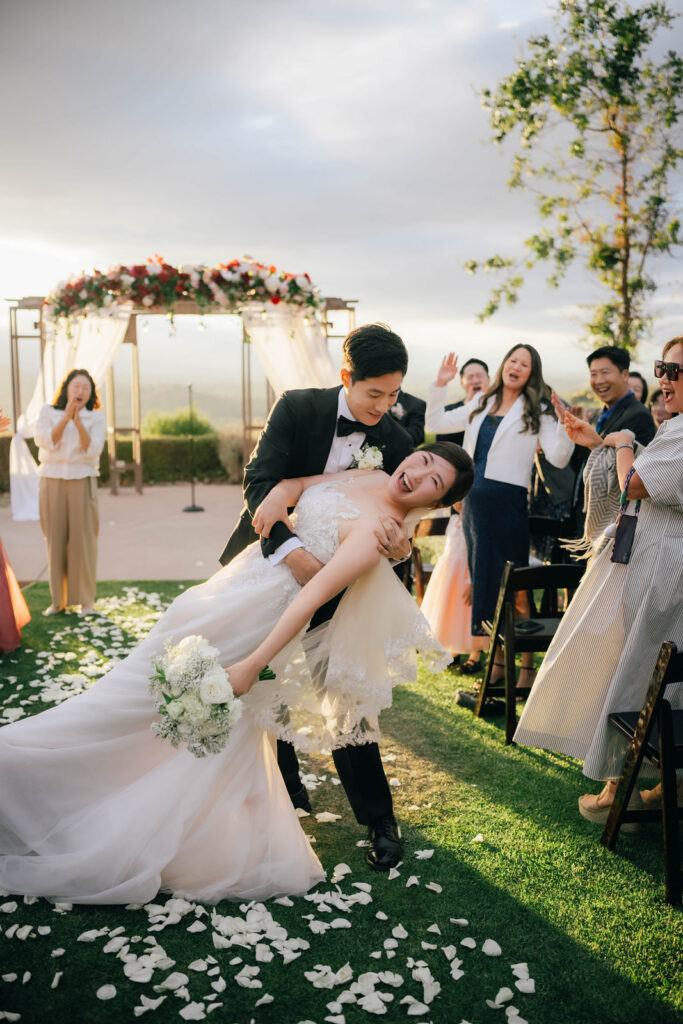
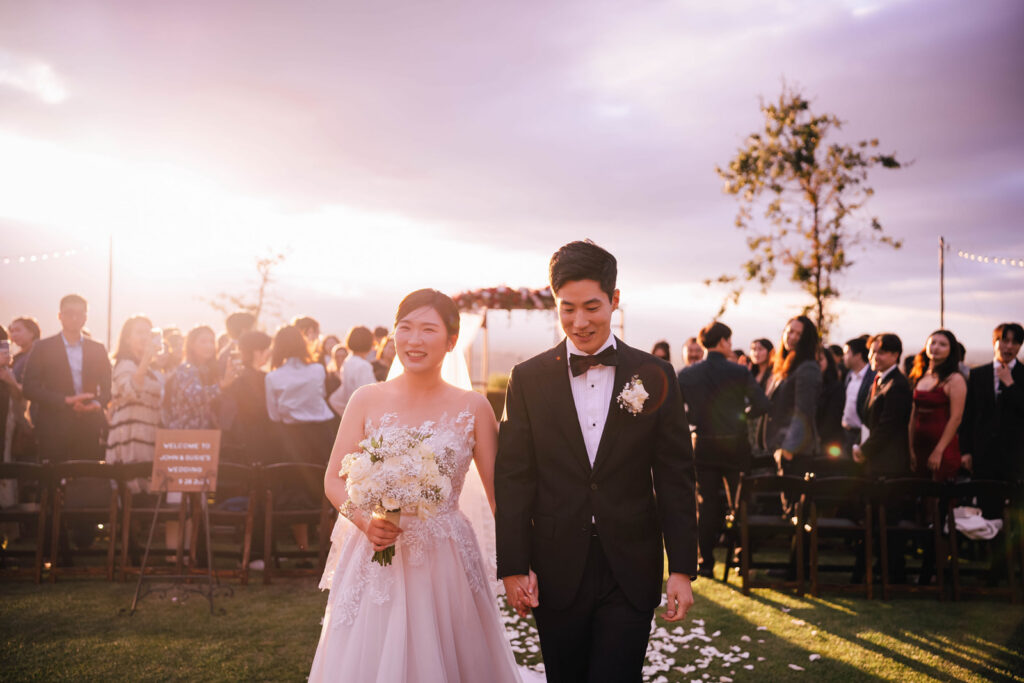
- The photos are dramatically better. Especially during the recessional — when you’re walking back as a married couple for the first time — the difference between a crowd of cheering, clapping faces and a wall of phone screens is enormous.
Tip: Talk to your officiant about content and timing beforehand. If you want an unplugged ceremony, ask them to make the announcement — it’s much more effective coming from them than from a sign.
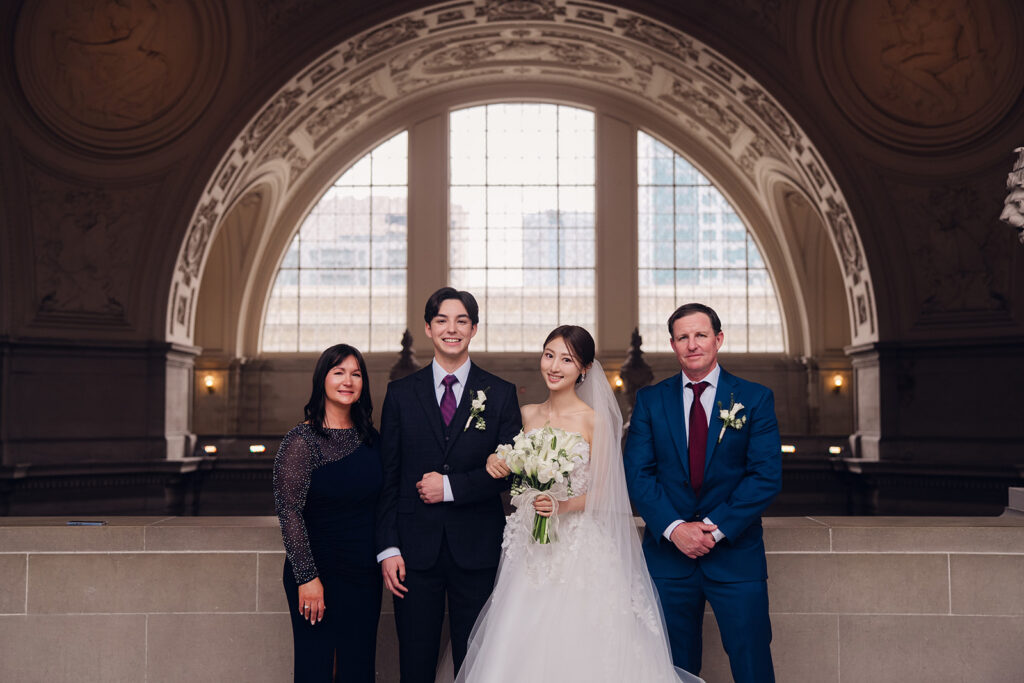
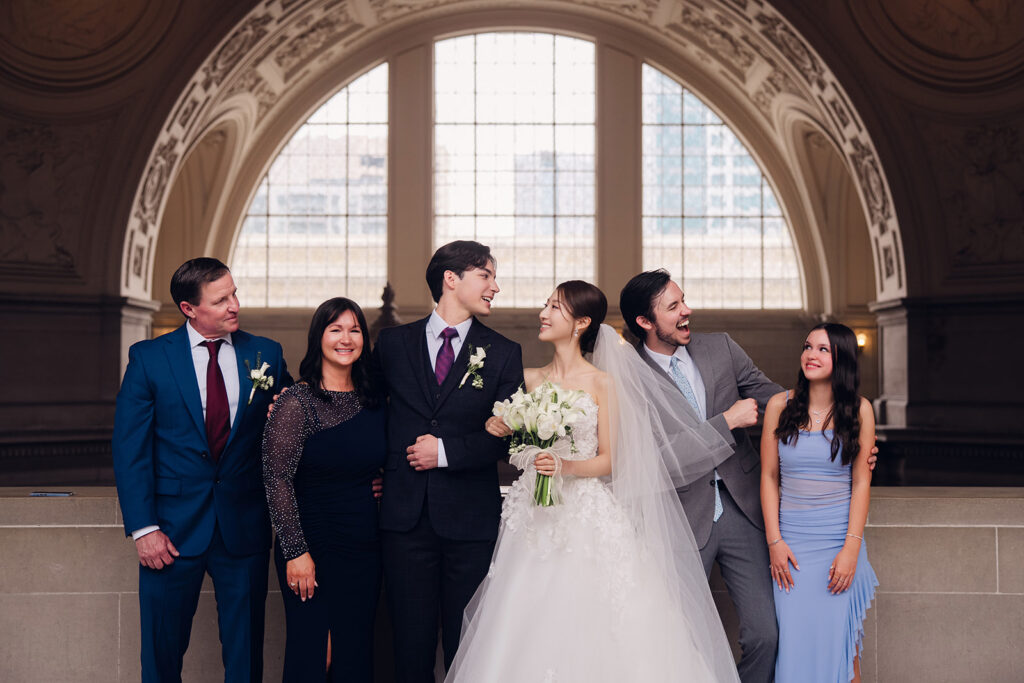
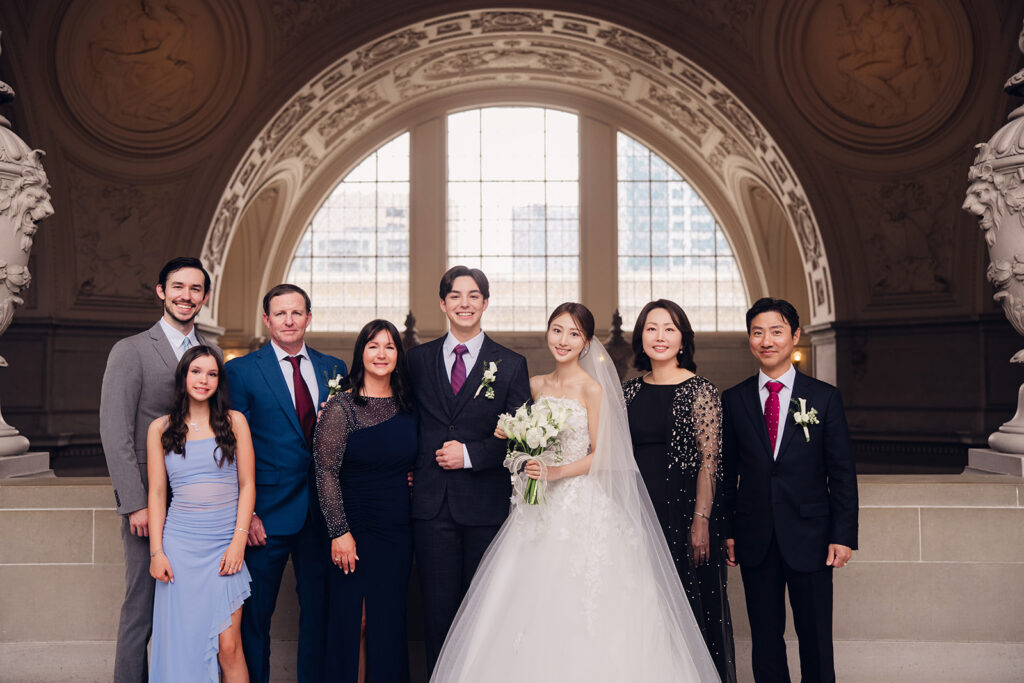
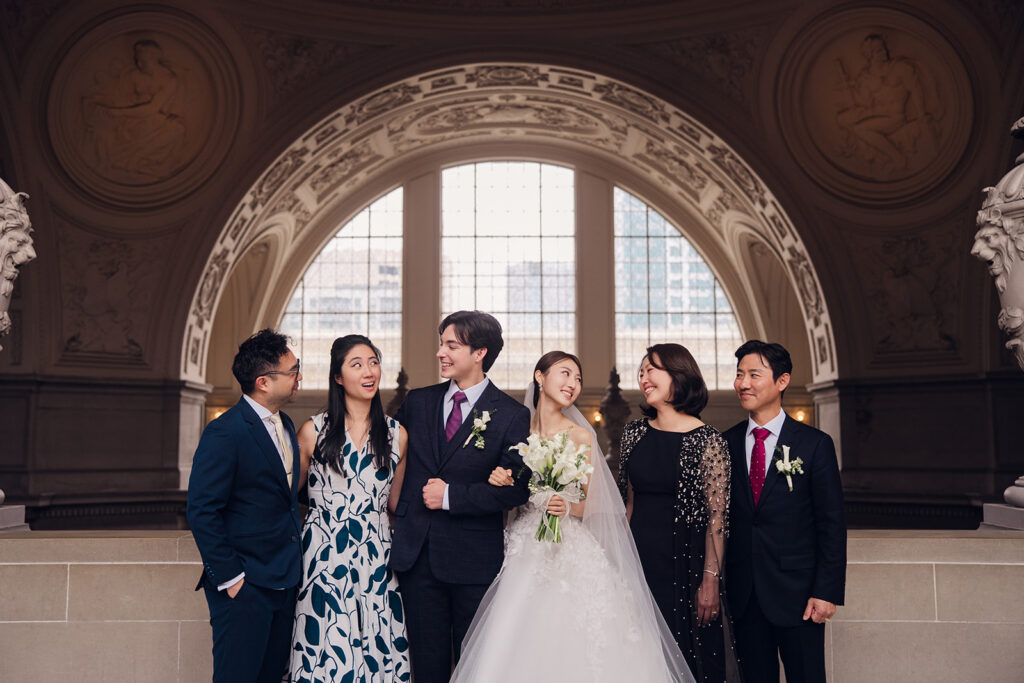
5. Family & Group Photos — The Name List Trick
Right after the ceremony, it’s time for family and group photos. And here’s the single most useful piece of advice I can give you for this part:
Make a list with actual names. Not roles — names.
Don’t write “bride’s parents + couple.” Write “Mom (Sarah), Dad (Michael), bride, groom.” Don’t write “groom’s extended family.” Write out every name.
Why? Three reasons:
- Nobody gets forgotten. “Family” is vague. Names are a checklist.
- It’s easy to add people on the fly. “Oh, Uncle Dave is here! Add him to group 4” — done. Try doing that with “groom’s family,” and you’ll lose 10 minutes sorting it out.
- It keeps the energy moving. I can call names, check them off, and move to the next group. Each combination takes about 3 minutes. Ten combinations = about 30 minutes.
A Reality Check on Group Size
Keep each group to about 30 people max. Larger than that, and you spend more time arranging people than photographing them. If you have a big family, break it into logical subgroups.
Plan for 30 to 45 minutes for family and group photos. When you’re managing your wedding timeline without a planner, this is one of the easiest sections to underestimate.
Tip: Send the name list to your photographer ahead of time. Also give your parents a heads-up that there will be a photo session right after the ceremony so they don’t wander off to cocktail hour.
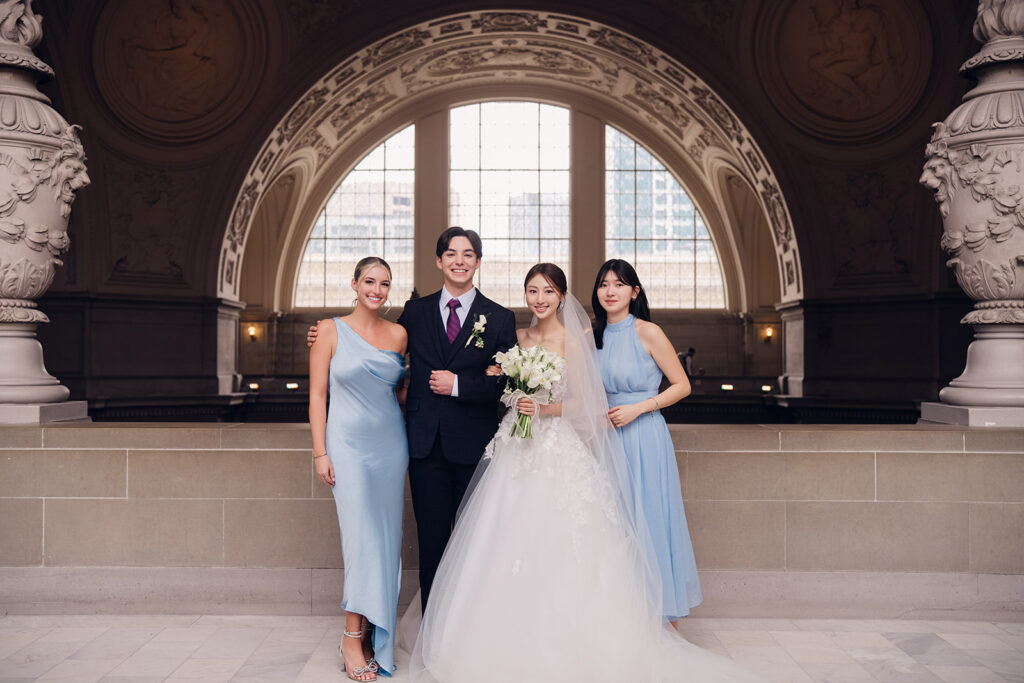
6. Cocktail Hour — The Secret MVP of Your Wedding Day
Cocktail hour might look like “the break between ceremony and dinner.” From the outside, it’s guests sipping drinks and eating appetizers for 45 minutes.
From a timeline perspective? It’s the most important hour of the entire day.
Here’s why.
It Gives Guests Somewhere to Go
During family photos, you need groups to cycle in and out. Once a group is done, where do they go? If there’s no cocktail hour, they just… stand around. The area gets crowded, it’s harder to organize the next group, and the background gets cluttered.
With cocktail hour happening nearby, I can say: “You’re all done — go grab a drink, enjoy the sunshine.” People flow out naturally. The photo area stays clean.
It Creates Your Best Photo Opportunity
Once family photos wrap, I take the couple to the best spot at the venue for portraits. This is usually timed right around golden hour — that warm, glowing light right before sunset — and it produces some of the most stunning images of the entire day.
And there’s something special about these photos specifically: you just got married. The nerves are gone. The vows are said. There’s a lightness and joy that’s completely different from the first look. It shows in every frame.
This is also the only time in the day when it’s just the two of you, away from everyone. A quiet moment to breathe and let it sink in.
It Protects the Reception Details
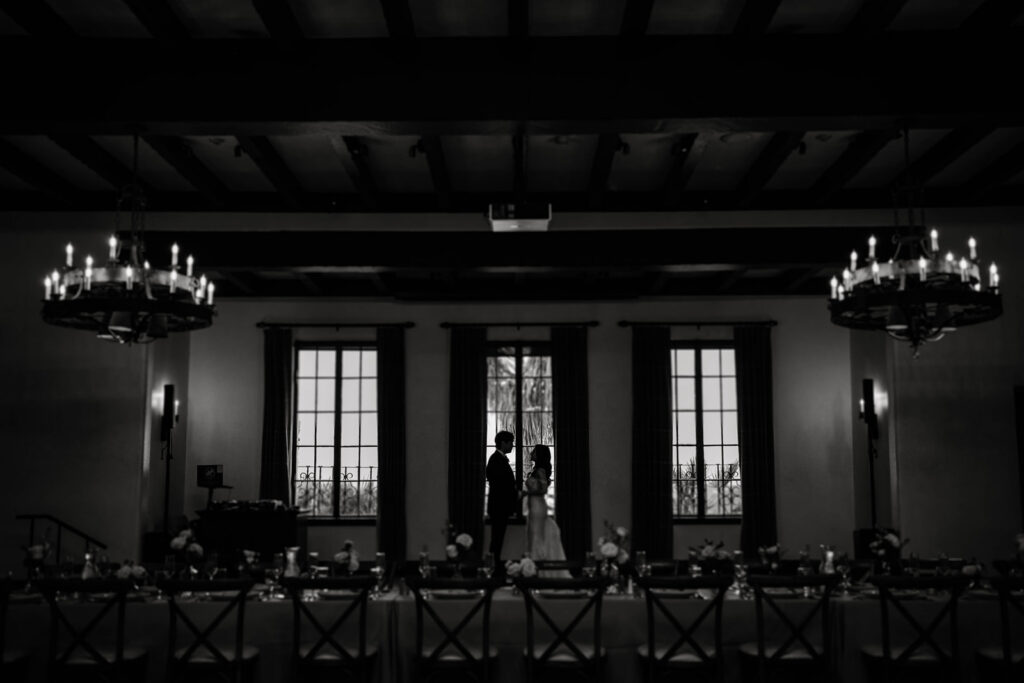
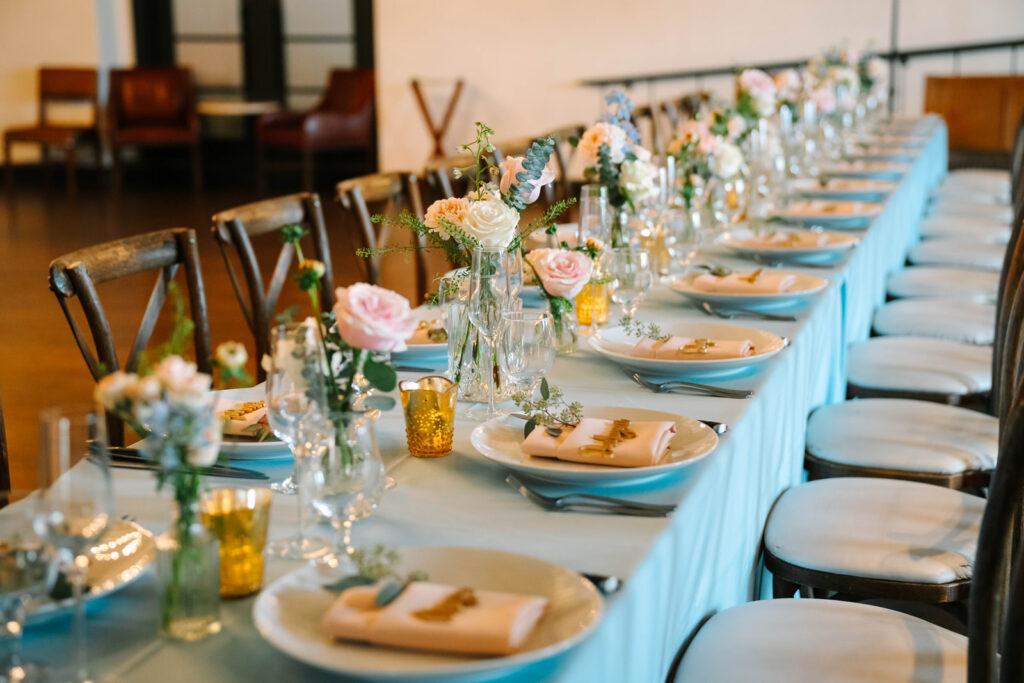
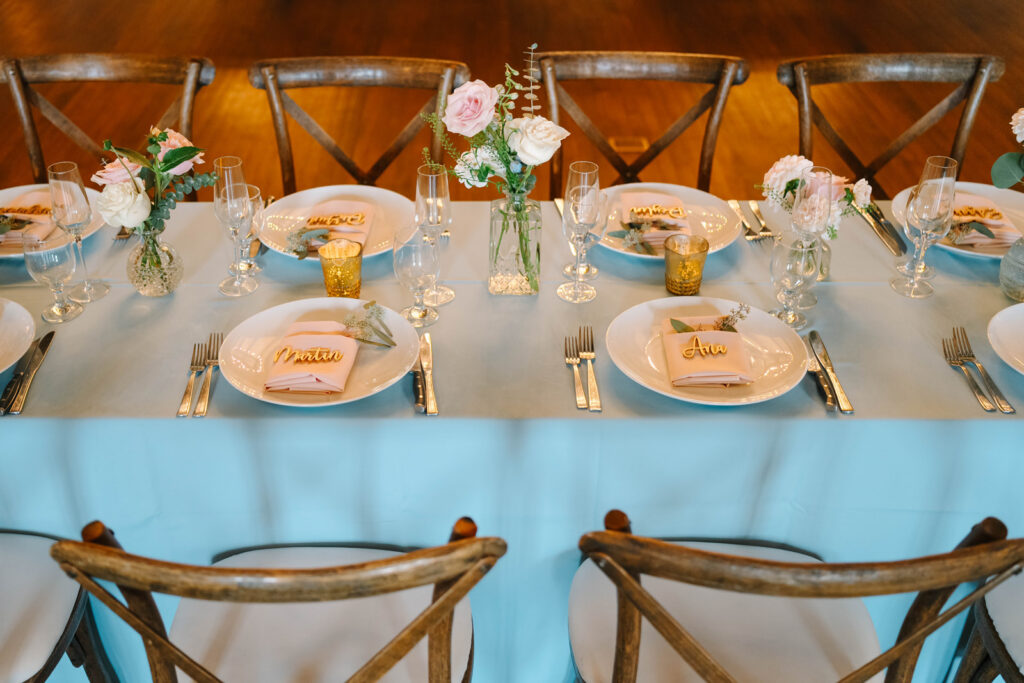
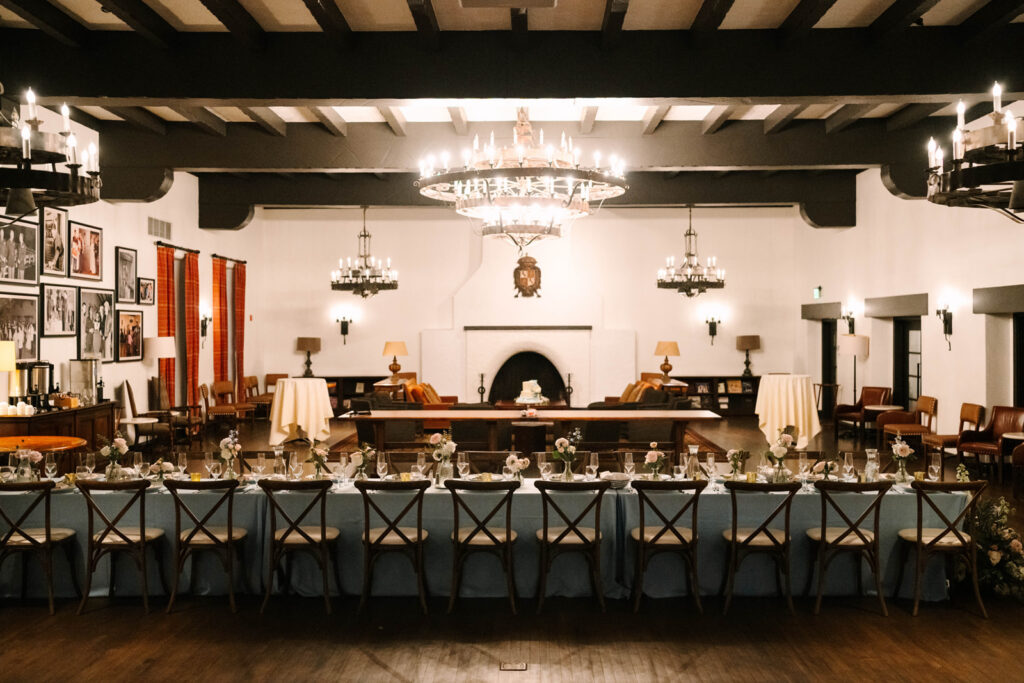
While guests are at cocktail hour, I slip into the reception space to photograph the table settings, centerpieces, candles, place cards — everything your florist and decorator spent hours perfecting. This is the only window where it all looks pristine, before guests sit down and move things around.
The Common Mistake
Cutting the cocktail hour to save time. When you remove it, you lose your portrait window, your reception detail shots, and your guests’ transition space — all at once.
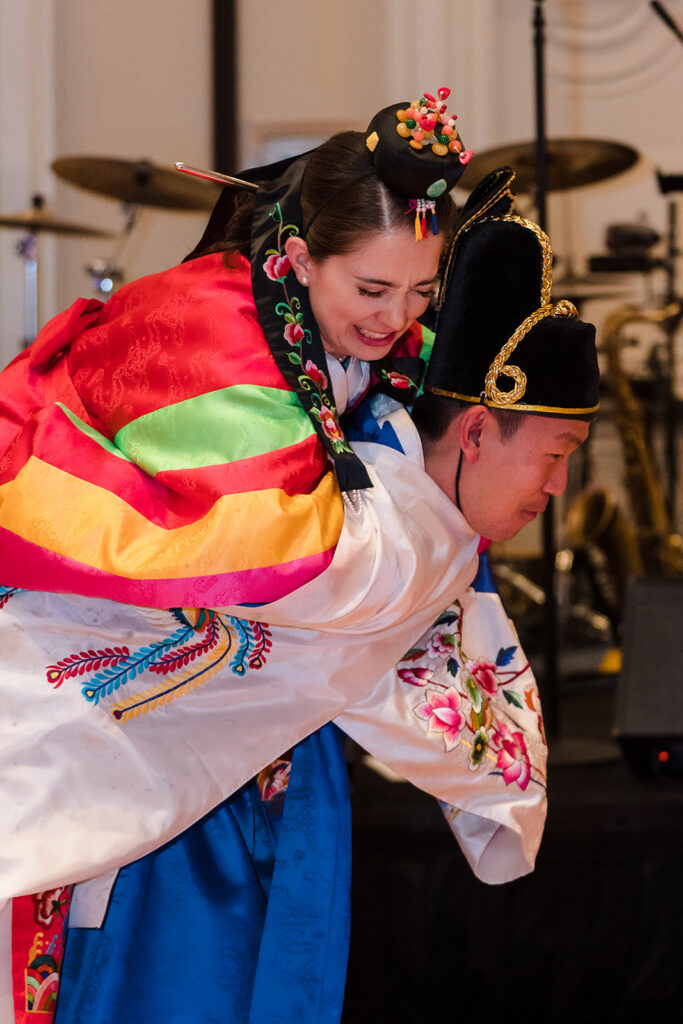
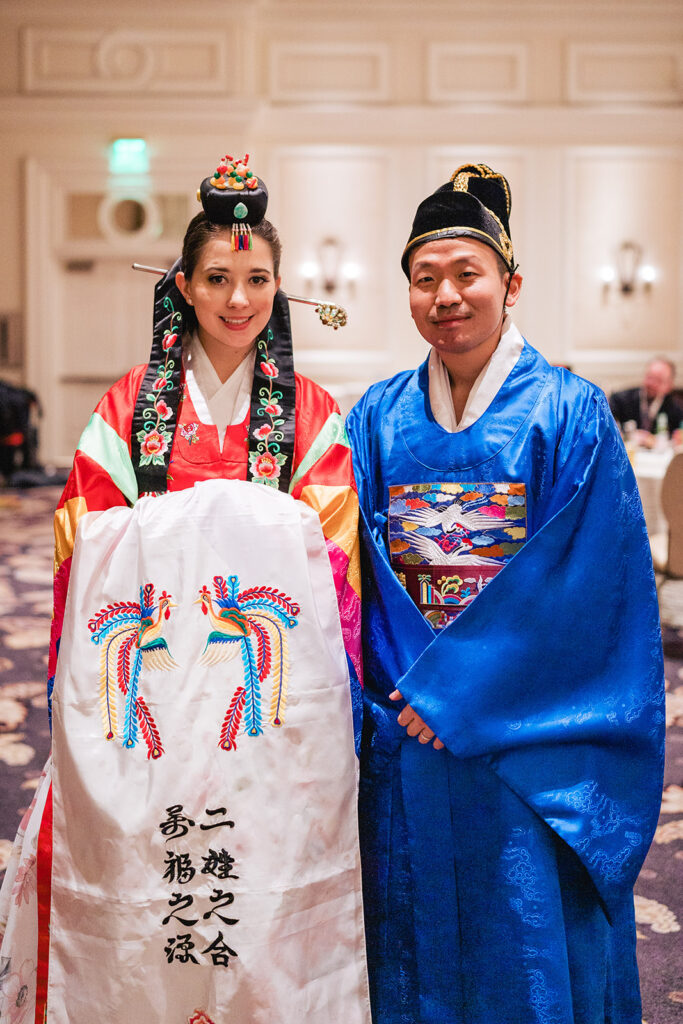
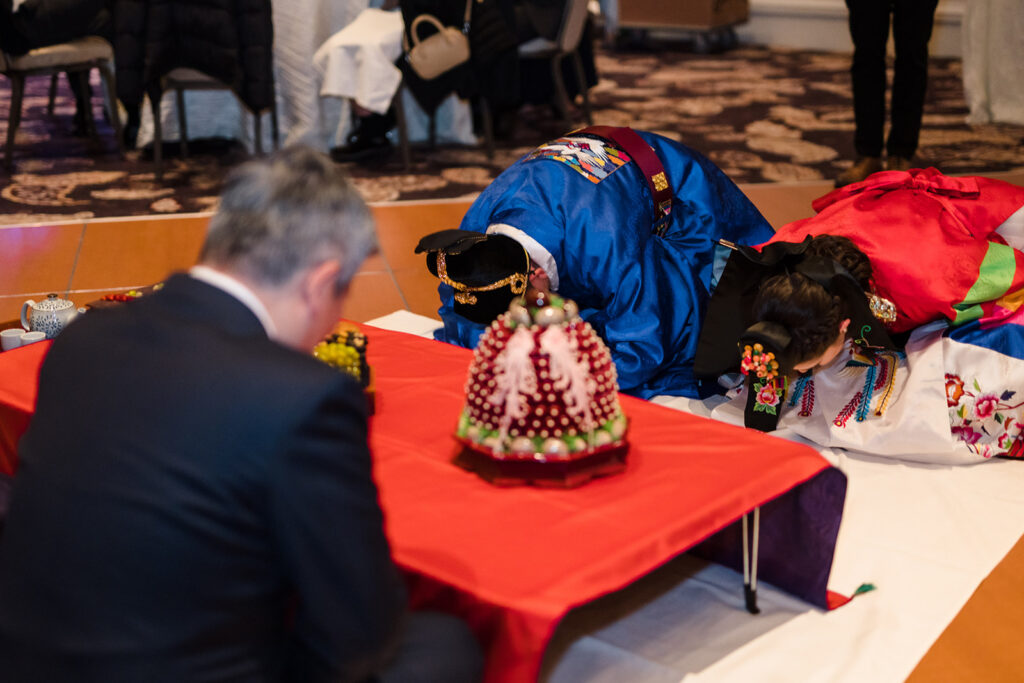
Tip: If you’re planning any cultural traditions (like a tea ceremony), cocktail hour is a great time to fit them in. Also, if cocktail hour is outdoors, let guests know in advance so they can dress accordingly.
7. The Reception — More Structure Than You’d Expect
The reception usually runs 4 to 5 hours, and it follows a fairly standard sequence:
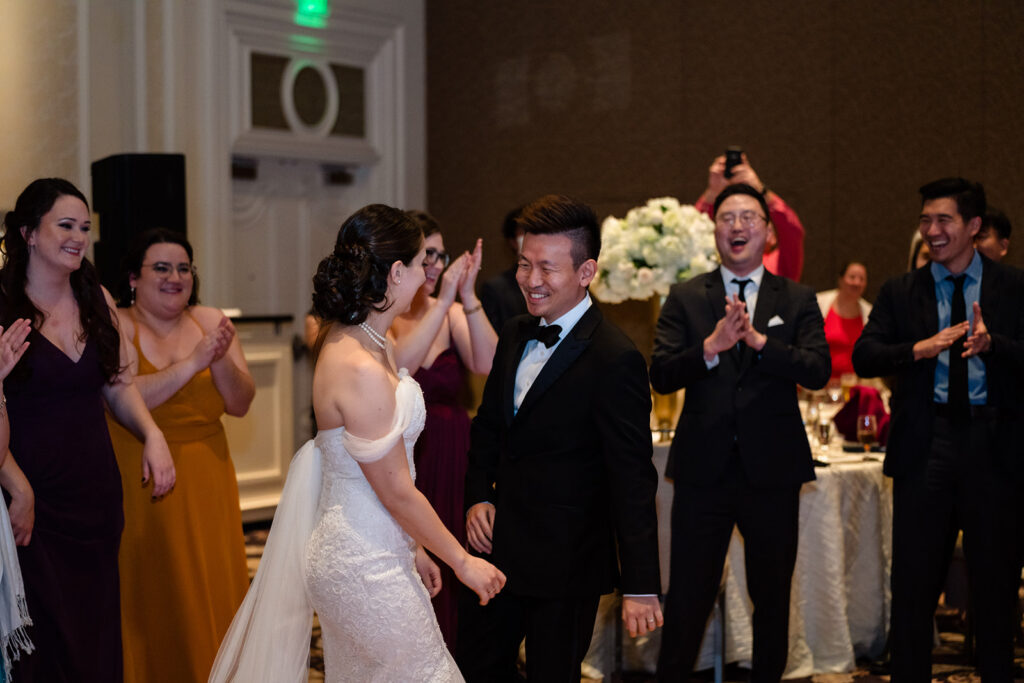
- Grand Entrance — The DJ introduces the wedding party and couple. This sets the energy for the entire evening.
- First Dance — The couple’s first dance, often followed by parent dances.
- Toasts — Best man, maid of honor, sometimes parents.
- Dinner — Usually a plated course meal (appetizer → salad → main).
- Table Visits — The couple makes rounds to greet each table.
- Cake Cutting — A quick ceremony, often with some playful moments.
- Bouquet Toss / Games — Optional, depends on the vibe.
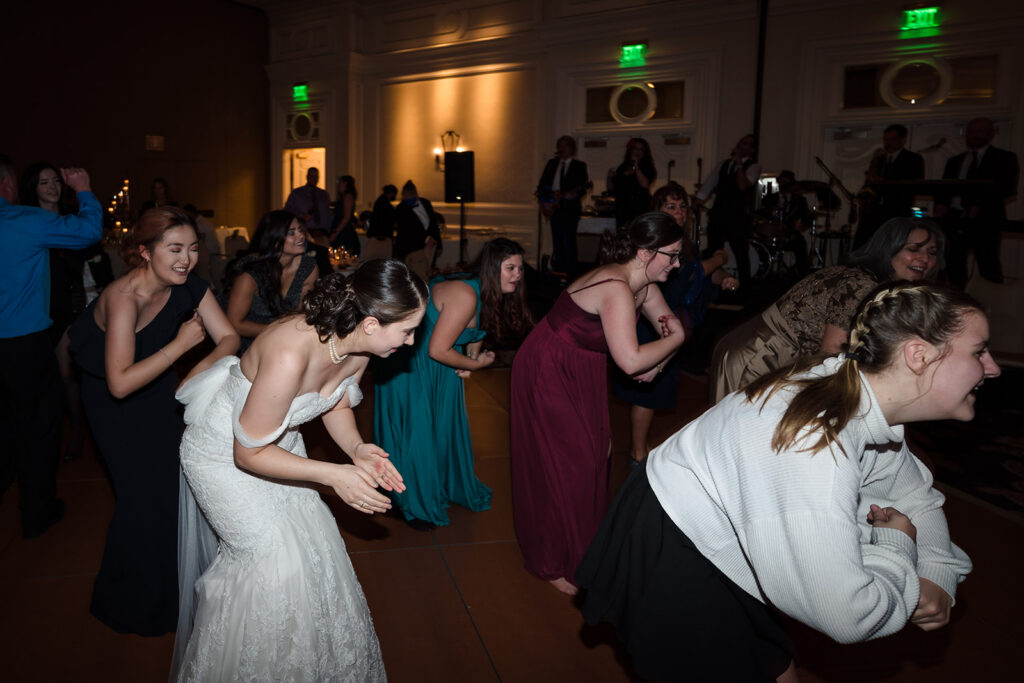
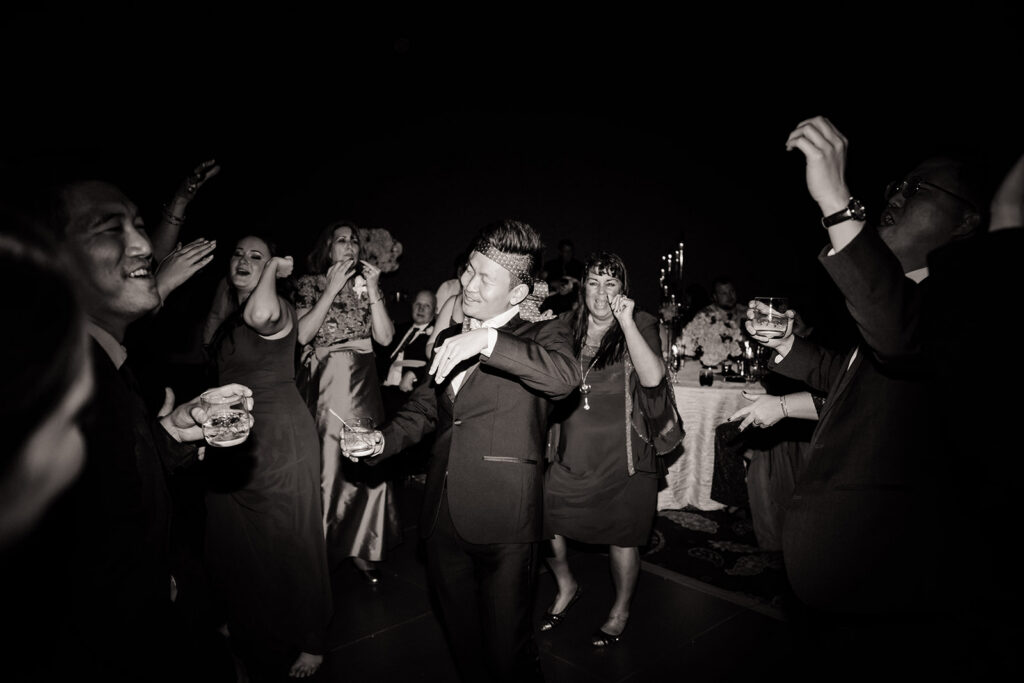
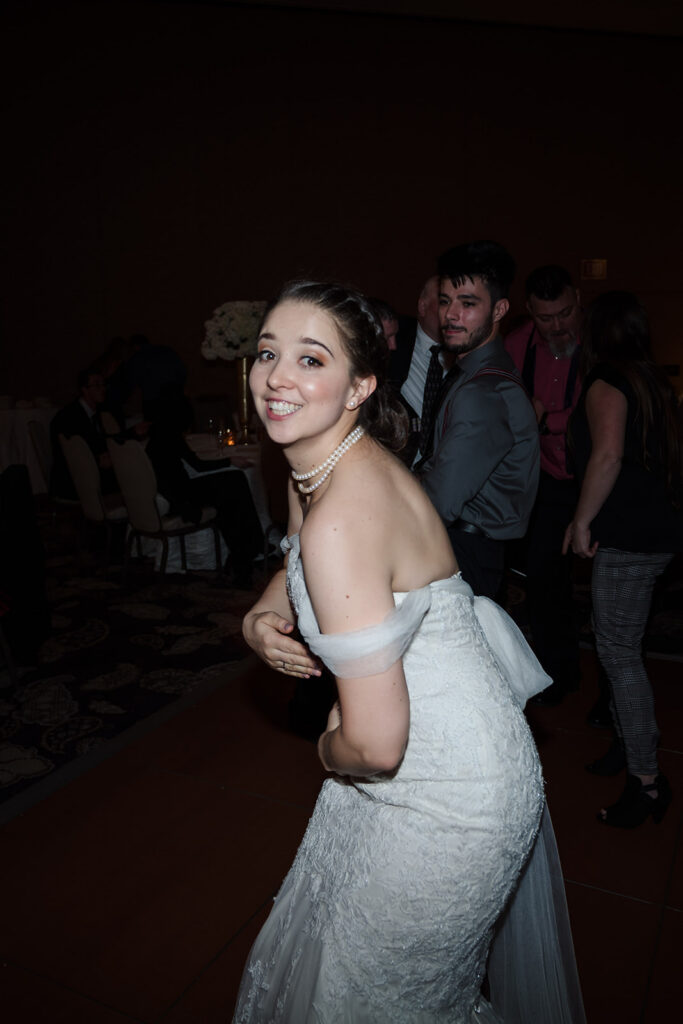
- Open Dancing — The rest of the night.
The Sunset Sneak-Away
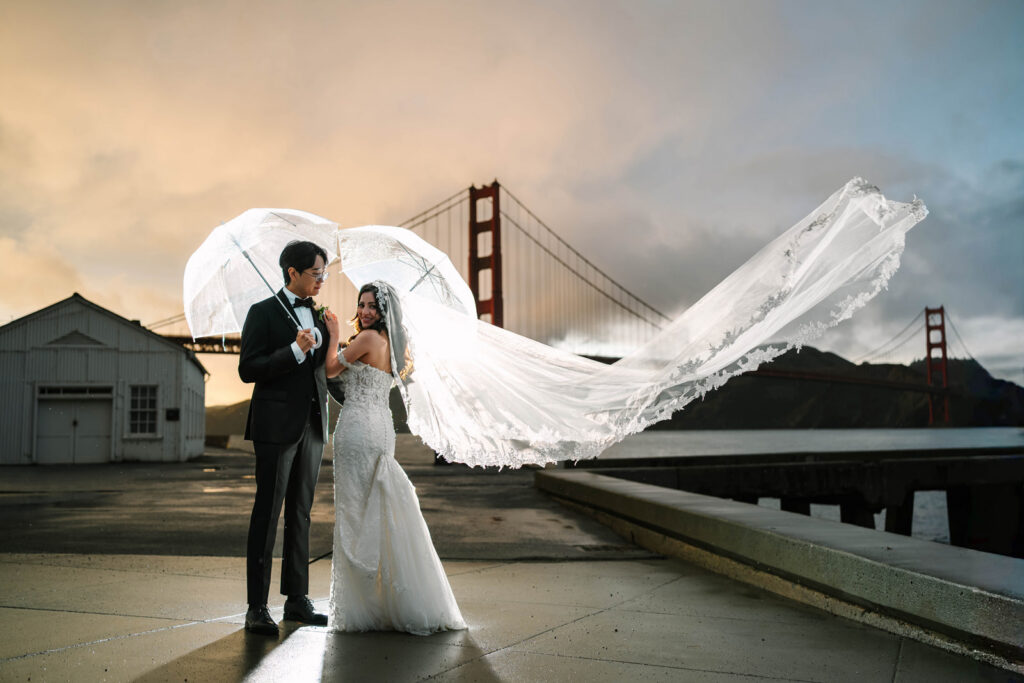
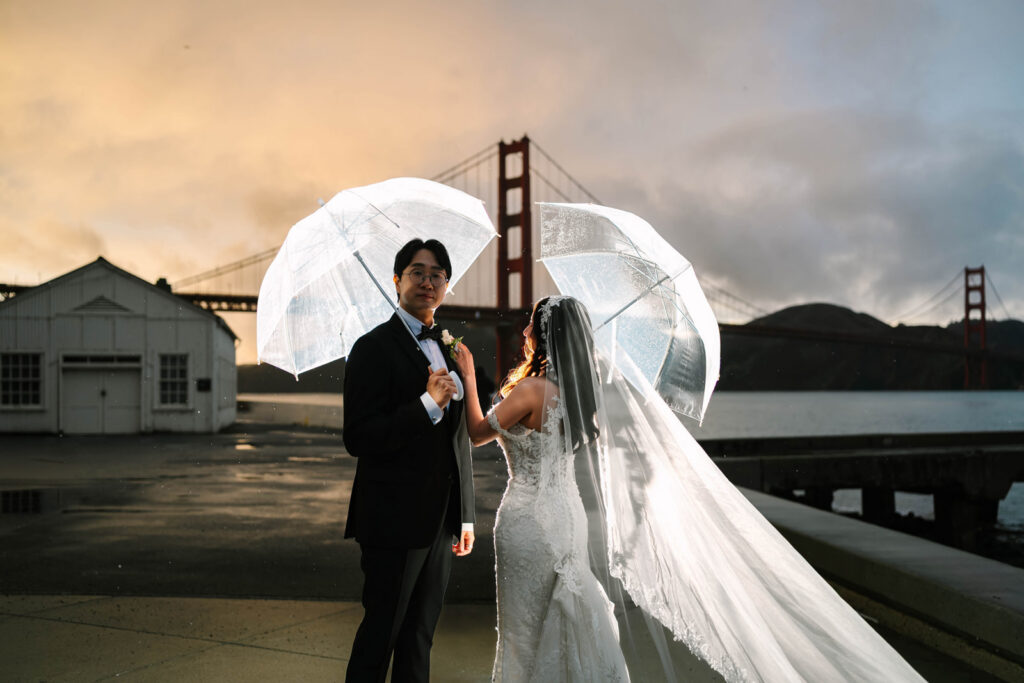
Somewhere during dinner or early dancing, there’s often a window for one more round of photos. If the sunset is happening during the reception, your photographer might pull you aside for 15–20 minutes to capture that light. These are often the hero images of the entire wedding — the ones that end up framed on your wall.
Talk to your photographer about this timing in advance so you’re not caught off guard mid-meal.
Tip: Coordinate the reception sequence with your DJ or MC ahead of time. Decide on music for each moment. The less you have to figure out on the spot, the more you can enjoy it.
8. On Hiring a Planner — Or Not
I want to be honest: I always recommend hiring a wedding planner. A good planner makes the entire day run more smoothly — for you, for your vendors, for your guests. If it’s in your budget, do it.
The 24-Hour Rule
If you do hire a planner, here’s how to tell if they’re a good one: send them a message and see how long it takes to get a response. If it’s within 24 hours, you’re in good hands.
Wedding planning is a constant stream of decisions — flowers, seating, music, food, rentals. If your planner takes days to respond, decisions pile up, stress builds, and things start slipping through the cracks. A responsive planner signals that they take your wedding seriously.
If a Planner Isn’t in the Budget
That’s okay. Plenty of beautiful weddings happen without one. But you’ll need a point person — usually the most organized, detail-oriented bridesmaid or friend you have.
That person needs three things:
- A timeline. Use this guide as a starting point and customize it for your day. Print copies. Share it with every vendor.
- A vendor contact list. Every vendor’s name, phone number, and role — in one document. If something goes sideways, your point person needs to make a call in 30 seconds, not dig through emails.
- A deep understanding of your vision. Not just the schedule — the feel. What matters most to you? What’s negotiable and what isn’t? When a decision needs to be made on the fly, this person should be able to make it the way you would.
Share Your Timeline With Your Photographer
Whether you have a planner or not, always share your timeline with your photographer.
Most wedding photographers create their own shooting timeline based on yours. When a planner is involved, the planner and photographer sync up to make sure everyone’s on the same page. Without a planner, that coordination falls on you — so send your photographer the timeline early. It helps them plan the best possible coverage for your day.
The Bottom Line
Communication is everything. Planner or not, the vendors who make your day great are the ones who respond quickly, listen carefully, and genuinely care about your vision. Choose people you trust. The rest follows.
Your Wedding Day at a Glance
Here’s a sample timeline based on a 3:15 PM ceremony (adjust based on your ceremony time and sunset):
| Time | What’s Happening | Duration |
|---|---|---|
| 7:00 AM | Hair & makeup begins | 5.5–7 hours |
| 12:00 PM | Photographer arrives, detail shots | 1 hour |
| 1:00 PM | Getting ready photos | 30 min |
| 1:30 PM | First look + couples portraits | 1 hour |
| 2:30 PM | Guests arrive, buffer time | 30 min |
| 3:00 PM | Processional lineup | 15 min |
| 3:15 PM | Ceremony | 15–20 min |
| 3:35 PM | Family & group photos | 30–45 min |
| 4:15 PM | Cocktail hour + couple portraits | 45 min |
| 5:30 PM | Reception begins (grand entrance) | |
| 5:45 PM | First dance + parent dances | 15 min |
| 6:00 PM | Toasts + dinner | 1 hour |
| 7:00 PM | Sunset portraits (sneak-away) | 20 min |
| 7:30 PM | Cake cutting + games | 30 min |
| 8:00 PM | Open dancing | 1+ hours |
| 9:00–10:00 PM | Send-off / end of night |
This is just a starting point. Every wedding is different — your venue, guest count, and priorities will shape the specifics. But the overall flow and the reasons behind each block? Those are universal.
Final Thought
A good timeline isn’t about running your wedding like a military operation. It’s about creating space — space to enjoy getting ready with your best friends, space for a private moment before you walk down the aisle, space to actually taste your dinner, space for that golden-hour portrait that ends up on your wall for the next 50 years.
When you understand why each piece of the day exists, you stop worrying about the clock and start enjoying the moments.
If you’re working on your timeline and want a second set of eyes — or if you just want to talk through what a realistic wedding day looks like — feel free to reach out. I’m always happy to help.
Eugene Kim is a wedding and engagement photographer based in Las Vegas, specializing in destination weddings across the Southwest US. For inquiries, visit eugenekim.photography or reach out at eugene@eugenekim.photography.

Share Post: